بسم الله الرحمن الرحيم

Author: Ayeshah Ali

  • The Qur’an Opened My Heart

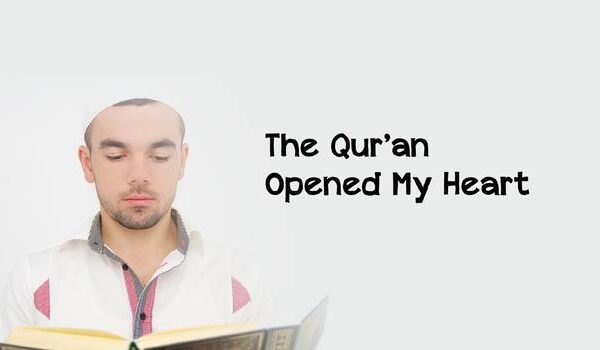
    The Qur’an Opened My Heart

    My name is Margarita Aguirre and I am from the city of Guadalajara in Jalisco, Mexico. I was born in the midst of a practicing Catholic family. I remember that while I was in high school, I had my first encounter with Islam without realizing it. On our school’s bulletin board, they displayed a “poem” that caught my attention. I remember jotting it down in my favorite poetry journal because I loved it. At the end of the poem, it simply read: “The Qur’an.” I thought that it must have referred to a book of poetry, and so I did not think to look for any more information.

    Years passed and again I came face-to-face with the Qu’ran. In my profession as a teacher, and until now, I have always been passionate about everything that has to do with history. Consequently, it was while I was reading about history that I learned about all the many world religions, including Islam. One day, I planned a lesson dealing with world religions for my students. It was during that particular class that I again found the word, “Qur’an” in the history books. Then I realized that this book was not a book of poetry, but rather a book that Muslims read, similar to the Bible for Christians.

    It was a huge surprise for me, because I used to think that the Bible was God’s only book. I recall that at the end of my work day, I went home and searched for what I had written in my journal all those years ago during high school, and I found it. It was then that I wanted to know more about Islam. That was the most striking incident that occurred which sparked my search for information about Muslims and Islam. In fact I did not have a good concept about Islam but I wanted to explore and understand the religion myself, and I wanted to know why Muslims also had a holy book.

    During my investigation I found an internet page with information about Islam. I really enjoyed reading the articles, and that is how I began learning. The site manager explained a lot about the religion and answered all my questions, dispelling any doubts. I would double check whatever the brother said, just to be certain, until one day I decided to download a copy of the Qur’an.

    In the beginning, this Qur’an contained a biography of the Prophet Muhammad, peace be upon him, and it impressed me. I finally learned firsthand about the person who had established the Islamic teachings. When I began reading the verses of the Qur’an, my heart recognized that they were God’s words; that I was reading the very words of Allah.

    I felt so moved that I could no longer resist the truth that my heart had acknowledged. This beautiful religion that has changed my life is a fountain of wellbeing and joy for the heart. God, in His divine wisdom has left us with all the knowledge we need in the Holy Qur’an and in the Sunnah of our Prophet Muhammad, peace be upon him. More importantly is that it was in this religion that I finally understood God’s Oneness, and I learned how to love Him alone. I felt complete and I understood so many things. Islam perfected my soul and my feelings, and all my doubts were resolved, Alhamdulillah. And as Allah tells us in the Qur’an, “This is the Book about which there is no doubt, a guidance for those conscious of Allah,” (Qur’an, 2:2).

    My first Ramadan was about total surrender to God. I was very excited; it had only been two months since my conversion. I had declared my testimony of faith long distance with a Moroccan brother, because I did not know a single Muslim in Mexico. Later I searched for an Islamic community in my city, and to my surprise, I found other Muslims in Guadalajara. Until that time I had thought that I was the only one in Mexico! I was able to say the Shahada again with my Muslim sisters in the mosque. Alhamdulillah, it was a wonderful Ramadan for me, as I observed the fast, and not only did I leave food and drink during the prescribed times, but I also abstained from everything that was harmful to the soul, such as bad manners and evil actions.

    I give thanks to God for having guided me to Islam as my religion and way of life, for I have never been happier, alhamdulillah.


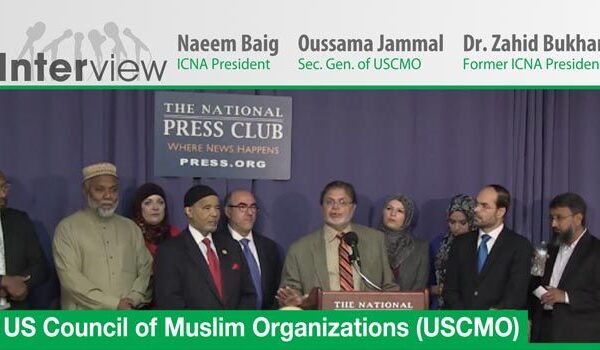
  • Interview: US Council of Muslim Organizations (USCMO)

    Interview: US Council of Muslim Organizations (USCMO)

    What was the driving force, situation, or event that triggered the idea and brought about the formation of the US Council of Muslim Organizations (USCMO)?

    Naeem Baig and Dr. Zahid Bukhari: There were essentially two driving forces that triggered this idea of a unified organization. The first trigger was due to the resulting situation after the 9/11 tragedy and consequential backlash the Muslim American community experienced, and the media’s harshness and biased coverage following these events. Additionally, recent terrorist events and the anti-Muslim rhetoric from the Republican presidential candidates fanned further the flames across the country and even beyond. It was clear then that no one individual will be able to respond to this effectively and that we needed an organization to represent the community in a unified manner, to be able to present our concerns, priorities, and response to this Islamophobia that was picking up pace.

    The other driving force was ICNA’s continuous efforts, since the mid-90s, to find a platform for uniting the Islamic organizations under one umbrella for the purpose of taking action on issues common to all American Muslims, such as fighting Islamophobia. The Islamic Shura Council was an example of this effort but it did not gain traction. It took 4 to 5 years of continuous meetings and discussions before we were successful and able to announce the USCMO initiative in late 2014.

    It was when I (Dr. Bukhari) came across an article while working on a project at Georgetown University that this idea struck me most prominently. It was a project funded by two charitable trusts where representatives were asked to perform a study on their own respective communities, American Muslims being one of these communities. John W. Foster, Secretary of State under former president Dwight D. Eisenhower, wrote an article advising the Jewish communities of that time to unify themselves to help enhance their voice and presence and help address and resolve their concerns. This advice resonated with me with regards to the Muslim communities in America dealing with the racism and hateful rhetoric that is being spewed around us.

    This organization can help us to redefine our struggles and help in the cause to bring back America to its true values.

    What is unique about this organization’s mission and purpose that sets it apart from the rest of the Muslim/Islamic coalitions that exist in the United States?

    Naeem Baig: This organization is unique in the sense it is a national coalition that is not specific to one city or regional area and as a result brings more strength and potential impact to our common causes. It is also unique because it is bringing together professionals from all areas that contribute their diverse skills to enhance the organization’s capacities to complete tasks and accomplish goals. Our next phase includes opening membership to local and regional organizations, Islamic centers and mosques, from various parts of the country.

    As President of ICNA, an organization that already unites Muslims across North America, and with you already shouldering the responsibility of leading this organization, what motivated you to help build this new USCMO coalition?

    Naeem Baig: ICNA has always been part of this struggle, for many years now, so this new coalition was already implanted in the roots of our planning and organizing. We truly need to work together as this is a commandment from Allah (SWT) in Surah Al-Imran, reminding us, “And hold fast to the rope of Allah together…” We are one body that has different parts and functions, striving together as an Ummah. We are in earnest need of this endeavor so I strongly believe in engaging in this type of community work.

    We understand that one of the major campaigns that this organization has undertaken is the “One America” campaign. Please describe this initiative including what the motivation was for this campaign and what it hopes to accomplish?

    Naeem Baig: In our USCMO National Leadership Summit held in December, where we had approximately 120 Muslim leaders from all over the country, this was one of the ideas brought forth after a series of discussions and debates. This initiative is to motivate Muslim Americans as well as other minorities such as Latinos, African Americans, etc. to register themselves to vote by setting up voter registration booths at mosques and other community venues to reach as many people as possible. After seeing the current racist narratives out there against Muslims and minorities, especially from the Republican presidential candidates, we need to counter this with a positive force. No one should be trying to isolate American Muslims from the rest of the country and to treat them as unworthy of being true Americans. Therefore, we need to register to vote so we always have a voice, and an impactful one.

    What has been the progress so far on this drive to register one million Muslim voters? What are your expectations of reaching the goal?

    Naeem Baig: Our plan as a major Muslim organization is to use ICNA’s 40 chapters throughout the US to set up booths at Islamic centers and mosques to help facilitate voter registration. We are also inviting Latino Americans and African Americans to come and register at these booths. We have gained progress on motivating the public but are still working towards our goal of registering as many citizens as we can, regardless of religion or race.

    Have you encountered any resistance to the idea of a national umbrella organization, or heard any criticism from Muslims or non-Muslims?

    Dr. Zahid Bukhari: From non-Muslims, we did not receive criticism but rather encouragement. Up to 37 churches of all different denominations have actually been encouraging Muslims to form this type of organization. They feel that it is a positive step for Muslim communities to have a unified voice. As for Muslims, there usually is always some type of reservation due to natural differences of opinions but we have worked with and gained membership with several major organizations. Among those who do not have a formal membership in USCMO, some have participated with us in press conferences or events such as our National Leadership Summit that we recently conducted. Alhamdulillah, there have been no major criticisms towards this initiative and we hope to grow in membership in the coming years as we become more rooted and established in our current landscape.

    Do you feel that the rise of Islamophobia combined with the hateful rhetoric in the current presidential campaign has made it easier to convince US Muslim organizations to unite, despite any differences, so as to face this threat together as a single entity?

    Dr. Zahid Bukhari: Absolutely correct. Essentially, two ideas became prominent that made for an easier pathway to unifying ourselves: first, everyone was convinced that there must be unity among us to generate a strong reaction to the anti-Muslim and hateful rhetoric that is occurring during the current presidential campaign. And second, Donald Trump’s and Ben Carson’s bigoted and hateful speech essentially put Muslims and their reactions to the bigotry in the spotlight, front and center in the prime-time news coverage. Hence, we get the opportunity to represent our community in a strengthened and unified way.

    Oussama Jammal (current Secretary General of USCMO): It is healthy to have different specialties among American Muslim organizations and more so with respect to their views and opinions. Yet, the unity of purpose and shared destiny is an obligation. Within the current climate of Islamophobia and hateful rhetoric, disunity among Muslim organizations becomes a sin.

    What issues or limitations do you see among the American Muslim population that may still be a hindrance to forming a unified and effective front against this tide of Islamophobia?

    Dr. Zahid Bukhari: One limitation is in regards to first generation citizens who have migrated here from countries that do not have strong democratic institutions and therefore do not always have enough experience to know where and how to make an impact in the political framework here in the U.S. They tend to focus on major elections such as the one for president, but do not realize there is significance and value in participating in local politics and voting in local and state elections as well. Secondly, there is a communication gap between the first and second generation of Muslims, those who have migrated here from a different country and the younger generation which are born and raised in the American culture. Ideas and thoughts can then sometimes conflict or get lost in translation.

    Oussama Jammal: I believe the leaders of Muslim organizations around the country need to understand the scope of this danger not only to the Muslim community but to our society at large and that the only effective response is to come together in unison. Different opinions and views are healthy and needed to enrich understanding and decision-making, but should not be the cause for divisions. The biggest hindrances are narrow-mindedness and ego.

    What are your suggestions for increasing emergency preparedness for Islamic institutions and individual Muslims to address the rising number of hate incidents nationwide?

    Oussama Jammal: Clearly we need to do the following to help ourselves be prepared: Connect with local law enforcement and establishing direct communication protocols; increase vigilance around Islamic institutions as well as individual homes; receive training on safety and security measures including evacuation plans, soft lockdown, active shooter scenarios, and fire drills; install enhanced security and surveillance systems; and develop emergency plans for institutions and individuals such as a close network of people or contacts and specific numbers to call.

    What do you think the American Muslim community, and more specifically USCMO member organizations, can and should do to address the real and present threat of violent extremist groups that are preying on young people via the Internet and who twist the meaning of the Quran to justify their atrocities?

    Oussama Jammal: This is a serious problem and requires a much more comprehensive approach than the current government approach. It will require several components in order to counter violent extremism. The main components include:

    • Develop counter narrative curricula for Imams, youth directors and mentors, teachers, and parents to deconstruct the extremists’ narrative and to show that their ideology is false;
    • Utilize scholars, prominent speakers, and leaders to deliver the message;
    • Mount a social media youth-to-youth campaign on Facebook, Twitter, Instagram, and YouTube
    • Organize and/or utilize workshops, programs on mental health issues, and youth camps to discuss the danger of extremism and extremist groups;
    • Establish principled parameters for cooperation between “Muslim leadership” and the FBI to counter domestic and foreign violent extremists;
    • Engage in political campaigns to address root causes of violent extremism and its connection to counterproductive and damaging foreign policies such as support of dictatorships.

    USCMO held a National Leadership Summit in December 2015. Please explain why USCMO felt this event was necessary and what it hoped to accomplish? What were the key takeaways that American Muslims should be aware of in this current politically charged climate? What do American Muslims need to do in order to counter this negativity?

    Oussama Jammal: After the San Bernardino shootings and the following increase of hateful speech toward American Muslims, the community was under extreme pressure and fear and needed leadership. USCMO rose to the occasion and called upon Muslim leaders to come together and discuss strategies to address the concerns of the community. Focus was on the hatemongering ideology of some politicians and public figures, the rise of Islamophobic rhetoric, and the need for immediate safety measures especially after frequent reports of hate crimes against the Muslim community. The summit showed that we have the ability to bring Muslim leaders together from around the country, even on a short notice, sending a comforting message to the community that its leaders are actively addressing issues of importance to them. The summit provided a forum for discussion and exchange of ideas and strategies, with great benefit from the contributions of diverse groups representing different organizational specialties including civil rights, grassroots and community organizing, academic think tanks, education, religious organization, and so on. The diversity also encompassed various leadership levels, gender, age, and ethnic backgrounds. At the summit, we took note that we should always feel and act as Americans of equal rights and never give in to intimidation. Also that engaging with our fellow citizens on common issues concerning our society will help dispel myths about Muslims and Islam. Building alliances and coalitions with other minorities and like-minded groups is vital for our survival especially under the current politically charged climate.

    Are there resources available to Muslim communities, masjids, and other organizations that they can use to help educate their community members and implement positive changes?

    Oussama Jammal: USCMO is working with its member organizations and specialists in the relevant areas on developing, compiling, and sorting materials needed to educate the community. Several of our organizations, CAIR, MAS, ICNA, MLFA, and MUNA, have already started some training and campaigning in their respective areas of expertise.

    USCMO organized the first of its kind international conference in February 2016 in Washington, D.C. Please describe the mission and goal of this conference?

    Oussama Jammal: We began with collecting ratings on what were considered the most alarming issues affecting our community, such as racism/bigotry, radicalization of Muslim youth, etc., to help get a handle on what we should focus on first. We discussed the role that the media plays in disseminating false information and fear about Muslims and how much influence it has in creating the negative climate. We took surveys on how active our community is in engaging in activities that counters the Islamophobia, and which political parties we feel best represent our interest and concerns. We gathered as much information as possible about the attributes and activities of our community so we can most effectively direct our energy on programs that address the most critical issues. And I am happy to say we already jump started programs in those areas.

    Elaborating on this international conference, please describe the key accomplishments of this gathering of Muslim officials from around the world?

    Dr. Zahid Bukhari: Establishing the Annual Muslim Capitol Hill day, an original initiative of CAIR, is a great achievement. In the past, this event allowed us to hold up to 280 meetings with general councils, a valuable effort on outreach campaigns. The National Leadership Summit and Open Mosque day are also great initiatives and successful campaigns that are mobilizing our efforts and abilities to voice our narrative and address issues and concerns.

    Oussama Jammal: One very significant and strategic objective the conference was able to achieve is the formation of a Western entity to function as an umbrella organization for Muslim groups. The formation of committees, work groups, and task forces will facilitate the momentum of working together, sharing information, coordinating efforts, utilizing resources, enhancing communication, and facilitating planning. The conference also helped to introduce Muslim leaders and organizations to one another and create networking opportunities, and also to learn about Muslim minorities living in various countries. In addition, the conference sent an uplifting message of unity to our local communities, with assurance that their leadership is thinking ahead about their safety, security, and their future.

    What are the next steps that must be taken in order for the mission of this international conference to maintain its momentum and to achieve its aims? Do you see any obstacles that may need time to overcome?

    Dr. Zahid Bukhari: We want to see the One America campaign reach its goal of registering one million voters. The other is Open Mosque day where we have representatives inviting non-Muslims to mosques and talking about Islam, passing out accurate information, and raising political awareness. This is already in the planning and executing phases so insha’Allah the momentum will continue to grow and flourish.

    Oussama Jammal: By the grace of Allah, a steering committee was formed to explore options, develop structure, and present the results to the leadership. The committee is meeting regularly since its formation immediately following the last day of the conference. I must say that I’m very pleased and confident of the ability of this committee to accomplish the tasks at hand and deliver results because of the high spirit of unity, cooperation, and commitment of all its members that I witnessed and experienced firsthand.

  • HijabFest Event in New Brunswick, NJ

    HijabFest Event in New Brunswick, NJ

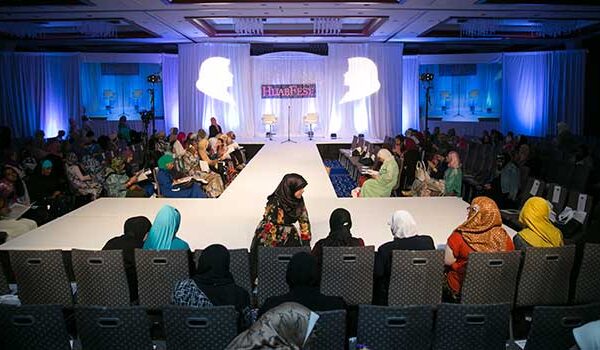
    On September 13, a warm and lovely Sunday morning in New Brunswick, New Jersey, an ambitious group of young women were busy preparing for an annual event, HijabFest,held at the upscale Hyatt Regency Hotel. This is a unique event accentuating the empowerment of Muslim women. Greater significance adheres to this event in that it was designed to highlight the voices of the Muslim women who celebrate their personal choice and sense of privilege in wearing the hijab.
    The initial idea was conceived by members of NBIC, the Islamic center of North Brunswick, when the women felt that there was a need to celebrate the garment of modesty that receives such frequent negative attention from the mass media and general public in the West. The hijab has long been the object of scrutiny, analysis, and condescension,invariably with the critics concluding that it suppresses women.To counter that notion,the women felt that a platform was required to give prominence to women who wear hijab with confidence, conviction, and devotion. It was time to bring attention to the women who proudly and voluntarily exercise their right to wear hijab.
    Academic Discussions, as Well as Fashion, Style, and Creativity
    The stage was beautifully adorned with a white satin fabric backdrop draped with jewels.Black on pink were the colors of this year’s event, with the theme, “The Potential Within Us.” The lineup of speakers included Khadija Daya, Rabeeha Khan, Saadia Malik, and Rabab Mansour.In addition to academic discussions about hijab in lectures and other sessions,the significance and beauty of hijab as a demonstration of modesty and religious devotion was highlighted by a focus on fashion, style, and creativity. The designers, including Zubaidah, Bulbul Clothing, Guzel, and B. Zarina,who worked behind the scenes to create the various patterns and motifs of the hijab and jilbabs, the women who modeled the clothing, as well as the academics and social activists who probed the meaning and the important implications of hijab, were all part of the celebration.
    The event began with Tammy Elmansoury’s recitation of the Quran followed by reading of the translation by Sara Zayed, a co-host along with Suzy Ismail. The program incorporated the stories of Muslim women who struggled and strived,ultimately achieving success in various venues while choosing to wear hijab. Sara Minkara, spoke about her non-profit organization, Empowerment Through Integration(she is a co-founder), to foster full involvement of blind and seeing-impaired children into their communities and societies in order to fulfil their greatest potential. Sara is motivated by her own experience of losing her eyesight at a very young age. Her words reached the hearts of the audience, inspiring everyone with her strength and conviction to help others.Linda Sarsour, an activist for racial and social justice, spoke about her experience, including advocating the inclusion of Eid as a holiday on the calendar of the NYC school system, the nation’s largest public school system, representing 1.1 million students.She also supports the Black Lives Matter movement and participated in the walk from NYC to Washington, DC. When asked why she participated in the 9-daywalk, she replied, “My faith sent me here because Islam is a religion of justice.”
    In addition to the speeches and fashion shows, there were quizzes with prizes and a poetry session.Kashmir Maryam gave a remarkable performance of her poem celebrating the rights of women in Islam and the position of respect granted to them by the noble religion. Donned in a turban style hijab, her eloquently spoken words, garnished by a British accent, flowed through the room with artistic rhythm and a dramatic elegance.
    Amanda Saab, the first ever Muslim woman contestant on the Fox television show, Masterchef, hosted the first cook-off competition between two contestants who raced to make a delectable chicken dish to please the judges.With a passion for home cooking, her recipes have been featured on Huffington Post, Seattle Magazine, and The Detroit News, among others.Amanda loves to re-create ethnic dishes with her own modern twist.She writes a food blog at amandasplate.com.
    Aspiring fashion designer, Sobia Masood, is a student at the Fashion Institute of Technology and incorporates modesty into her clothing designs and ensembles. She gave the audience some fashion tips on how to add color, print, and fun accessories to their outfits to make them pop with style, yet still deliver on the modesty elements called for by Islamic etiquette.
    Great Sponsors, Inspiring Sessions, and Celebration of Hijab
    HijabFest sponsors Cornerstone Consulting and Counseling, Crescent Foods, and Islamic Relief were afforded time to introduce their work.Cornerstone, a faith-based counseling center for youth, families, couples, and individuals was founded and is run by host Suzy Ismail. The center aims to “create strong Muslim families and strengthen relationships in our communities.”Crescent Foods discussed their commitment to providing quality, healthy halal food to Muslim communities.And Islamic Relief, an international humanitarian organization,spoke about the Syrian refugee crisis and made an appeal to the audience for funds to support their humanitarian and relief work.
    There were breaks for lunch, prayer, and a chance to shop at the bazaar which featured products from the various designers who participated in the fashion show. There was also plenty of opportunity for the women to mingle and exchange ideas, and to connect with friends, old and new. One organizer commented,“Putting this program together is a spiritual journey for us. We meet interesting women from all backgrounds that leave an impact on our lives. We learn so much from each other which in turn makes us realize our own potential that we have within us all. We are stronger together than we are when we are apart.”Everyone – organizers, participants, and attendees – enjoyed the highly successful event. Modesty and elegance were conveyed with confidence and self-respect, as hijab was celebrated in the most creative, stylistic, and meaningful way.

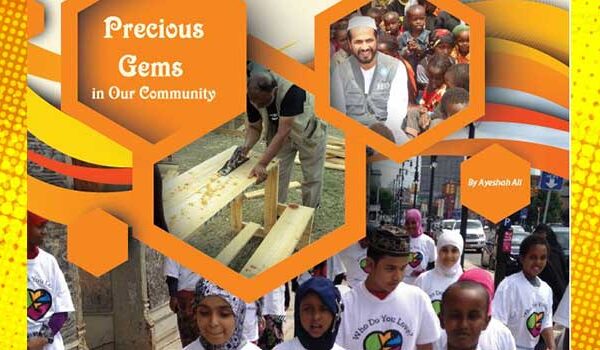
  • Precious Gems in Our Community

    Precious Gems in Our Community

    Altruism is like a human cell. It exists naturally in all of us in a dramatically subtle form that makes it easy for us to forget its existence. Cells are the basic building blocks of living things, including human beings, and they are microscopic and number in the trillions in the body so that we would not even be aware of it if we lost one, or even hundreds of them. Yet, the human cell has ability to unify itself with other cells in numerous combinations and complex arrangements. When the human cell applies itself towards this end by the will of Allah (SWT), it exhibits a tremendous amount of potential, capable of creating a complete human body, essentially delivering an impact of its ability in a truly magnified form that is much larger than itself.

    The altruistic nature of an individual is also of a subtle form, easy to be overlooked and underutilized. Each one of us has shown our altruistic side to others at some point in our lives and continue to do so, if not regularly or very consciously. Now imagine if we gathered this disposition in us into collective form and channeled it in a more organized and proactive way. Imagine the possibilities; imagine the impact it could create on society around us. We only need to look at the stories of individuals in our communities who have a heightened consciousness about utilizing and developing their altruistic tendencies to grasp the unlimited potential.

    The American Muslim community began the process of organizing themselves to serve others during our parents’ and grandparents’ time, laying out foundational elements that would serve as the stepping stones for the next generation. By the grace of Allah (SWT), the next generation took the reins and made huge leaps and bounds since then, dramatically transforming the landscape from a few select opportunities into a diverse and flourishing composition of humanitarianism and voluntarism. Through the efforts of dedicated Muslim individuals, today we have organizations that are thriving, and as they strengthen, they are able to deliver ever more service to the greater community.

    Progress has been in many areas, including the organizations that help the needy, those that empower and train the youth, others dedicated to countering the negative narrative about Islam, and those individuals and groups that reach out to communities beyond our own such as our neighbors of different faiths and beliefs. Collectively, these efforts have created a source of goodness, caring, and service that grows within our communities and reaches out to touch others. Thousands of individuals contribute to this dynamic environment and each one has his or her unique story. Presented here are a number of brief profiles that highlight the many different faces of service and volunteerism.

    ICNA Relief-USA Women’s Shelter Network

    The personal story of Malika MacDonald is a difficult one, yet enlightening. Her journey through abuse, poverty, and struggle for self-esteem eventually led to her current esteemed role of the National Director for ICNA Relief USA Women’s Shelter Network. She has served to help numerous other women in similar circumstances, suffering from emotionally and/or physically destructive relationships and experiences. Her commitment to give back to society is infused with her ability to understand and closely relate to their situations. She described her path in her recent article, “Sex, Drugs and the Redemptive Power of Islam-A Ramadan Lesson,” and highlights her motivation to help women: “My work allows me the opportunity to, in shaa’ Allah, inspire and foster hope where there is none. Similar to that of a caterpillar becoming a magnificent butterfly, I get to witness all of the transformational stages women go through during their own metamorphosis. But their healing is easier when the rest of us obey His decree.”

    Helping Hand for Relief and Development / ICNA Relief

    In the distinguished league of those dedicated to the needy and less fortunate are Irfan Khurshid of Helping Hand Relief and Development and Dr. Mohsin Ansari, ICNA Relief CEO and Medical Director. Irfan Khurshid has been a very visible figure, steadfast in his relief work and providing assistance in some of the most devastating natural disasters, including the 2010 earthquake in Haiti and the one in Nepal in April of this year. He has witnessed unimaginable destruction, and the fear and desperation that follow. His compassion and determination to bring relief to those affected have earned him recognition as a person thoroughly dedicated to help and serve people.

    Dr. Mohsin Ansari served as ICNA Relief Medical Director for many years and recently resigned his post due to health issues. Under his watch, ICNA Relief USA served 112,000 needy people in 2014 alone. ICNA Relief’s disaster program has provided relief in 34 disasters since 2005, the year of Hurricane Katrina. With 21 halal food pantries, 13 women’s shelters, a Back-2-School Giveaway program, and 5 free health clinics that served more than 6,000 patients last year, Dr. Ansari has made it his life’s mission to serve those in need.

    Serving Society- Faatimah Knight

    In addition to the dedicated volunteers and activists who work with charitable organizations to serve the needy, others work to address social justice causes.Knowing all too well the feeling of being targeted as a minority, Faatimah Knight understood the suffering of the victims, their families, and the larger African-American community, after the June shooting at the Emanuel African Methodist Episcopal Church in Charleston, South Carolina. Following this brutal hate crime, Sr. Faatimah, an alumna of Zaytuna College, wanted to help. What started as a modest attempt to raise some money to send flowers to the church turned into a wider campaign to raise funds to help rebuild the eight churches that were destroyed by fires following the Charleston shooting.

    Sr. Faatimah spoke to NBC news, stating, “We wanted to show that as a Muslim community, their pain did not go unnoticed by us—that we did, in fact, feel deeply for their loss.” She noted that“The Muslim community and the Black community are connected in integral ways; one cannot tell the story of one in America without telling the story of the other.”She further commented, “We must always keep in mind that the Muslim community and the black community are not different communities. We are profoundly integrated in many ways, in our overlapping identities and in our relationship to this great and complicated country. We are connected to Black churches through our extended families, our friends and teachers, and our intertwined histories and convergent present.”

    Serving Society – Azra Baig

    A resident of South Brunswick and a nurse by profession, Azra Baig is extensively involved with her local community, serving as member of the PTO at her daughters’ schools, as volunteer nurse at health-focused events, volunteering at the South Brunswick Municipal Alliance, an organization dedicated to fighting substance abuse among the youth, and serving as a member of the Board of Education in South Brunswick. Being the only female and the only hijabi member on the panel, Sr. Azra brings a unique vision and viewpoint to the discussions and policy decisions that are entrusted to the Board.

    She also serves regularly at a Trenton area soup kitchen as part of Muslims Against Hunger. She has initiated a new program, organizing events to prepare bags of food for the needy and visiting urban areas where homelessness is common, to deliver packaged meals directly to the people. Sr. Azra also has membership with the Human Relations Commission, a township agency that helps foster goodwill among the diverse groups residing in the community. As part of this endeavor, she organized an event at her township library to present information on Prophet Muhammad (pbuh) shortly after the Charlie Hebdo shootings in France in early January. Her goal was to help offset the misinformation and misrepresentation that was being generated about Islam and Muslims. She also started a campaign called “Cards of Condolences” after the attack on a school in Peshawar, Pakistan in December of 2014. She collected over 2000 cards from the members of the community, Muslims and non-Muslims alike, to send to the victims and their families.

    Her thoughts on volunteerism are clear and concise: “It is important for everyone to volunteer in whatever capacity they are able to in order to help one another, your neighbors, and your community. It is critical to give back to your community utilizing your time, resources, and knowledge. And especially as Muslims, we all are ambassadors of our faith, living examples of our faith, and need to use our disposition to start positive dialogue and informative conversations with our fellow community members.” She refers to Martin Luther King Jr.’s words to complete her thought, “Everybody can be great…because anybody can serve….you don’t need a college degree to serve…you only need a heart full of grace. A soul generated by love.”

    WhyIslam-Asim Khan, Jr.

    WhyIslam is an outreach project of ICNA.Asim Khan, Jr.talks about its objectives and successes:
    “The project’s foremost aim is to provide accurate information about Islam primarily to non-Muslims. In doing so, it hopes to dispel common stereotypes and persistent misconceptions about Islam and Muslims. WhyIslam realizes that Islamophobia is a characteristic more frequently expressed by those who have little or no exposure to Muslims or Islam. WhyIslam has implemented campaigns recently to promote interaction of Muslims with their non-Muslim colleagues, neighbors, and even strangers. One of the many successful multi-faceted approaches of WhyIslam’s outreach campaign is the social media front which it operates. WhyIslam’s Facebook page has over 300,000 followers and the posts by the WhyIslam social media team are meant to be engaging. Some of our posts have gotten over a million views and over 10,000 comments. The fruits of this effort are manifested by the private messages we receive from people who are ready to accept Islam or want to learn more seriously about Islam and perhaps visit a local mosque. Recently, we had a gentleman named Patrick send us the following private message on Facebook: ‘I thought I would storm to this page and start trolling but I just could not. You answered so many questions I had about the Islamic faith. Maybe you guys are not so bad. ISIS is bad but not all Muslims are ISIS.’Messages like these keep the volunteers’ enthusiasm high and reminds us that we are only doing this because we want to please our Creator.”

    Young Muslims- Brothers

    Ghayoor Arshad speaks of his involvement with his Muslim brothers through Young Muslims.He describes an organization that empowers the youth and helps and supports them as they grow in their iman:
    “Young Muslims’ goal as an organization is to provide Muslim youth across America with genuine brotherhood and a deep connection with Islam that spans across the various facets of their lives. In the sense that we don’t try to distinguish Islam from the secular world in the hearts and minds of our members, but we hope to have them navigate their lives with an overlying Islamic perspective. To achieve this goal, YM’s main initiative is the NeighborNet, which is a simple weekly halaqa (Islamic discussion), followed by an activity of sorts, whether it’s playing sports or grabbing some dinner. This humble weekly meeting often serves as the crux that supports the “Islamic sanity” of many of our members. The NeighborNet serves as a place of welcoming and brotherhood that allows Muslim youth to break down the dualistic wall that separates their Islamic and secular halves. YM focuses on the internal balance in the average Muslim youth in an attempt to secure Islamic values that will aid them in their struggle with their Islamic identity amidst our demanding society. Instead of looking towards celebrities and pop culture for morals and ideals, YM gives Muslim youth an alternative in the form of upstanding Muslims that have achieved success in this society by following Islamic values.

    Personally, YM has given me almost everything I can call an asset in my character. By attending weekly meetings without fail for nearly a decade, I was able to forge a connection with Allah that ushered in a new era in my life. Rather than constantly looking towards media and pop culture for purpose or meaning in life, I was able to find peace in my prayer, and happiness in doing work for the sake of Allah. In this society in which one’s “crew” and “posse” define them in their success and respect, YM gave me a second family in the form of lifelong friends that share my passion for this Deen and imparting this very feeling with the Muslim youth in our area. All of this was achieved not through a curriculum or books or some type of schooling, but simply by establishing Islamic brotherhood amongst friends and learning from each others’ character and manners. Just as many of our members, the reason I tried my very best to be at our weekly YM meetings every single week was because, for the first time in my life, I was looking forward to meeting with Islamically-motivated youth from whom I could learn the Deen simply by spending time with them. Whether it was playing sports or grabbing dinner, I could feel my iman climbing in the company of my Muslim brothers. And that, that is the goal of Young Muslims.”

    Young Muslims- Sisters

    Kainat Hamid, 22, is a Dallas resident and the coordinator for her local NeighborNet, a circle of Muslim friends who connect regularly for purposes of Islamic discussion and sisterly bonding. She has been involved with her NeighborNet since the age of 14 and feels it has become an integral part of her life, a source of support, strength, and motivation as she faces her daily struggles and pursues life’s opportunities.

    Sr. Kainat states, “I think Young Muslims is a unique organization because it provides an outlet for the Muslim youth to create spiritual bonds with each other and Allah (SWT) as they strive through the everyday challenges of living in the American society. It gives us the opportunity to build strong brotherhood and sisterhood bonds as we come together weekly for the sake of Allah’s pleasure through halaqas, volunteering, fun outings, dawah opportunities, conferences, and more. What do the youth need most while living in this society? We need good companionship and YM is an organization that provides just that. Specifically for young sisters, YM gives us the opportunity to do so much more than what society has limited us to doing. We are able to put ourselves out there, do dawah work, give halaqas, and lead the community. In my YM NeighborNet we work to teach the young girls the necessary skills to succeed in this life and the Hereafter. Last year we held a conference titled Empowering Women: Freedom in Islam where we discussed the skills Muslim women need to learn in order to succeed — the rights of Muslim women, the history of successful Muslim Sahabiyat, self-defense tips, and balancing deen and dunya as working Muslim women. Something else really special about YM is that it provides opportunities. A non-profit organization cannot work efficiently without its dedicated volunteers and that is what YM provides opportunities for. It creates and molds leaders and Muslim workers. The Muslim ummah desperately needs the youth to step up and take charge and YM gives the youth the opportunity to make a difference and volunteer their youth for the sake of Allah. Whatever opportunity we find ourselves in…just remember…Allah SWT placed us there. It is through His mercy we do the volunteer work that we do. He has chosen us to do work for His sake. As a result, we should take volunteerism seriously, the same as paid time and, in reality, we are getting paid. The only difference is that our pay will be given to us in the Hereafter in the form of a currency that truly matters.”

    Final Thought

    These examples of Muslims active in volunteerism and service truly highlight not just the benefits of helping others but also the scope of positive influence we can generate simply by demonstrating creativity and determination, coupled with love and concern for the individuals and communities around us. After all, our beloved Prophet Muhammad (pbuh) is a perfect example of a human being whose life was dedicated to serving his Creator and His purpose. We need to embody those very attributes that will help facilitate us to serve in the same manner, in shaa’ Allah.

  • Interview:  HHRD on the Ground

    Interview: HHRD on the Ground

    Burma

    The country of Burma, officially renamed Myanmar, is located in Southeast Asia and is bordered by India, Bangladesh, China, Laos, and Thailand. Burma’shistory has been marked by one of the longest running civil wars between ethnic groups. In a country with 135 ethnic groups, the 800,000 Rohingya Muslims face persecution, ongoing since 1942.In June, 2012, hundreds of Muslim men, women, and children in the Burmese state ofArakan suffered at the hands of Rakhine groups, and there was widespreadmurder and destruction. Whole Muslim neighborhoods in the cities of Western Burma were razed to the ground and thousands were arbitrarily arrested. Doctors Without Borders calls the persecution and massacres of the Rohingya Muslims nothing short of ethnic cleansing.Currently, more than 140,000 people are living in camps.Over 80,000 have fled by boat, many of which havedisappeared or capsized. Thousands have been incarcerated at border camps or are being exploited at the hands of human trafficking groups.

    Responding to the recent crisis in Burma, HHRD is providing relief with the help of its partners in Rangon (Rangoon), the capital city of Myanmar. HHRD partners with the Asian Resource Foundation (ARF Asia) in ongoing efforts to help the Rohingya. HHRD’s Orphan Support Program currently supports 200 orphans, and other programs include In-Kind Gifts and Emergency Relief, along with seasonal programs such as Ramadan Food Baskets and Global Zabihah. HHRD was also able to provide 400 families with Ramadan and Fitra donations. Our Eidul Fitr Food Distribution served 8,370 people. Moreover, medical supplies and equipment have been delivered to the Orthopedic Department of General Hospital Yangon, Myanmar, and the qurbani (slaughter of animals as a religious rite) of 65 cows provided meat to 57,350 people, with the support of Muslim Aid UK’s Myanmar office as Implementation Partner (IP).The major portion was dedicated to the Internally Displaced Persons (IDPs) of Rakhine State in Sitwe,and HHRD distributed meat, for the first time, in the villages of interior Rakhine.

    Syria

    March 15 marked the fourth year of the Syrian civil war that has resulted in191,000 civilian deaths, according to the United Nations. Sanctions, violence, and now deadly living conditions have left multitudes of people desperate for basic necessities such as food, water, medical supplies, and electricity. Thousands of citizens have fled to neighboring countries in hopes of finding safety. Due to the dangerous conditions on the ground, relief work has been extremely challenging. HHRD collaborates with our representatives in Jordan to provide emergency relief to the Syrian refugees (at the same time helping the Palestinians seeking refuge in Jordanand needy Jordanian citizens).

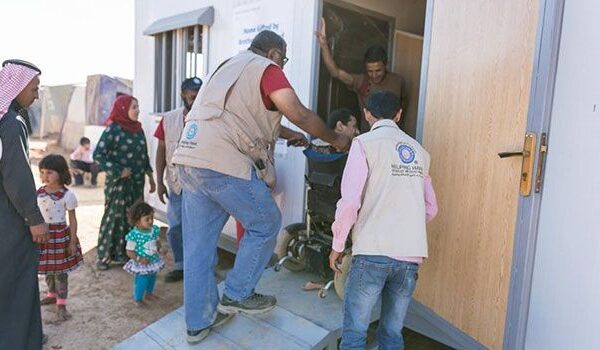
    Helping Hand for Relief and Development became a registered NGO in Jordan in 2013. Currently, the four programs operating under Regional Director YaserAlkhooly are Orphan Sponsorship, Skills Development, In-Kind Gifts, and seasonal programs. In 2014, HHRD’s In-Kind Program was able to deliver 41 containers of food, bedding, clothes, medical supplies, and school furniture to Jordan, Lebanon, Gaza, and Turkey. These containers were able to assist over 130,000 people, of which over 81,000 were Syrian nationals. Our Orphan Sponsorship Program has sponsored and supported a total of 800 children in the region, of which 550 are Syrian. These children are provided with food, clothing, shoes, as well as education and school supplies. HHRD also provides them with financial assistance to cover daily living costs. These children come from areas devastated by horrific violence and poverty; our goal is to show them love through kindness, caring, and promise of a brighter future.

    HHRD’s Skills Development Program is conducted at our Humanitarian Complex in Amman, Jordan. It is here that individuals are trained in computer and other skills in order to attain financial independence and stability. We offer sewing, embroidery, and handicraft courses for a three-month duration. In 2014, there were a total of 31 women who completed these courses. As a result they were able to obtain jobs or open their own businesses, and support their families. Our seasonal programs in the region last year allowed us to distribute 900 Ramadan/Fitr food gift packages to needy Syrian, Palestinian, and Jordanian families. To celebrate EidulFitr and Adha, 450 gifts were distributed to orphans, and they were also treated with a visit to a local theme park. HHRD’s Global Zabihah Program helped to distribute meat to 1,630 individuals in the region.

    The winter season of 2014 proved to be extremely difficult with freezing temperatures and lack of proper necessities. HHRD’s Winter Campaign assisted 550 families by providing sweaters, socks, hats, blankets, scarves and other items. This Ramadan Iftar-&-Dinner Tent Effort will be done in Amman, Jordan.We will also do Food Packages Distribution to 400 Families at $100 per family of five in other parts of Jordan. This effort will be serving Syrian and Palestinian refugees as well as local needy Jordanian families.

    Pakistan

    In 2014, famine wreaked havoc in Tharparkar-Sindh, Pakistan. Due to the lack of safe drinking water, shortage of food, and inadequate shelter the impoverished community was badly affected. With all available water resources being contaminated, citizens were forced to consume unsafe water to save their lives. Consequently, various water borne diseases such as diarrhea, as well as malnutrition and pneumonia began affecting locals. Numerous deaths resulted from these conditions including that of 200 children in the area.

    The HHRD-Water For Life (WFL) program took steps toward providing relief to drought-affected communities in the deserts of Tharparkar. Initially, HHRD-WFL ensured the provision of safe drinking through water trucking. After the emergency relief response in Tharparkar, HHRD continued to provide emergency relief to those affected.

    HHRD conducted baseline surveys in the villages of Tharparkar and adopted Union Councils for the general provision of safe drinking water. However, Diplo, Mithi, and Nagarparkar had the most critical need of the Tharparkar-district.HHRD-WFL implemented 83 safe drinking water projects, 40 community hand pumps, 16 submersible water pumps, 25 water wells, and 2 filtration plants. The implementation of all these projects has been successfully installed by Implementing Partner (IP) Alkhidmat Foundation Pakistan (AKF). These projects benefitted about 49,918 drought-affected people in famine areas of district Tharparkar.

    Palestine

    HHRD is providing emergency relief to the people of Palestine in the form of food, water, medical relief, hygiene items, shelter, transportation, and In-Kind Gifts. This past year we witnessed the 32-mile-long and 7-mile-wide strip of the city of Gaza face unimaginable atrocities. With 70 percent of the 1.82 million population living below the poverty line while under the harsh restrictions of occupation, the region has been described as the largest open air prison in the world. From the late 1940s until recently the Palestinian people have faced numerous massacres and turmoil. HHRD has been active in the region since 2008 by providing emergency relief to the people of Gaza. Through UNRWA, HHRD has provided in 2012-2013 nutritious food to over 2,000 malnourished Gazan children. HHRD has also founded the “Palestinian Students Scholarship Program” with UNRWA for eight Palestinian youth between 2012 and 2017.

    The recent wave of violence in Palestine has led to over 10,000 Gazans being injured , about 2000 killed and among these victims were many children. Moreover, communities have been devastated, the population has been displaced, families have been lost and destroyed, and a generation of children has been traumatized beyond repair. HHRD-Jordan has partnered with UNRWA to help provide emergency relief to the Palestinian people. Initially $50,000 worth of food and hygiene items were sent through UNRWA. Also sent werefood containers from Amman Jordan worth over $150,000, as well as a container of medical supplies from the US worth over $250,000.

    Currently, HHRD is working with UNRWA to provide basic necessitypackages and winter packages for families in need. For $300 a food basket for one month will be provided to a family.For the same amount, a winter package of blankets, clothes, hats, scarves, socks, and towels will be provided to a family of five in Gaza. HHRD is a registered NGO in Jordon; our representatives in the region are currently assembling to provide necessary emergency relief. With the support of our donors, HHRD is sponsoring 100 Palestinian orphans through our Orphan Support Program. Presently, we have distributed Ramadan Food packages to 200 Palestinian families in Jordan and 72 Palestinian families in Lebanon.

  • Interview: Nepal Earthquake

    Interview: Nepal Earthquake

    May, 18, 2015 from Kathmandu Nepal

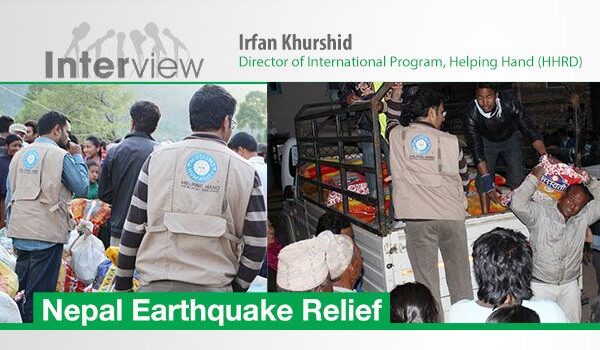
    Br. Irfan Khurshid is currently working as a Senior Advisor for International Affairs, Programs & Disaster Management with Helping Hand Relief and Development (HHRD), a Detroit-based international Muslim charitable organization. He has been associated with HHRD since day onein 2005, serving as its first executive director. His work with relief programs, however, began about 16 years ago in 1998-1999 with ICNA Relief.  A civil and environmental engineer by profession, he began his work with social programs when he was a student. Since then, his passion for helping the needy has continued and kept him active and motivated through his work at Helping Hand.

    Br. Irfan Khurshid and his team traveled to Nepal for relief efforts immediately after the disastrous earthquake in April. They have been there since, providing immediate as well as long-term relief for the victims. We had the opportunity to speak to him from his base in Nepal about his current efforts and eyewitness accounts of the situation there.


    1.  In your relief work you have seen so much devastation from natural disasters across the world. What was your reaction to this one when you first arrived in Nepal and witnessed the damage and devastation? What was the severity of destruction and number of people affected by the Nepal earthquake compared to other disasters?

    IK:The most striking detail that comes to my mind is that there were two side-by-side severe earthquakes (in terms of magnitude) just weeks apart, followed by series of aftershocks which was a serious event for this small and poor but proud Himalayan nation. There were close to 10,000 deaths, and as much or more in injuries, and close to half a million homes completely destroyed or partially damaged and not in any condition to return to.

    Human loss was comparatively less compared to the same magnitude earthquake in the same kind of populated areas because both major earthquakes occurred during the day when most of the people were out of their homes, but property damage was extensive. Because of the series of earthquakes and the big aftershocks, public confidence was shaken and everyone was scared to go inside their homes.


    1. Nepal is known to be a region prone to natural hazards such as flooding, severe thunderstorms, and landslides. With this type of history, were any of the hard hit areas prepared to counteract the devastation?  Was there infrastructure built to with stand the force of earthquakes or any programs that teach the people strategies to minimize injuries and destruction during these natural hazards?

    IK:Nepal has a history of devastating earthquakes almost every 100 years. The last one was in 1934 and before that 1833. People were not prepared as most of the casualties resulted from collapsing houses and slides. Most of the houses that were damaged were very old, simple brick and mortar type of construction which are not capable of withstanding an earthquake, especially of this magnitude.

    1. What has been the response from Nepal’s government and from the locals to HHRD’s rescue and assistance efforts? Were they cooperative and helpful or did you encounter obstacles when trying to implement your relief programs?

    IK: The people of Nepal are very humble and patient. The government was also very supportive of our efforts and greatly appreciated HHRD’s help and intervention in this aftermath. Some members of the Parliament helped by joining our distribution programs. Fortunately we did not face any major issues during any of our operations including distributions, daily clinics, or implementing any other of our relief programs.

    1. Have HHRD team members been put at risk while assisting with rescue and relief efforts in Nepal such as when the second earthquake struck within weeks of the first one in April? If so, what was the experience like and how did it hinder or setback your relief work in the region?

    IK: Working in any disaster area, particularly in earthquake zones, is always risky. It is very hard to predict when an earthquake will strike. Safety of HHRD’s team and volunteers is one of our top priorities. While in Nepal, HHRD’s team and volunteers had to face many big aftershocks and the second major big earthquake hit the 12th of May. It was inarguably a very scary experience. To put it visually, everyone was running, buildings were falling and dust was flying everywhere. Children and adults could be heard crying. But, alhamdulillah, all of our team members were safe.

    1. What is the current morale among the people of Nepal? Are they feeling hopeless and immobile? Or are they finding a renewed sense of determination to overcome this disaster? I ask this because sometimes these disasters end up creating lawlessness and anarchy rather than unity and mutual assistance.

    IK: People of Nepal are very hardworking, polite, and content. I did not witness any violence. In any distribution run, if there were more needy people than the availability of relief items, anyone who did not receive the supplies did not complain.After the second earthquake hit, however, people were even more frightened, feeling helpless and scared to go back inside their homes to retrieve any necessary items. One of the senior doctors mentioned that even some of the medical staff had lost confidence. Lots of people spent their nights sleeping outside.


    1. What is the most critical assistance currently needed? Is it in rebuilding, medical assistance, or food supplies, or something else? In an appeal to the public, how best can they help?

    IK: People’s homes and livelihood have essentially been destroyed. They need every type of help they can get.But to prioritize, the most needed are shelters and homes and good quality family tents. Monsoon season is expected around mid-June and currently most of the people are without any reliable shelters or tents. In addition, food, medicine, clothes, blankets, mosquito nets, and hygiene kits are the top required items.

    We are also looking into the possibilities of starting some programs, namely the Orphans Support Program (OSP), Skills Development Centers (SDC), Interest Free Micro Finance Program (ESSAR), and Mother & Child Health Centers (MCHC).Any and all assistance in these areas from the public will always be appreciated and put to good use.

    1. Does HHRD have enough team members to accomplish its goals?

    IK: HHRD team has trained emergency staff, doctors, and volunteers working to maximum output. Basically everyone was working around the clock and luckily we were able to enlist many local volunteers for help. I will also add that the youth wereparticularly important in helping us to carry out our work.


    1. Have the current weather conditions in Nepal been favorable to your work? Has rain or excessive heat hindered the relief efforts?

    IK: Generally, the weather has been good but there were many days that we got heavy rain which made the lives of the affected people more miserable and distribution activities difficult.


    1. What are your thoughts after seeing the situation that you would like to share with the public?

    IK: This small underdeveloped nation is suffering badly. The government has very limited resources. The people are good, hardworking, and proud. With enough planned help from the governments, NGOs, and donors, we may be able to help them get back on their feet once again and resume their normal daily lives.


    1. 10. What would be your suggestions for people, governments, and the international community about preparedness and natural disaster management?

    IK: Be prepared for disasters before they strike. Most of the people killed in earthquakes are due to falling buildings and houses. The local, state, and federal governments should have strict regulations in place for new construction, as well as inspecting the infrastructure of older homes and buildings to ensure they are fit and capable to withstand earthquakes.

    Disaster plans should be in place and emergency response teams should be prepared for action in case disaster strikes. Trained rescue teams, equipment, search and rescue dogs, and preparedness education of the public should be in place to avoid as many injuries and as much damage as possible. There is great value and benefit for everyone in this preparation.

  • Interview with Dalia Mogahed

    Interview with Dalia Mogahed

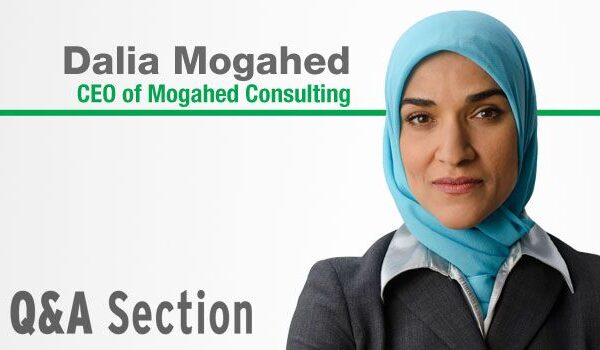
    Dalia Mogahed is an American leader with notable achievements in research related to Muslims societies worldwide and, in particular, the Middle East. She is currently President and CEO of Mogahed Consulting, an executive coaching and consulting firm based in Washington, D.C. She served as the Executive Director of the Gallup Center for Muslim Studies and also as an adviser for the White House Office of Faith-Based and Neighborhood Partnerships under the Obama administration. In addition, she contributed to the Countering Violent Extremism Working Group of the Homeland Security Advisory Council, and worked with Madeleine Albright on the U.S. Muslim Engagement Project where she produced policy recommendations, many of which were adopted by the Obama administration.
    Mogahed also serves as a nonresident senior public policy scholar at Issam Fares Institute for Public Policy and International Affairs at the American University of Beirut, and was chosen a World Economic Forum Young Global Leader. Her experience began as founder and director of a cross-cultural consulting organization in the U.S. that offered workshops and other programs addressing diversity and cultural understanding. Mogahed joined with John Esposito in co-authoring the book, “Who Really Speaks for Islam? What a Billion Muslims Really Think,” a work compiling many years of research and interviews with or related to Muslims from more than 30 countries.

    Q: Your career began as a researcher in marketing products for Procter and Gamble but progressed to social work and research related to Muslims. How did you progress to these types of roles from your position at Procter and Gamble?
    A: My position at P&G taught me the art of applying science to the study of human behavior. I took this passion for research into my MBA and when I graduated, I joined Gallup. At Gallup I was able to live my dream of helping the world understand Muslims by giving them a voice through rigorous survey research.

    Q: What was the motivation or incentive that drove you towards this path?
    A: My motivation was to be a bridge and a ‘translator’ between Muslims and the broader society. I always played this role in different ways though the means changed throughout my career.

    Q: You co-authored a book “Who Speaks for Islam? What a Billion Muslims Really Think?” What impact do you feel this book has made on bridging the gap between Muslims and non-Muslims, particularly the understanding of Muslims by non-Muslims?
    A: I think the book’s biggest impact was in changing the conversation regarding Muslims and violence. The book dispelled the myth that religion was the problem and showed clearly that it was politics and not [some misguided] piety that drove the small fringe who condoned violence.

    Q: What were the most challenging criticisms to the book that you have had to respond to?
    A: The most challenging criticisms were ones that simply dismissed the entire book because they claimed Muslims lie to pollsters. My response to this claim is it is pretty hard for so many people in so many countries to agree on a common lie. Polling is not perfect by any means, but the best way to understand what people think is still to ask them and then listen.

    Q: We have seen rises and falls in the wave of Islamophobia that has spread across many different regions. What is your understanding of the current situation of Islamophobia, especially in terms of its intensity?
    A: It is important to understand that anti-Muslim prejudice is largely manufactured by an industry of well-funded organized activists. It intensifies around war and elections, not just terrorist attacks. This means that it is more than a response to bad Muslims doing bad things. It is also a product of a media campaign meant to instill fear and hate to forward a political agenda. I think it is going to get much worse as the 2016 election starts to heat up.

    Q: Our focus, as a Muslim-American community, is to change the currently negative narrative about Islam and Muslims that we have been witnessing lately. In what areas do you feel our community needs to expend more effort and development to achieve this goal?
    A: We need to do two things: We need to offer a human narrative of Muslims and continue to unapologetically explain Islam as it is. And we need to challenge the bigotry and call it out and this includes the incessant and never-ending demand to have Muslims condemn terrorism. We can’t do one without the other.

    Q: What are some insights about the perceptions of Islam and the Muslim communities that you have come across in your work at the Gallup Center for Muslim Studies that are relevant to the Islamophobia crisis we constantly see around the world? You can share with us insights about what has fostered the misunderstanding of Islam/Muslims as well as the actions taken that have helped reduce the public’s negativity about Islam.
    A: One of the major ones is what I mentioned earlier [about the myth regarding Muslims and violence]. Another is that Muslims around the world want democracy and see it as a key to Muslim progress. Yet another is that men who support women’s rights are neither more or less religious than men who do not support women’s rights. The main difference is their education and their own employment. When men are more educated and have greater well-being, they support women’s rights.

    Q: Are there certain behaviors and actions that are critical to being successful in the dissemination of accurate information about Islam and Muslims?
    A: I think it is reaching people’s hearts and not just their minds. We need to make people laugh. We need to make people cry. We need to touch their hearts and connect on a human level.

    Q: Of all your efforts that you have executed in the past, which do you feel was the most effective in helping the public to better understand Muslims?
    A: My best and proudest achievement was befriending and, I hope, educating Howard Gordon on Islam and Muslims. He is an American television writer and producer, and the screenwriter for [the television series] “24.” He went on to write much more human depictions of his Muslim characters.

    Q: To the aspiring younger generation, what advice would you provide to help them continue the efforts for better understanding between communities of all backgrounds? Where should their focus be and what assets should their development be focused on?
    A: Young people should first ground themselves in a mad love for Islam. If it isn’t there they can’t convey it to others. Then they should explore their own talents and do what they do best, letting God’s hand guide their path. If their eyes are set on the right mission, they will find that the best road will unfold before them.

    Q: The recent situation in France was a tragedy for Muslims in the sense of how much Islamophobia it has generated on top of what we were already experiencing. Yet, in my personal opinion, I think sometimes tragedy leads to an explosion of hate followed by a proactive measure by the public to contemplate on the situation and really question whether what they hear from media is true or exaggerated. And in turn, this actually leads to more understanding of Islam and Muslims eventually. For example, the event of 9/11 elevated Islamophobia but it also had copies of the Quran flying off the shelves and people converting to Islam as they discovered what it really was. So in conclusion, do you feel that outcome is possible here? In other words, what do you feel will be the outcome of this tragedy in terms of the situation of Islam, Muslims, and Islamphobia?
    A: The shooting was tragic in every way. I hope that good things can come from terrible tragedies but it is not clear if this will occur. The issue in France is that racism that would make us cringe in the U.S. if it were applied to our racial minorities, is hailed as a symbol of progressive modernity in France. France needs to evolve and join the modern world. Their problem is not being “too free” or “too modern” but instead backward and bigoted. Unless France reforms and modernizes, the hate will only worsen.

  • Unforgivable: Practicing Forgiveness, Caring with Depth of Soul

    Unforgivable: Practicing Forgiveness, Caring with Depth of Soul

    As the sunset marking the beginning of yet another Ramadan approaches us, Muslims begin to scurry around in efforts to prepare themselves for the responsibilities of this sacred month. The prayer schedules marking suhoor and iftar times are published, Masjids prepare their facilities for the expected worshippers, the Imams revisit sections of Quran where reinforcement of their memorization is needed, and parents ready their refrigerators and freezers with food items for upcoming iftar treats and dinners. It is a truly blessed time of the year marked by remembrance of Allah, connecting with fellow Muslims, and the excitement of abundant rewards to be earned.

    By practicing forgiveness we achieve having a heart unburdened by feelings of ill will.  We have every reason to practice forgiveness as it is a healer of wounds, a softener  of the heart, and a purifier of the soul

    However, in the midst of all this preparation, we must remember to focus on those things that are not as easily achieved. Facing Allah (SWT) and reinforcing our connection with Him is critical but so is our duty towards others, fundamental to coming nearer to Him. One of the challenges we face is the Islamic emphasis on practicing forgiveness of others who have wronged us or hurt us.

    Forgiving others is not an easy task. But we do have the capacity to overcome our anger, hurt, or resentment. Allah (SWT) is clear in His instruction for us to forgive and care for our fellow believers. Moreover, He sent us His Messenger, Muhammad (SAW), as a model for the demonstration of this difficult task. Psychologists have extensively researched the phenomenon of forgiving others, both its inhibitions and the personal consequences of feeling vengeful, as well as its full expression and the emotional and psychological rewards for the ones who achieve it. It is an established fact noted from research that those who have worked through their negative emotions over an injustice toward them, and moved towards forgiveness, live a happier life with a better mental and emotional well-being. So what steps can we take to get closer to this target of practicing forgiveness?

    Step One in Practicing Forgiveness

    Working Through the Initial Pain

    The first step is to acknowledge to ourselves what has happened and to allow ourselves to feel the pain rather than to repress or dismiss our feelings of hurt, disappointment, or anger. Crying might be a natural outcome if sadness is a dominant emotion in the aftermath of the offense. Praying to Allah for help and relief is always helpful, and making du’a to Him as a means to freely express one’s pain is highly recommended. Expressing one’s thoughts and feelings in a personal journal can also be very therapeutic. And certainly giving some time for the initial shock to diminish – perhaps practicing deep breathing, practicing patience, and seeking solace in one’s faith – helps to process and work through the pain.

    Step Two in Practicing Forgiveness

    Putting the Situation in a Larger Perspective

    The next step would be to try to understand the situation and why it happened. Perhaps the person wronged you out of ignorance, or a burden or stress he was experiencing caused him to act that way and afterward he felt sorry for his behavior. It is important to speak with the person who you feel wronged you and allow him or her to explain the situation from their perspective. That doesn’t mean that you will necessarily find their explanation satisfactory and if that is the case, you should have a healthy assertiveness in telling them why you feel that you have been wronged. This must be done in a calm, respectful manner. Upon listening to your view of the situation and why you feel you have been wronged, the person has the opportunity to apologize if they feel sorry. Once you have had this dialogue with them, you have the information you need to put the situation in a larger perspective and make an assessment as to whether to accept their apology if you feel it is sincere and to forgive them.

    Step Three in Practicing Forgiveness

    Learning to Let Go

    If the person who has wronged you is a family member or friend, and you have accepted an apology from that person, then the next step is to let go of any resentment or anger toward them. This allows the relationship to move forward and hopefully each of you is more aware and committed to a healthy dynamic, having learned from the situation, insha’Allah. There is a higher level of satisfaction and inner tranquility achieved by letting go of hard feelings and ill will towards someone who has grieved us. Forgiveness leads us to be more compassionate and loving. It humbles us so that we are in a better place when we face Allah and ask for His forgiveness for the sins we have committed towards Him. A verse from the Quran states, “The reward of evil is the evil thereof, but whosoever forgives and makes amends, his reward is from Allah” ( 42:40).

    With all the benefits we receive from the Almighty for practicing forgiveness, as well as the psychological benefits we achieve by having a heart unburdened by feelings of ill will, we have every reason to practice forgiveness as it is a healer of wounds, a softener of the heart, and a purifier of the soul. And if performed in the sacred month of Ramadan, there is a multiplier effect of these benefits. We have nothing to lose and everything to gain.


  • Interview: Irfan Khurshid

    Interview: Irfan Khurshid

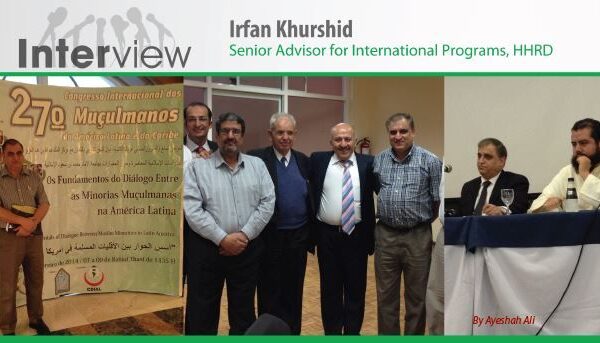
    Br. Irfan Khurshid is currently working as a Senior Advisor for International Affairs, Programs & Disaster Management with Helping Hand Relief & Development (HHRD), a Detroit based international Muslim charitable organization. He has been associated with HHRD since its inception in 2005 as its first Executive Director. His work with relief programs, however, began about 16 years ago in 1998 with ICNA Relief. A civil environmental engineer by profession and training, he began his work with social programs when he was a student. Since then, his passion for helping the needy has thrived and kept him active and motivated through his work at Helping Hand. Recently, he represented HHRD and WhyIslam at the Latin American Muslim Leaders Conference that took place in Sao Paulo, Brazil. Sr. Ayeshah Ali interviewed him on behalf of the Message International.


    HHRD is just beginning its services in Latin America. This interview provides highlights of a recent visit to Brazil and Mexico.

    Q Please describe the mission/goal/objective of the Latin American Muslim Leaders Conference that took place in Sao Paulo, Brazil.

    A: I attended this conference on behalf of HHRD and WhyIslam to represent both initiatives. This conference is typically held annually and organized by Center for Dissemination of Islam in Latin America. This year’s theme was “The Foundations for a Dialogue between Muslim Minorities”.

    For HHRD, I wanted to reach out to the Muslim leaders there on beginning and establishing new HHRD relief programs in Latin American countries. I wanted to network and build contacts with these representatives so that we could identify the needs of the impoverished communities and then define what types of services are critically desired and needed in those areas. Additionally, WhyIslam is looking to represent Islam during soccer’s World Cup events in June as part of a Dawah program and my goal was to work with the attendees at the conference to coordinate the most optimal ways to pursue this and get the message of Islam out to as many people as possible.


    Q Please describe your opinion on the outcome of this conference in how it measured against your expectations in reaching your goals.

    A: Yes, I felt it was very productive for both my purposes. There were approximately 150 representatives attending the conference representing many different Latin American countries. These were leaders from local Islamic centers, social relief workers and some academics as well. Because of this, I was able to network with a wide variety of community leaders and establish ideas on how to promote this event for WhyIslam as well as elements needed to initiate HHRD relief efforts for people in their areas.


    Q What is the current strength of HHRD in Central and South America?


    A: We are just beginning to start our services there. This was my first time in South America but I have been to Mexico a few times already where we were able to obtain registration for HHRD in February 2014. We have distributed food, established some medical clinics in the vicinity of Rosarito, in Baja California, Mexico. Haiti also has seen our work since year 2010 where we assisted with disaster recovery, built shelter homes, water wells, a qurbani/zabiha program and also started a Youth for Haiti program. This initiative allows us to send students to Haiti where they volunteer to help with relief efforts. It’s a rotating cycle between groups of students that visit there for a certain amount of time and then return to allow a new group of students to attend and experience relief work.

    Q What do you wish to improve of the services already established there or what new endeavors are you hoping to establish?

    AIn Mexico, we have identified the need for some relief programs which we are planning to start soon. First is to build shelter homes in the low economic areas, serving the Muslim community here as well as the Native Americans that reverted to Islam and are living in impoverished areas. This is being carried out in the state of Chiapas. Our second initiative is to build an orphan support program to assist the youth in essential items for living as well as ability to get an education. The third initiative is to establish a skills and vocational training center where individuals can learn a trade to earn a livelihood. All these are in addition to the Interest Free Micro Finance Program (IFMFP) and In-Kind Relief Program (IKRP) where we provide food, clothes, shoes, jackets, medicines, and so forth for different areas in the country as part of the Eid Gift Program and the Qurbani/Zabiha Program.


    Q What are the significant challenges or obstacles you have encountered in Central and South America that have prevented or delayed your ability to start these programs/services there?

    AThe most prominent thing is language. Communication with the people in these foreign countries turns out to be the most difficult in overcoming when trying to assist the people while having limited resources. We try to engage people from the local communities to help implement the programs but we also need more experienced people that are more likely to come from the U.S.

    It is also important to be sensitive to local practices and customs so as not to offend any of the people while assisting them. And lastly, to be aware of the safety and security of yourself and your staff as some regions are not as safe and secure as others. It is necessary for us to educate ourselves prior to our trips to review the areas safest for the establishment of our efforts, whether it be in the cities or in the countryside.


    Q What are some of the pitfalls that you are looking to avoid as you plan these initiatives?

    AIt is critical that we ensure the security of where we are doing our work. In addition, we have to practice due diligence in selection of human resources, knowing who we are hiring and knowing their credibility. Building a good solid team ensures a project to go more smoothly and it is important to remove any weaker links to avoid potential conflicts. Also, it is important that we do not attempt to start up too many programs at the same time; better to start it small and then slowly build on its foundation. Establishing a base camp where we coordinate operation of our tasks is also an important element. Lastly, we also need to be in line with local authorities and regional regulations to ensure we are in compliance with them.


    Q Describe your process in organizing a program or task relief effort.


    AWe look at three things: the type of program we want to establish, the size of it and then how much funding we have for it. Based on this, different timelines are set for each project which can range from a few months to over a year. And some are ongoing projects with essentially no completion dates such as sustained support for orphans.

    QFrom your perspective, how far along has HHRD come from its inception to today? What programs have you felt were the most successful and provided the most benefits and resources to the people that you were serving?

    AAlhamdulillah, revenue for HHRD has been increasing each year. In 2012, it was over $20 million and in 2013 we reached over $30 million in donations, fundraising and recurring donors. We have established offices in over 10 countries, 13 offices within the U.S. and we have regular ongoing projects in over 20 countries. Additionally, we have established seasonal programs in over 55 countries. HHRD has over 12 different programs but our strongest programs are the Orphans Support Program (OSP), Interest Free Microfinance Programs (IFMFP), drinking water programs, physical rehabilitation programs, and lastly the skills and vocational training programs. These accomplishments describe the growth of HHRD over the past years.


    Q Any other important thoughts you would like to share about your experiences as a relief worker?

    A: I would like to mention that for us living in the U.S., we are blessed with a lot of comfort and amenities that our neighboring countries do not have. We don’t always realize that only a few hours of flight away from the US and we can see the prevalence of poverty, lack of resources, and suffering of so many communities. It is important for us to remember them and identify what needs to be done and what we can do to help these people regardless of race or religion. Let us reach out in some way and at some point in our lives to those less fortunate.


  • Interview: Rohina Malik

    Interview: Rohina Malik

    Question

    What event or person inspired you to go into this field of theatre and drama in the first place? Go back to the very first time you had felt this interest and describe your experience.

    Answer

    If you have a dream, you have to work hard for it

    I was born and raised in London, England. I attended a school called Brentford School for Girls, and that’s where I first discovered my love for theatre.

    Question

    After acknowledging your interest in this type of art, describe the steps you took to pursue this goal?

    Answer

    When I was 15 I moved to Chicago. My high school had a strong theatre department and that’s where I was first exposed to solo performance. It was also in high school that I wrote my first play. I remember sending my play to NYC for the Young Playwrights competition, and my play made the top 29 out of 1500 plays.

    Question

    Did you have any major or discouraging setbacks in trying to follow this dream and if so, describe them.

    Answer

    I wanted to study theatre in college, but my biggest obstacle was myself. I often wondered if there was a place for a Muslim woman who wears the hijab in the American theatre. I also felt pressure from my culture, that theatre was not appropriate for Muslim girls.

    So I gave up my dream and majored in something else. After getting married, having children and feeling a deep void, I would find my way back to the theatre.

    Question

    Did you have any resistance or skepticism from your family for taking this route as it is not considered to be the standard career paths that Muslims are expected to take?

    Answer

    I felt pressure from my culture, friends, and family that theatre was not appropriate for a Muslim girl. Hence, why I hesitated initially in pursuing this pathway and continued my studies in other subjects instead.

    Question

    Did you have any one person or belief that helped you to continue to strive in this path towards developing this career?

    Answer

    At the end of the day, you have to believe in yourself. Nobody can make you happy; it has to come from within. In my early thirties I realized something important was missing from my life, and after deep reflection I realized that I needed to create theatre. Life is short, and I just had to jump back into it. So I wrote Unveiled. Now, I feel like I’m doing what I was meant to do with my life.

    Question

    How does the audience receive you after your performances? It would be good to know both reactions, those who received you well and those who were your critics?

    Answer

    Theatre is art and art is subjective. One man said my play was propaganda and not art. Another woman was so angry she got up and walked out of the theatre. However, I did not mind at all. To me, the exciting thing about making art is seeing the different ways people respond to it. There is something powerful about experiencing live theatre with other people at the same time. Theatre is powerful because it can create a collective consciousness. I will never forget this young man who cried after seeing Unveiled. He asked to speak to me and told me he was from a small town. He told me he hated Muslims and thought women wore the hijab to celebrate 9/11. I will never forget the tears streaming down his face as he looked at me and said, “I’m sorry.” It was one of the most powerful moments in my life, and that’s why art is powerful. It can create dialogue, it can create understanding, and most importantly, it can heal.

    Question

    Did you ever doubt the choice you were making in pursuing this goal of theatre and drama combined with combating Islamophobia?

    Answer

    I write about the issues that concern me as a human being. Unveiled dealt with Islamophobia but my other play, The Mecca Tales, deals with something else. My plays touch upon many issues that concern me.

    Question

    How was the experience of your very first performance? What performance was it and was it daunting or a natural experience? Were you afraid of the response you might receive?

    Answer

    My first performance of Unveiled was scary, but it was also exhilarating. When I heard the audience laugh at the funny lines, I relaxed. Humor helps the audience to relax and have a break from the tension. Unveiled is a serious play, but audiences are always surprised by how funny it is.

    Question

    What are your future aspirations after the success of Unveiled?

    Answer

    I want to create an organization that focuses on Muslim artists of all disciplines and supports them so that they can share their talent with the community.

    Question

    How has this career of yours as well as the current success of it affected your family?

    Answer

    Finding time to write when you have children is difficult, and writers who are parents know how precious writing time actually is. I try to write late at night when the kids are sleeping. The thing is, once something is important to you, you will find the time to do it. It’s been good for my children to see what I’m doing, and I bring my two older kids to my staged readings and productions. I think it’s important for them to see their mother achieving her dreams.

    Question

    Please share anything else such as a specific experience or a word of advice to those aspiring to a similar path as yours, particularly as it pertains to Muslims?

    Answer

    Don’t expect anything to be handed to you. If you have a dream, you have to work hard for it. It’s a tough industry and it requires thick skin. But, if you stay positive, believe in yourself, and trust God, you will find your way.