بسم الله الرحمن الرحيم

Tag: ICNA

  • ICNA-MAS Convention 2024: ‘Unshakable Faith’

    ICNA-MAS Convention 2024: ‘Unshakable Faith’

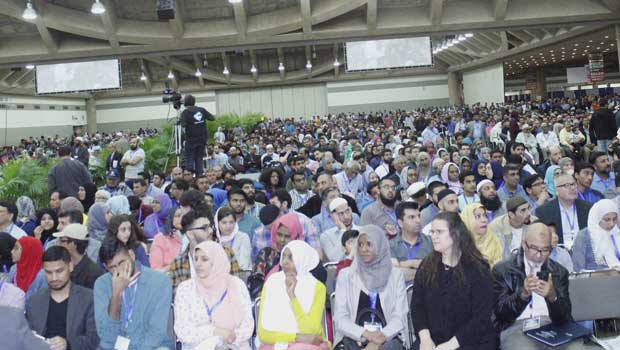
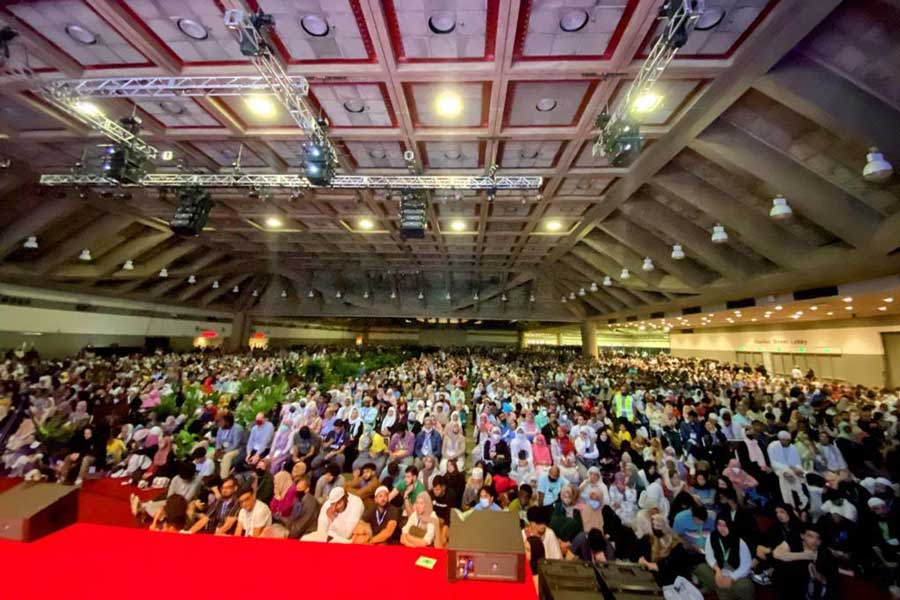
    Every year Muslims gather for the ICNA-MAS convention in Baltimore, Maryland. It is estimated that 30,000 Muslims will convene this Memorial Day weekend, May 25- 27, 2024, to bask in the beauty of the deen as one ummah. The Summer 2024 conference will bring together world renowned scholars who will present lectures and workshops on a variety of topics. The theme of this year’s conference is learning to live a life full of conviction and trust during turbulent times. The conference aims to orient hearts and minds by the idea that we must rely on Allah now more than ever as we witness a period of constant social, political, and personal unrest. This convention allows us the opportunity to refocus and ground ourselves in the teachings of Islam.

    In 2019, I attended the ICNA-MAS convention. I went to connect with old and new friends, listen to incredible lectures, and shop in the bazaar. I also attempted to get into the popular matrimonial event, but it was sold out because it was in such high demand! I was so impressed by the sheer number of Muslims attending the convention. People from across the country came together to learn with one another, network, and socialize.

    I remember my favorite part of the convention was getting to listen and interact in person with scholars that I follow closely on social media. This year, the discussions will be centered on some of the ongoing challenges Muslims are facing in America. The scholars will engage with the audience to discuss potential solutions within a practical and spiritual framework.
    In addition to programs offering religious knowledge per se, there are speeches and workshops on mental health, parenting and child psychology, finance, law, and education, all of course from an Islamic perspective. There are over one hundred breakout sessions including a special Youth Conference, an interfaith dialogue seminar, matrimonial services, hands-on workshops and a Qur’an Competition. It is highly suggested by convention organizers that one pre-register for things like the Qur’an Competition and the Matrimonial Event.

    For those interested in the Matrimonial event, take note that it will begin on Sunday, May 26 from 11 a.m. to 5:00 p.m. It’s important to go in with the understanding of how the event will work. Participants must provide accurate information and should not conceal or misrepresent any important information (e.g., previously married, divorced, children, country of origin, citizenship, etc.). ICNA cannot take responsibility for any false or misleading information provided by candidates. It is required that women are accompanied by their wali (parent or legal guardian) during the session. The parent(s) or wali should not interrupt the flow of the conversation but should be there to ensure Islamic etiquette. Most importantly, ICNA volunteers try their best to match everyone, but there are no guarantees in this process. There is an advantage to registering ahead of time in that your spot will be secured; slots may run out fast, and also the fee is more expensive if you register on-site.

    For the young children, between the ages of four to nine, one can register for childcare services. Parents can safely leave their children with dedicated staff while they attend sessions throughout the day. The children will engage in activities like a science show, arts and crafts, and a moon bounce. There is another program called Muslim Children of North America (MCNA) for kids between the ages of six to nine. The program will bring together children of all backgrounds to learn about Islam and engage in real-life concerns that they might encounter as young children. For middle school-aged children, Young Muslim Jr. (YMJ), is a program that will help them engage in project-based activities in their community, allowing them to grow deeper in their faith. This program includes a variety of activities including YMJ courses, Book Club, and Journey through the Qur’an. The full program can be found here.

    For middle schoolers and high schoolers who are interested in debate, there is the Muslim Youth Debate Tournament. This is a youth enrichment platform of the Mafiq Foundation that hosts parliamentary-style debates. The competing teams participate in a preliminary round of four virtual debates. Each debate consists of two pre-assigned topics and two topics given on the day-of. The top four performing middle school teams and the top four performing high school teams will be invited to compete in the semifinals and finals at the convention. It is necessary to register in advance and one can do so here.

    There is an opportunity for Muslim women to express themselves through the written word, in a Poetry Slam. Hosted by Strange Inc., a non-profit publishing house in New York, the Slam is an opportunity for twelve talented contenders to showcase their poetry skills and share their creative works in a safe space. They will be judged based on both the content of their work and their performance. There are two rounds of the competition. Interested participants must submit their work in advance, and only twelve winners will be invited to complete the final round on a live stage, on May 26, at 3:30 p.m. Those interested in performing should register here.

    Another interesting event that is part of the Technology Track Session is the Hackathon. The Hackathon aims to bring together community, innovation, and technology through a timed event in which teams or individuals work on creative projects to invent and generate new ideas to solve big problems. The Hackathon consists of designing, building, and presenting solutions to problems. The teams then pitch a final concept, prototype, or presentation to judges to demonstrate why their idea would solve the problem at hand. One can register in advance here. The Hackathon is part of a larger track of the conference where topics will include parenting in the digital age, responsible AI, robotics, and cybersecurity awareness.

    The number of opportunities to learn, grow in faith, network, and socialize are endless at the convention. Take advantage of the long holiday weekend and head to the ICNA-MAS Convention!

  • NNets — Deepening Understanding of Islam and Fostering Spiritual Growth

    NNets — Deepening Understanding of Islam and Fostering Spiritual Growth

    NNet, although presented under a different term, is not a novel concept but rather a variation of existing practices such as usra (a tight-knit group, close like a family, who come together for religious/spiritual purposes) or halaqa (study circle). NNet’s origins can be traced back to the early days of Islam. Upon embracing Islam, the Sahabah sought guidance and fellowship in the first usra convened in the home of one of the companions of the Prophet, Al-Arqam. Following the second  pledge of Aqabah, Prophet Muhammad (s) selected 12 naqeebs (leaders) from 73 individuals, ensuring comprehensive leadership and supportive care for all members of the community.

    Throughout Islamic history, NNet or usra has remained a recurrent model of Tarbiya, spiritual nurturing. Contemporary Islamic movements led by figures like Hasanul Banna and Mawdudi have also embraced NNet/Usra as an integral tool for individual and collective development.

    This time-tested approach has proven to be highly effective in fostering personal growth and self-development, according to an Islamic model, within the Muslim community.

    Implementing the Teachings of Surah al-‘Asr

    Allah SWT tells us in Surah al-‘Asr, “…Indeed, humanity is at loss, except those who believe and do righteous deeds, and enjoin truth and enjoin patience and perseverance” (Qur’an 103:2-3).

    NNets are a special way for Muslims to grow closer to Allah SWT and deepen their faith. Unlike big events such as lectures or conventions, NNets happen every week. They offer people a regular opportunity to deepen their understanding of Islam and themselves. In NNets, individuals discuss various aspects of their faith. They talk about what the Qur’an teaches and how it relates to their daily lives. Through these discussions, they become better at thoughtful reflection and gain a clearer understanding of Islam.

    A significant aspect of NNets is the focus on achieving a deeper understanding of the Qur’an in order to put goodness into practice. Faith without good acts is incomplete, as articulated in the above verses. Each week, participants gather to read and discuss Qur’anic verses. They explore the meanings of the verses and consider how they can apply them in their lives in a truthful and responsible manner.

    NNets also serve as a support system for dealing with life’s challenges. By discussing various  topics and drawing upon Islamic teachings which offer ways to cope with challenges and adversities, people learn to face difficulties with patience and perseverance, to strive for solutions with confidence and resilience. They use the wisdom from the Qur’an and the teachings of  Prophet Muhammad to navigate through tough times.

    Beyond individual growth, NNets foster a sense of community among Muslims. Regular gatherings allow people to come together, share experiences, and support one another. This sense of unity strengthens the spiritual journey for everyone involved. Moreover, NNets benefit the broader community as well. As individuals deepen their knowledge of Islam, they can share its message with others in an informed and understanding manner. By promoting empathy and awareness, NNets contribute to creating a more harmonious world.

    Intentions and Commitment: Prioritizing Participation

    Before every gathering, it’s important for participants to refresh their intentions and ready themselves spiritually, emotionally, physically, and mentally. Giving the meeting precedence in one’s schedule involves setting aside specific time for preparation and active involvement.

    Being meticulous and punctual with assigned responsibilities highlights the significance of discipline in NNet involvement. Participants are encouraged to view meetings as chances for religious education, of course, but also for personal development, practicing moderation in speech, and actively listening to others.

    The success of NNets depends on members being dedicated and consistently participating. When individuals fully engage in the NNet’s activities, they undergo significant personal growth, creating an environment where Islamic principles and values are internalized. NNets thrive on the dedication of committed members who exemplify unwavering commitment to the group’s objectives. These individuals serve as the backbone of the NNet, ensuring the continuity and vitality of its activities.

    Embracing Discussion and Reflection

    NNet sessions shouldn’t just be about one person talking and everyone else just listening quietly. They should encourage critical thinking and active involvement. Individuals  should share their ideas, understanding, and own experiences to make the discussion more mutually engaging and interesting. This format differs substantially from that of a lecture where only one person talks and others don’t get a chance to join in.

    It is fine for one individual to lead the discussion, as long as there is a defined aim of encouraging everyone to participate. The one leading the discussion can facilitate this by presenting brief content such as a couple of Qur’anic verses rather than ten, for example. If the few verses chosen lend themselves to deeper analysis and understanding, it opens the discussion to considerations and points of linguistics, history and historical context of the verses, comparative religion, as well as practical implications and Islamic obligations in our daily lives.

    By doing this, we not only learn more about the Qur’an and the deen of Allah SWT and thus feel closer to Allah,  we also develop a sense of mutual trust and goodwill as we try to understand, both as individuals and as a group, the tenets and teachings being discussed.

    The Crucial Role of the Coordinator

    The NNet coordinator plays a crucial role in ensuring the regularity of the halaqa and the punctuality of members. They keep track of attendance and reach out to absent members to understand their situation and provide support or gather feedback. This simple act of reaching out shows that the organization values its members and cares about their well-being.

    The role of the NNet coordinator involves a deeper sense of  leadership. This leadership fosters character development among members, modeling and nurturing honesty, responsibility, compassion, and discipline. These underscore a commitment to the NNet’s goals and objectives and lead to dedication of the participants.

    A Platform for Personal Development

    NNets serve as fertile ground for  emotional, intellectual, and spiritual growth. By fostering genuine bonds of brotherhood, NNets promote mutual trust, understanding, and a shared dedication to Islam and its commitments to serve truth, justice, and peace.

    Solidarity among members manifests in cooperation in Islamic endeavors, further strengthening the collective resolve of the NNet community. The prophetic tradition of appointing naqeebs (leaders) underscores the importance of communal solidarity structured around taqwa (consciousness of God; fear as well as love of Him; piety) both in the leadership and the group objectives of personal growth and development.

    Beyond the acquisition of knowledge, NNets foster the development of essential life skills, including critical thinking, empathy, and effective communication. These skills, honed through preparation and discussion, equip participants to navigate diverse challenges and contribute meaningfully to their communities.

    NNets not only enrich individual participants but also benefit their families and wider social circles. Participants emerge as sources of inspiration and wisdom, equipped to share spiritual and practical insights with loved ones and acquaintances alike.

    Fostering Meaningful Connections

    NNets provide a platform for connecting with like-minded individuals who share common values and aspirations. These connections serve as a source of strength and support, enriching the lives of participants and nurturing a sense of belonging within the broader Muslim community.

    In essence, NNets embody the spirit of unity, mutual support, and spiritual growth, serving as the smallest, yet highly impactful, unit of the Ummah.

    Through ta’aruf (deep knowledge of one another), tafahum (mutual understanding), and takaful (mutual support and solidarity), NNets lay the foundation for a cohesive and empowered Muslim community.

    Conclusion

    NNets are an important part of spiritual growth in the Muslim community. They offer a regular chance for people to learn, reflect, and grow together. Through NNets, individuals deepen their understanding of Islam, connect with the Qur’an, grow closer to Allah SWT, and face life’s challenges with strength and wisdom. Plus, NNets create a sense of community and support, enriching the lives of everyone involved and spreading peace and understanding in society.

  • Takeaways from ICNA-MAS Convention 2017

    Takeaways from ICNA-MAS Convention 2017

    ICNA Convention Brings Unified Message of Prophets to Baltimore

    Hena Zuberi
    A major change in dates did not deter ICNA-MAS convention attendees as more than 21,000 converged at the Baltimore Convention Center on Easter weekend, April 14-16. The theme of this year’s convention was “Quest for True Success: Divine Message of Moses, Jesus and Muhammad (peace be upon them).” At the inner harbor, WHYISLAM, an ICNA initiative, conducted street dawah on a perfect spring day. Sadaqah was also a big part of the weekend. 750 Blessing Bags were distributed on Friday after Jummah and a thousand hot meals distributed after Zuhr on Saturday at four locations in Baltimore City by MSSA (Muslim Social Services Agency) and ICNA Relief volunteers.

    All booths at the bazaar were completely sold out, with 450 vendors. Over 125 sessions, including spiritual, parenting, marriage, and activism tracks, took place throughout the three days. For the first time ever, the main sessions were live streamed using Virtual Reality 360 degree cameras. Breakout sessions in Malay and Turkish were added to existing ethnic sessions in Arabic, Bangla, Urdu, and Spanish languages. Several organizations collaborated to host mini-events like Muslimmatters, IIIT, Noor Kids, Council on Islamic American Relations, Muslim Legal Fund of America, Muslim Social Services Agency, and others. A new programming track for ages 10-14 was introduced and was well-attended. The Youth Conference was packed and their sessions were a huge draw. The annual Quran competition was held, as well as the first ever ICNA Master Chef competition.

    Jummah was led by the new ICNA President, Javaid Siddiqi, of Kentucky. His khutbah was about renewing the intentions — every speaker, attendee, volunteer, and vendor at the convention — his or her intention should be solely to please Allah. “It is a true mercy of Allah that He has made you and I Muslims,” concluded Javaid Siddiqi at the last session.

    It’s Time to Get Uncomfortable

    Wajid Khan
    I have always heard of people going to ICNA and returning with all of these cool stories about how they got to see all of their favorite scholars. The talk that I attended was named Islam: Deconstructing Myths and Clarifying Truths. The speaker who stood out to me the most was Dr. Dalia F. Fahmi, a professor of political science. I had known of her beforehand, but I had never heard her speak. When she got on stage and began to speak, you could feel the emotion, the passion, and the care in her voice. She began talking about issues such as starvation in Africa, or politicians belittling Muslims and misrepresenting “Shari’a Law.” She gave uncomfortably mind-boggling statistics about people dying around the world. She spoke so fiercely but compassionately at the same time, with language intended, as she herself stated, not to comfort you but, in fact, to make you uncomfortable. It forced me to reflect with sadness on how little I am doing for the people in need. I have working arms, legs, and mind, and yet I use none of them to help. How am I able to live day-to-day without thinking once about others? Do I not have a responsibility to people who cannot fend for themselves?

    I greatly enjoyed this talk and it forced me into a position from which lot of people insulate themselves. A position of discomfort. Too often are we too comfortable, and we find it difficult to leave behind the luxury. It’s time to get uncomfortable, and start facing these issues head on together, as a united ummah.

    The Wisdom of Converts and the Value of Seeking Knowledge

    Arshiya Shaikh

    There was one session at the recent ICNA Convention in Baltimore that had the greatest influence on me. The Youth Conference, entitled “The Storm Within,” honestly changed my life. The topic of the session was “Seeking Knowledge.” Former basketball player, Br. Mahmoud Abdul-Rauf, spoke about seeking knowledge and related it to his own life. His mother had only received an 8th-grade education. He also pointed out how he was very socially awkward as a kid, and how he had had trouble giving voice to his own thoughts and opinions. The fact that he could go from being that person to speaking in front of hundreds of people was a great eye opener. I personally have always had trouble, for example, with raising my hand in class. The comparison of his childhood to his life now really gave me a confidence boost. He mentioned that ever since his conversion to Islam he has taken any chance he could get to enhance his level of knowledge.

    Another speaker who was at this same session was Sheikh Saad Tasleem. He said that people nowadays don’t take the concept of seeking knowledge seriously for one reason — the Internet. We all think that the knowledge is at our fingertips, so what’s the point in making an effort to learn. I was very fortunate to hear this because, in truth, I am that person. I am guilty of neglecting to put in the extra effort to open up a book and try to obtain something new. I am very thankful that I had the chance to hear these wonderful words from these people and that I am now able to apply it to my own life. I will, insha’Allah, try to put these words into actions and improve my life for the better and, insha’Allah, ensure my path to Jannah.
    Boys II Men
    Moazam Afzal

    As attendees of Islamic conferences, we come in with the intention to seek knowledge but we often end up confusing knowledge with inspiration. Sheikh Abdul Nasir Jangda articulated this point in the Boys II Men session at the ICNA 2017 conference. In conferences such as ICNA you can, and are meant to, gain knowledge, but it is primarily for inspiration. Inspiration isn’t a bad thing, in fact, it is essential because it embeds in us the desire to want to continue to learn and grow. Nonetheless, it is important that we make a clear distinction between the two. If people weren’t inspired to learn, nobody would become a scholar, hafiz, or an imam.

    As Muslims, we must seek knowledge so we can better ourselves. Sheikh Jangda mentioned that if you just replace the ten minutes you are on your phone before you go to sleep you could learn so much. This message applies to me first. I can say that personally after attending the conference, alhamdulillah, I’m on an iman high, but it slowly fades as we get busy in our day-to-day lives. We have to make the intention that we will continue to seek knowledge outside of conferences like ICNA by using the inspiration and advice that we received during that weekend. Inshallah, we can use knowledge to better ourselves, our communities, and to please Allah (SWT).

  • ICNA-MAS Convention 2017

    ICNA-MAS Convention 2017

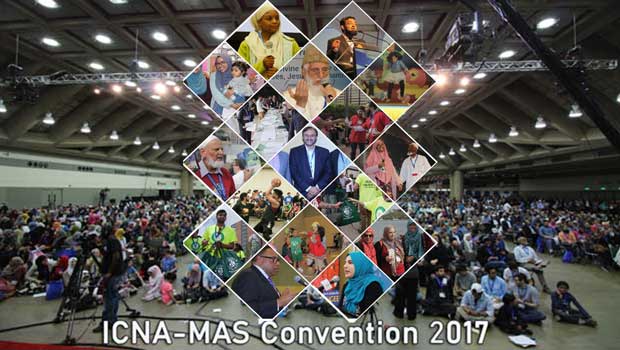
    A major change in dates did not deter ICNA-MAS convention attendees as more than 21,000 converged at the Baltimore Convention Center on Easter weekend, April 14-16, 2017, making a bold statement to the current administration in the nation’s capitol: we are Americans, we are here, and we belong.
    Every inch of the convention center was taken over, as buses brought attendees in from New York to North Carolina. Muslims from the DMV area also attended in large numbers. Catherine Pugh, mayor of Baltimore City gave the welcome address at the 42nd annual convention. Mayor Pugh and Baltimore County Executive Kevin Kamenetz received community service awards from Islamic Circle of North America leadership.
    The theme of this year’s convention was “Quest for True Success: Divine Message of Moses, Jesus and Muhammad (peace be upon them).” The dates were changed from the traditional Memorial day weekend to Easter weekend because of Ramadan. For 2018, the convention will run from the end of March, 30th-31st to April 1st.
    Dr Arif Mannan, of Columbia, Md. was an integral part of the planning team. “We thank all attendees who participated. We appreciate our sponsors who supported the convention. We owe our scholars and teachers who gave their time and energy to educate our young and old and we are in debt to our volunteers who worked tirelessly for months and at the event to make it comfortable and easy for the attendees and above all we are thankful to Allah for his mercy and blessings and pray that he accepts it all from us,” he related.
    Over 400 volunteers prepped and worked the event: from marketing to registration to hotel management. Maryam, 18, of Silver Spring, Md. was hanging out with friends in the bazaar after volunteering for two days. “I thoroughly enjoyed my time volunteering and reconnecting with old friends while benefiting from the lectures,” she said, expressing what several other attendees felt about their experience.
    With the assistance of Rashidun DC, Islamic Society of Potomac sponsored tickets and transportation for Muslim youth and elders from underserved areas of Washington D.C., giving them the chance to experience everything that a convention like ICNA-MAS has to offer.
    With the help of Bridge America, local Syrian refugee families were registered free of cost and ICNA arranged two buses to transport them. Many were driven to the center by Bridge America and John Hopkins MSA volunteers. On Saturday, after Quran recitations and nasheeds by children, Syrian refugee spoke for their ordeals after coming to the United States. Food for the meet and greet was catered by Aleppo’s Kitchen, a home cooked food business by Syrian women.
    Basboussa, a semolina dessert, and deliciously sticky, tender Syrian Stuffed Grape Leaves with a lemony and garlicky rice filling were on sale by Aleppo’s Kitchen at the halal food court in the parking lot of the Sheraton Hotel next to the convention center.
    The halal food court was set up with ten food vendors (nine were local) for both days and sold out of food by the end of the evening. Vendors needed a food license, insurance, and a two day permit to sell food at that location. “The food trucks were fantastic,” said Wisam, 17, who was attending with her family. Inside the convention center, Centerplate had exclusive rights and outside vendors were not allowed to sell food inside.
    Fuad Ndibalema aka SamosaMan set up his African natural food stall in the halal food court. Originally from Congo, settled in Vermont, he sells a variety of GMO-free samosas stuffed with everything from gooey steak and cheese to sweet and tangy Vermont apples.
    At the inner harbor, WHYISLAM, an ICNA initiative, conducted street dawah on a perfect spring day. 60 volunteers, led by Ustadh Fahad Tasleem, answered questions about Islam. Earlier in the day, they had taken a 90 minute dawah workshop.
    Sadaqah was big part of the weekend. 750 Blessing bags were distributed on Friday after Jummah and a thousand hot meals distributed after Zuhr on Saturday at 4 locations in Baltimore City by MSSA and ICNA Relief volunteers.
    Seniors like Nilofer Z. had her cholesterol and blood sugar levels checked at the ICNA Relief Health Table. A well attended Continued Medical Education course was arranged by IMANA.
    A career fair, immigration forum, and a blood drive by Red Cross were also held during the event. ”There was a waiting list and many were turned away,” noted Dr. Atif Nazir who led logistics for the blood drive.
    This year Muslim Nannies, a Muslimah owned business was hired to run the babysitting services for over 600 children. “[Most] parents were happy with Muslim Nannies’ structured play and games for kids. They were professional,” said Sr. Sumera Afzal, lead for Young Muslims Junior programming.
    All booths at the bazaar was completely sold out, with 450 vendors.
    Over 125 sessions, including spiritual, parenting, marriage, and activism tracks took place through the three days. For the first time ever, the main sessions were live streamed using Virtual Reality 360 degree cameras.
    Over 150 speakers, including for the first time young scholars, Shaykh Suleiman Hani, Imam Mikaeel Smith, and Imam Abu Taleb, formerly of the Muslim Family Center in Howard County, gave speeches, workshops and presentations over the course of the event. Breakout sessions in Malay and Turkish were added to existing ethnic sessions in Arabic, Bangla, Urdu, Spanish languages. “Next year, we are planning to add a Somali session,” said Waqar Haider, lead for ethinic programming. This year the sessions in Spanish were titled La Voz Latina (The Latino Voice). Attorney Wilfredo Amr Ruiz from CAIR Florida, Rahim Ocasio from Alianza Islamica, Jose Acevedo, from Al-Rahmah School, Jamal Abdul-Karim, Al Huda School and Nahela Morales were the voices who spoke on Latino Muslim issues.
    Elders from the Guyanese community in New Jersey came in a bus arranged by the ICNA masjid in their city. “Keeping in touch with our Muslim roots is very important,” said Fareeda, who sat with her friends drinking coffee next to the bustling bazaar. She pointed to her friend whose grandson was a hafiz, “We could have never imagined that a decade ago.”
    19 year olds, Imran and Abdullah, from Northern Virginia, said the convention was very beneficial. They liked the increase in social justice awareness in large part due to the influence of the ICNA Council of Social Justice. “It was empowering to see so many Muslims together in Baltimore after what been happening to the Muslim communities this past year,” said Imran.
    Abdullah wanted to see more African American women speaking. Convention featured over 17 speakers from the African American community. ICNA leadership states that it with continue to enhance the diversity of speakers next year.
    Several organizations collaborated to host their mini-events like Muslimmatters, IIIT, Noor Kids, Council on Islamic American Relations, Muslim Legal Fund of America, Muslim Social Services Agency and others. Programming was also hosted by ICNA entities like ICNA Relief, Helping Hands, WhyIslam, ICNA Sisters Wing, and Young Muslims.
    A new programming track for ages 10-14 was introduced and was well-attended. The Youth conference was packed and their sessions were a huge draw. Youth, such as Zaynub Siddiqui (ICNA Council of Social Justice) and Daniel Farrukh (Young Muslims), did moderate sessions and Heraa Hashmi, the young woman who compiled a list of more than 5000 condemnations against terrorism by Muslim leaders, spoke on the main stage. Wisam, a local 17 year old of Sudanese descent, had a lot of fun. “I loved seeing Ibtihaj Muhammad. I had a fangirl moment. I really liked how the lectures were very relevant to what’s happening right now in our society and how the speakers talked about how we should deal with these current events as Muslims.”
    Alongside the annual Quran competition, the first ever ICNA Master Chef competition was held. A super popular event, moderated by comedian Jeremy Mclellan. This was won by Sh. Abdool Rahman Khan and Samia Ebrahim. Former NBA star, Mahmoud Abdul-Rauf, was the special guest at a New Muslim panel.
    Jummah was led by the new ICNA President, Javaid Siddiqi, of Kentucky. His khutbah was about renewing the intentions of every speaker, attendee, volunteer, and vendor at the convention, solely to please Allah. ICMA programming made a conscious effort not to schedule speeches during salah times. Banners clearly marked the carpeted salah areas. Fajr was arranged at 10 different hotels and accommodated 1000 people in some hotels. Enhancing the salah experience at the convention was by design. “We spent thousands of dollars to make it comfortable for people to pray. The extra sound system, volunteers placing shoes in the plastic bags, all of it [brought] a lot of barakah,” remarked Junaid Qureshi, incharge for floor management.
    “Seeing Muslims from all walks of life and all ethnicity and seeing them eager to learn and rushing from one session to another or enjoying the company of each other in a comfortable environment was all worth the hard work of months,” shared Dr. Mannan with the Muslim Link. He gave homage to the volunteers, relaying many moments when unsung heroes worked late into the night.
    “It is a true mercy of Allah that he has made you and I, a Muslim,” concluded Javaid Siddiqi at the last session.
    “To me the goal of the event was to give all attendees the confidence in their Muslim Identity and to provide the tools so they can be beneficial to the community at large without any distinction of race, nationality or religion,” said Javaid Siddiqi.

    This article is an edited version reprinted from the Muslim Link newspaper, April 2017 issue.

    My ICNA-MAS Experience as a Biracial African Woman

    My name is Bilqis Adebayo-Olympio, I am a media professional and the co-founder of the Official Hijabi, a muslimah lifestyle media platform.
    All praise is due to Allah The Almighty, and great thanks to the organizers of this year’s ICNA-MAS convention for creating a platform that gathers together thousands of people from different parts of the world, for promoting unity, hope, and solidarity.
    For the first time ever, I attended the 42nd ICNA-MAS Convention at the Convention Center in the great city of baltimore DC alongside my husband and our toddler, and it was a really great personal and professional development opportunity and experience. According to the stats, over 22,000 people attended this event over two-days from different parts of the world. I see the ICNA Convention as a platform that really brings people together to learn, to grow, and to network with like minded individuals within our own industry – which is Islam.
    One of my favorite aspects of the convention was the level of organization, dedication and hard work that took place during the event. The flexibility of the programs and just the diversity of topics that were being treated by distinguished scholars, inspiring speakers, and community leaders was amazing. There is something for everyone. For every skill-set, every age-range, and every gender.
    The theme of this year’s convention was ‘Quest for True Success’. This is reminding us as muslims to go back to the basics. What it takes to live a life of principle, a life of ethics, a life of morality, a life of value, a life that one will be proud to live and meet with Allah SWT on the day of judgement.
    When you’re around so many muslims, it inspires you to be a better person. I felt this boost in my Iman and it was absolutely needed especially with the blessed month of ramadan coming up, it was the perfect time to rejuvenate and reflect about my purpose in this world.
    I was also surprised at the beauty of the bazaar, never have I seen so many muslim vendors come together in one place to create more awareness about their brands. There was so much to see, buy, and contribute to. From hand painted ceramic wares, amazing quality modest outfits, to uplifting causes, charity, and relief programs. I was also able to meet and interact with some of my favorite personalities I’ve known over the years from social media.

    Invest in the Greatness of One Another

    By Kulsum Shaikh

    I had the opportunity to attend the ICNA-MAS conference that took place in Baltimore Maryland recently. One of the sessions that resonated the most with me was the keynote session. There were many remarkable individuals that spoke during this session, including a Native American convert named Louis Butcher Jr., ICNA President Javed Siddiqi, Imam Siraj Wahhaj, Shaykh Yasir Qadhi, and Shaykh Omar Suleiman. Even though all of these individuals had many gems to share, it was Shaykh Omar Suleiman’s speech which left the greatest impact on me. His speech focused on the idea of investing in one another — or, rather, our lack of investing in one another.
    Sh. Suleiman raised the point that we love to celebrate individuals who have reached various levels of success. However, when it comes to people who are struggling, too often are we quick to dismiss them. As soon as they make it “big”, we want to jump on the bandwagon and celebrate them and their “greatness”.
    We are not involved in the process of making them great. Instead, we wait for the finished product. He even provided a surprising example in Malcom X: Today, we celebrate him. But if he were actually alive, many would choose not to associate with him. I believe that Sh. Suleiman touched on the surface of something much deeper. He touched on our ummah’s tendency to kill dreams. (Abridged version)

    Valuing Their Critical Diversity?

    By Yamil Avivi Garcia

    I attended the Islamic Circle of North America (ICNA) conference in Baltimore, Maryland on the weekend of April 14-16. This is the second time I attended; in 2011, I attended Hartford’s ICNA conference in Connecticut. ICNA organizes a national conference that brings together U.S. Muslims from all walks of life. It draws a diverse pool of Muslims across race, class, and ethnicity. Muslims of different cultures from the Middle East, Africa, South and Southeast Asia, the United States and Latin/o America are present to reflect their lives in the U.S through an abundance of panels. Along with the immense diversity the conference draws from the U.S. Muslim community, organizers use the conference to reflect on ethnicity-specific dynamics. Latino/a Muslim leaders organized a three–panel segment entitled “La Voz Latina” (The Latino Voice), which engaged Latino/a Muslims in Spanish and raised cultural issues concerning Latino/a identity within and outside the Muslim community.
    During my participation at ICNA in Baltimore, I felt a new challenge to close the gap between Latino/a Muslims and Latino/a Christians. It was passionately articulated in a way that was not on the agenda in Hartford, which was refreshing. Years ago, in an earlier moment for recently converted Latino/a Muslims, Hartford represented an astounding accomplishment in which leaders engendered a national awareness of a substantially growing Latino/a Muslim population that subsequently organized conference panels around the distinction and solidarity of this ethnicity. Now, years later, the Latino/a Muslim community has continued growing after the momentous launch of the first Latino and Spanish language centered mosque in Houston, Texas. While several of the topics around identity, pride, and empowerment were comparable in Hartford’s and Baltimore’s conferences, not losing likeness with Christian Latinos/as and preserving and enhancing cultural citizenship and pride as Latinos/as was an important thread throughout the discussions of all the panels. Unlike in Hartford, older and newer Latino/a Muslim leaders came together to stimulate organizing around mutual cultural legacies and the current social and institutional needs of Christian Latinos/as and other black and brown ethnics in this Hispanophobic, Islamophobic, and xenophobic Trump Era moment.
    During the sessions, I felt more connected than ever before as an ally among the Latino/a Muslim leaders and their message to Latino/a Muslims at ICNA to not completely dismiss their Christian Latino/a heritage and origins.
    (Abridged version)

  • Un-Islamic, Radical Terrorists: A Tool for Election Hype

    Un-Islamic, Radical Terrorists: A Tool for Election Hype

    Neighbors were frightened of Mohamed Lahouaiej-Bouhlel, the man who plowed a truck into a celebratory crowd in Nice, France, killing more than 80 people and injuring over 200. People who knew him explained that he was anything but a devout Muslim. He had a record of petty crime, often displayed unrestrained bouts of anger, drank alcohol, used drugs, and neglected to pray or fast. Bouhlel, in recent times, was convicted of assaulting a motorist, and abused his estranged wife. In fact, he had a history of mental illness documented by visits to psychologists in Tunisia. What remains unclear is whether or not he had any direct links to terrorist networks.

    Inflammatory speech invariably has a negative impact on the unity of our nation

    Gunman Omar Mateen, who opened fire inside a nightclub in Orlando Florida, had a long history of behavioral problems, documented by school records over the years. He was expelled, arrested and eventually enrolled in an alternative high school after numerous fights in which he injured other students, and what one of his teachers noted as his “inability to show self-control.” According to witness Patience Carter, who survived the Orlando rampage, Mateen announced his motive as he murdered club-goers, saying he wanted “Americans to stop bombing his country.” His parents were originally from Afghanistan.

    Richard Reid, also known as “the shoe bomber,” attempted to take down an American Airlines passenger plane in 2001 by igniting explosives contained in his shoes. Upon his arrest, he told officials conducting his interrogation, “Your government has sponsored the torture of Muslims in Iraq and Turkey and Jordan and Syria with their money and weapons. It’s in your hands.” Like the others, Reid had a history of delinquency and criminal offences. When he was born, his father was absent, having been incarcerated for car theft. After dropping out of school at the age of 16, Reid pursued a life of crime, often winding up in prison himself.

    “Do you think that you will enter Paradise without such [trials] as came to those who passed away before you? … Yes! Certainly, the Help of God is near!” (Quran 2:214)

    ISIS entry form documents of roughly 4,000 foreign recruits recently released to the Associated Press prove what Muslims have been saying for years. In an August 19 article in the Times of Israel, the authors note that the terrorist organization known as ISIS, “preys on those with minimal connection to Islam, because the more they know the less likely they are to endorse its methods.” Recruiting members largely ignorant of Islamic teachings, allows extremist organizations to indoctrinate them with a distorted version of Islam, designed to help advance its aggressive territorial expansion and slaughter of innocent men, women, and children.

    Compulsive Use of Misnomer: ‘Islamic’ Terrorism

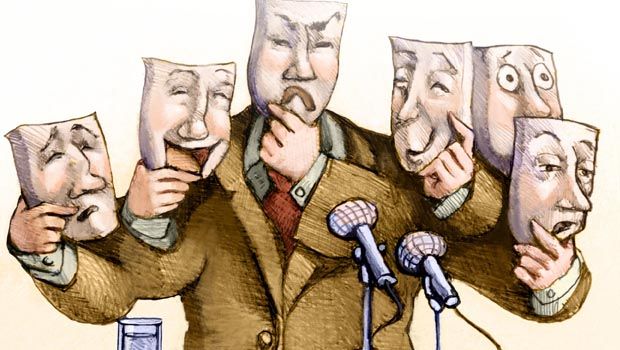
    According to these and many more examples, it appears that an overwhelming number of terrorists display similar characteristics: ignorance and lack of devotion to Islam, mental illness, recurrent criminal behaviors, and violence towards innocent people. They are motivated – not by religion – but by geopolitical grievances and a thirst for vengeance. Despite these glaring facts, and their availability to the public, we continue to witness the term “Islamic” consistently being attached to heinous terrorist crimes and their perpetrators.

    Certain politicians, TV personalities, and pundits help form public sentiment surrounding attacks, branding them as “Islamic” while the shock and horror are fresh, and details that undermine the “Islamic terror” narrative are yet unavailable. Information acquired in the investigations following attacks, in most of the cases, tends to paint an entirely different picture: individuals with a criminal history and psychological and behavioral issues, who are motivated by anger and driven by very real and disturbing geopolitics.

    The confidence with which the initial speculations were presented, and the subsequent time that elapses in which people return to their daily routines, inevitably renders subsequent investigations and analysis far less newsworthy. The lack of sensation and inconsistency with the favored theme of “Islamic terror” renders almost inconsequential the ensuing findings such as non-existent religiosity, lack of clear ties to terrorist networks, no overtly political motivations, records of criminal activity, and/or histories of mental health problems.

    A Tool for Election Hype

    While we can’t always assume that the statements made by political candidates are intentionally misleading, this election season is a perfect example of disinformation about Islam and Muslims being used for political gain. From the inflammatory rhetoric of reality star and now presidential candidate, Donald Trump, to the attempts to garner attention by former Republican Speaker of the House Newt Gingrich, we are seeing a lot of very strong words being thrown around without much concern for the real consequences they have for average Muslim citizens. And inflammatory speech invariably has a negative impact on the unity of our nation. Polarizing rhetoric such as Trump’s infamous call for Muslims to be banned from entering the United States, and his blanket (and frequently grammatically challenged) statements like “I think Islam hates us,” have done more than raise eyebrows.

    Newt Gingrich, on national television went so far as to say, “Western civilization is in a war. We should frankly test every person here who is of Muslim background and if they believe in sharia, they should be deported. Sharia is incompatible with Western civilization.” Statements like these have proven to elicit intense levels of bigotry, hatred, and violence that have apparently been pent-up in a portion of the American electorate.

    The Pressure of Polarization

    These alarmist calls from powerful people to equate Islam with terrorism urge the general populations of Western countries to associate all Muslims with violence and danger, thus engendering distrust and fear of all things Islamic. Consequently, we are seeing an unprecedented rise in crimes against Muslims in the United States and elsewhere ranging from verbal abuse and discrimination to physical assaults, and sadly, hate-motivated murder. We can sense the increasingly negative sentiments in our neighborhoods and communities. Many of us feel awkward, ashamed, and even frightened to go to public places immediately after tragedies such as the recent attacks in France, San Bernardino CA, and Orlando FL. The pressure may be felt even more by those of us who outwardly appear to be Muslim, primarily women who cover and men who choose to wear ethnic clothing and kufis.

    David Lisnard, mayor of Cannes in southern France, fueled controversy with incendiary statements regarding Muslim women who choose to go swimming, yet insist on covering their bodies while doing so. Referring to a ban on Muslim swimwear he said, “I simply forbid a uniform that is the symbol of Islamic extremism.” Thierry Migoule, Cannes’ head of municipal services, echoed the mayor’s sentiments, saying, “We are not talking about banning the wearing of religious symbols on the beach… But ostentatious clothing, which refers to an allegiance to terrorist movements which are at war with us.” Yes, they both just said that any Muslim woman who chooses to cover her body while swimming is displaying support for terrorism and extremism. Do they hope to force Muslim women to acquiesce to their standards of fashion and stop standing out so confidently in their voluntary modesty? Whatever it is behind those words, the result is the same: an increasingly polarized population, pitting the general population against Muslims.

    These politicians have whitewashed the complexity of reality and presented a simplistic picture to the public: good vs. evil – and they are defining what means good and what means evil. People are afraid for their lives, for their futures. These politicians are capitalizing on that fear and telling all of us: choose a side – or else. This, in turn causes innocent people to appear guilty.

    The Heat is On

    Being under constant suspicion can cause individuals to feel guilty – even when totally innocent. Dalia Mogahed explained how she felt after 9/11, saying, “Not only had my country been attacked, but in a flash, somebody else’s actions had turned me from a citizen to a suspect… for the first time in my life, [I was] afraid for anyone to know I was a Muslim.” This guilt by association is advanced and reinforced by few, but very loud voices. After the Nice attacks, Kelvin Mackenzie, a columnist from the UK’s Sun newspaper, wrote a controversial column questioning why a “young woman wearing a hijab” had been allowed on television to report on the attack in Nice. He was horrified that the reporter, Fatima Manji, was visibly Muslim. He asked. “Was it appropriate for her to be on camera when there had been yet another shocking slaughter by a Muslim?”

    Avoiding the Herd Mentality

    More than one-third of those killed by the attacker in Nice were Muslims. According to a report published by the Counter Terrorism Center at the US Military Academy, Al-Qaeda kills over seven times more Muslims than non-Muslims. The majority of ISIS’ victims are Muslims. If it’s offensive for a Muslim to report a terror attack on television, is it also offensive for us to mourn our dead? We have to reject this idea outright and think critically: was it wrong for a Christian to report on the murder of Dr. George Tiller by anti-abortionist terrorist Scott Roeder in 2009, or the Centennial Olympic Park bombing in 1996 by Eric Rudolph who had ties to the white supremacist “Christian Identity” theology and movement? In fact, both Roeder and Rudolph had ties to another Christian terrorist group, The Army of God. To suggest that a Christian reporter should not cover a terror act committed by a fellow Christian is clearly, easily, and immediately recognized as preposterous.

    In the face of this monumental and growing problem, I refuse to allow others to determine how I feel about myself. As Muslims, we have to be the masters of our own thoughts and allow no one to convince us we are guilty by association due to our faith. That our modest attire or names or beards are incriminating, that the word “Islamic” must appear next to its antithesis, terrorism… No! The Quran differentiates between human beings who reason and those who follow the crowd without intelligent thought: “Or do you think that most of them listen or use their reason? No, they are but like cattle. Rather, they are even less conscious of the right way” (Quran 25:44).

    Fighting Doubts

    Prophet Muhammad said, “The people will see a time of [much-needed] patience in which someone adhering to his religion will be as if he were grasping a hot coal” (Tirmidhi). It’s becoming clearer that this applies to our current time. Some of us feel like giving up. Being under constant scrutiny, guilt-tripped, cursed at, ridiculed, and hated – it is exhausting. It might appear easier if we just took our headscarves off, shaved our beards, and changed our names. The thing is, though, the solution is in the same hadith – the heart of the issue — that we adhere to our faith. Letting go of it will never lead us to success or ease.

    We’ve Got a Choice to Make

    It’s election season. Time to make a decision. And while it’s important to exercise your right at the polls, there’s an even more important choice to make, right now. Allah says, “The truth is from your Lord, so whoever wills – let him believe; and whoever wills – let him disbelieve” (18:29). Our akhirah is waiting and the choices we make today will be there for us to see, either as witnesses against us or in our favor. It helps to remind ourselves again and again:

    “Do you think that you will enter Paradise without such [trials] as came to those who passed away before you? … Yes! Certainly, the help of God is near!” (Quran 2:214). All of this life is intended to be a test. If it weren’t this or that test, it would be something else. So, remember the advice of Jacob to his sons, “Despair not of relief from God. Indeed, no one despairs of relief from God except the disbelieving people” (Quran 12:87).

    All the Information We Need

    It’s about time that we turn off our TVs, sign out of our social media accounts and turn to the Quran. The Quran provides the bigger picture and lays out a plan for the future – putting everything into proper perspective: “So be patient. Indeed, the promise of God is truth. And ask forgiveness for your sin and exalt with praise of your Lord in the evening and the morning. Indeed, those who dispute concerning God’s signs without authority having come to them – there is not within their hearts except pride, [the extent of] which they cannot reach. So seek refuge in God. Indeed, it is He who is the Hearing, the Seeing” (Quran 40:55-56).

    Allah’s plan is geared towards our success, if we choose to follow it. With Allah’s help, we can make our ummah great again. “O you who believe! Persevere in patience and constancy; vie in such perseverance; strengthen each other; and fear Allah that you may be successful” (Quran 3:200).
  • Helping Hand (HHRD) Strengthens Muslims in Mexico

    Helping Hand (HHRD) Strengthens Muslims in Mexico

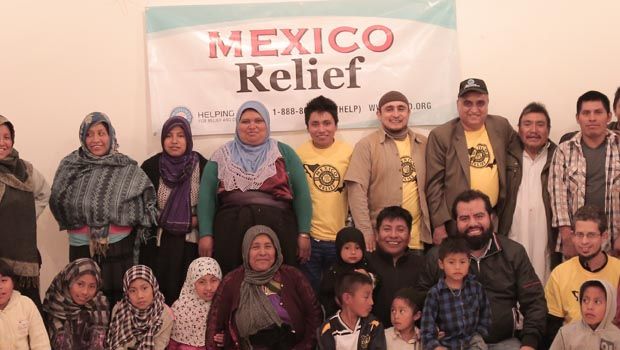
    While most children his age attend school fulltime, our young brother Nooruddin spends many of his days making sweet desserts to sell on the streets of Mexico City. Each batch takes him three hours to prepare. Once the desserts are finished, he cools and wraps them to sell for a small profit of 15 pesos each, about $1USD. On a good day, he can sell 30 desserts, earning about $30 to help his father, who suffers from heart problems, provide for their family. Nooruddin and his family are among a growing minority of Mexicans who have come to accept Islam as their religion, and like millions of other people across Mexico, poverty is their way of life.

    Helping Hand for Relief and Development (HHRD) is one of the few Islamic NGOs focusing attention on aiding Muslim families in Mexico with long-term relief and development programs. Since 2012, HHRD has been working in various parts of Mexico to aid families with food packages including Zabihah compliant meals and Ramadan iftars, diabetes screening programs, school supplies, and gift bags for children. “I don’t know if maybe the impression is that Muslims in Mexico are self-subsidized and self-supporting, but it’s not true,” said the Libyan Ambassador to Mexico, Muftah Altayar.

    According to a 2009 PEW report, the number of Muslims in Mexico is approximately 110,000, accounting for less than one percent of the total population. However, by the mercy of Allah and then the outreach efforts of both Mexican and immigrant Muslims, Islam in Mexico is spreading. “Alhamdulilah, in Mexico it is very easy to talk in the universities and the high schools. They invite us to talk about Islam because the people really want to learn about Muslims,” said Imam Isa Rojas, the first Mexican graduate of the Islamic University of Medina, Founder of the Al-Hikmah Center in Mexico City, and active caller to Islam in Mexico. “The people want to know about Islam because they don’t have a negative opinion about Muslims like they do in Europe or perhaps in the United States.”

    Mexico City, the bustling capital located in the center of the country, has upwards of 3,000 Muslims living within its borders, many of whom are converts. In the Southeast region of Mexico lays the Free and Sovereign State of Chiapas. It is a lush and culturally rich land with an estimated 100-300 Mexican converts to Islam who have established a small but growing Muslim community in the city of San Cristobal de las Casas. However, many of the brothers and sisters in this area struggle with basic necessities such as job security, education and healthcare.

    While in Chiapas this past year, HHRD volunteers were given a tour of the community by Brother Yahya Gómez, one of the prominent Mexican converts to Islam and activists in Chiapas. The homes were simple structures of wood plank walls and metal sheet roofs, made to house only a few people. However, it was not uncommon to see extended families of 15 or more relatives living together in the same space. Men in the community can only secure work as manual laborers, if they are able to find work at all.

    “It’s in very bad shape. You have a few families living in one house. It’s more a kind of temporary shelter; I cannot say it is a house. It needs renovation… I say they need a new house in its place,” said HHRD International Program Director, Irfan Khurshid, when he witnessed the poor living conditions.

    For only $27,000 per home, HHRD’s Home Renovation and Building Project can provide for current homes in Chiapas to be upgraded or completely redone to provide safer, more spacious homes for growing families, including all necessary plumbing, electric, and construction costs. Some homes will even be completely rebuilt in safer neighborhoods that are closer to the local masjid.

    To further aid Muslim families in Chiapas, HHRD is implementing a Micro Finance Initiative that will provide interest-free small business loans to individuals with the ambition to become self-sustaining. With small loans ranging from $1,500 to $4,000, participants in the program can learn skilled trades and begin to operate their own businesses in the fields of carpentry, sewing, baking, or auto mechanics to help raise themselves and their families out of poverty.

    “This micro financing project is so amazing because it takes a simple donation, you know somebody can give $1,000 or $2,000 to help a Muslim start up a company,” said Boonaa Mohammed, a volunteer who recently traveled with HHRD to Chiapas. “It will take that money and allow them to buy whatever necessary tools are mandatory for the specific trade. It will give them the bare minimum. And then once they have actually been able to become successful in their trade and they have that money, they give it back to the charity which then gives it back to another Muslim that wants to, again, prove themselves through a trade.”

    HHRD is also in the process of establishing a Skills and Vocational Training Center in Chiapas to assist unemployed individuals gain the education and training needed to earn steady and halal sources of income. “In this center we can teach them different skills and they can learn a trade so that they can start their own business or find different jobs,” said Khurshid. “This will help them economically and will help them educate their children because many of the children from these unemployed and low income families have not had access to an education.”

    In addition to these large scale development projects, HHRD is also in the process of starting an In-Kind Gift Program to provide immediate necessities to families in Chiapas, Rosarito, and Mexico City, as well as an Educational Support Program where donors can sponsor a child for only $1 per day to help provide them with necessary school supplies.

    “Often times, in North America, when we look at converts and reverts, there are so many difficulties they have integrating within our Muslim communities,” said Mohammed. “Now imagine a community of reverts and converts trying to integrate into a non-Muslim society that doesn’t have a strong basis of Islam for them to fall back on. It is imperative that we offer our support in whatever way that we can and know that whoever gives for the sake of Allah, subhana wa ta ala, the sadaqa will never go to waste.”

    To get involved with Helping Hand for Relief and Development programs in Mexico, visit their website www.hhrd.org, contact info@hhrd.org, or call 1-888-808-HELP (4357).

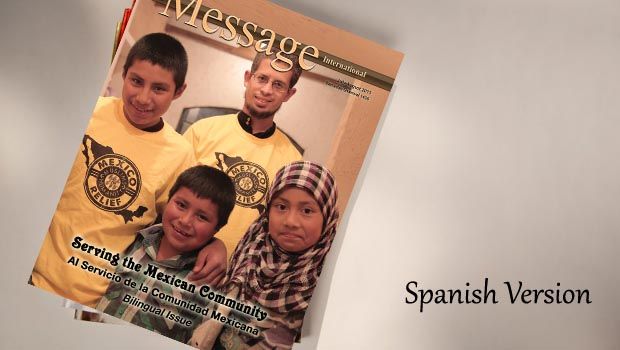
  • Al Servicio de la Comunidad Mexicana

    Al Servicio de la Comunidad Mexicana

    Hace solo cuatro años que el primer informe fue escrito acerca del Proyecto WhyIslam en México, pero mucho ha ocurrido desde entonces. La campaña mexicana comenzó con un deseo de repartir ropa islámica y literatura a una comunidad creciente en la Ciudad de México llamada Centro Al Hikmah. Siete organizaciones se unieron para contribuir a la causa, donando todo lo necesario. Durante su vacación, Nahela Morales, una conversa mexicana, distribuyó los artículos a la comunidad islámica en junio de 2012. El viaje tuvo tanto éxito que se convirtió en un esfuerzo anual.

    El interés aumentó cuando personalidades muy conocidas como Nouman Ali Khan, Omar Suleiman, y Boonaa Mohammed respaldaron los proyectos en México. En 2013, Nouman Ali Khan viajó al estado mexicano de Chiapas, al pueblo de San Cristobal de las Casas, como parte del segundo viaje de divulgación en México. Se conmovió tanto al ver las condiciones de vida tan pobres en las que viven las familias musulmanas indígenas, que decidió filmar un recorrido de un hogar típico, una estructura humilde hecha de paredes de madera cubiertas en plástico para que no entre la lluvia, un techo de chapa, y piso de tierra. El video fue lanzado en el canal de YouTube de WhyIslam y lo han visto más de 215.000 personas.

    La meta para ese año era comenzar planes para renovar la mezquita, Al Kauthar. A través del uso de medios de comunicación y campañas para recaudar fondos, Morales logró reunir más de $30.000 para el material islámico y alimentos a distribuir durante el mes de Ramadán, y el proyecto de renovación para la mezquita. Sin embargo, las metas futuras eran ofrecer apoyo continuo a las familias necesitadas en este sector y proporcionar renovaciones a sus casas. Esto provocó planes para establecer un capítulo de Mano Amiga para la Ayuda y el Desarrollo en México, o HHRD (Helping Hand for Relief and Development).

    En 2014 Boonaa Mohammed viajó con HHRD y un equipo de grabación a México para producir documentales que llaman la atención necesaria a esta causa.

    El Profeta Muhammad, la paz sea con él, una vez aconsejó a Aisha cuando ella deseaba ofrecer un regalo a un vecino; le dijo que debía dar “a aquel cuya puerta está más cerca a la tuya”. La idea de ayudar a nuestros hermanos y hermanas en México nace de este consejo, siendo que México es uno de solo dos países que comparte una frontera con los EE.UU. También es el país más grande de América Latina con la población musulmana más pequeña. Sin embargo, los musulmanes están creciendo en número y necesitan ayuda. Alhamdulillah, hemos sido bendecidos con la capacidad de ayudar a nuestros hermanos por lo que pedimos su continuo apoyo y oraciones.

    Esperamos que ustedes disfruten leer algunos relatos y artículos informativos de nuestros hermanos y hermanas de México y de habla hispana, y que también los recuerden en sus oraciones. YazakumAllahu khaiyran.


  • Serving the  Mexican Community

    Serving the Mexican Community

    It was only four years ago that the first story about WhyIslam in Mexico was written, but many exciting events have transpired since then. The Mexican campaign began with a desire to deliver Islamic attire and literature to a growing community in Mexico City, Al Hikmah Center. Seven organizations joined forces to contribute to the cause, donating everything from Islamic CDs to siwaks. During her vacation, Nahela Morales, a Mexican convert, distributed the items to the Islamic community in June of 2012. The trip was so successful that it became an annual effort and each year expanded to cover more than five cities within the country.

    Interest really took off when well-known lecturers and personalities such as Nouman Ali Khan, Omar Suleiman, and Boonaa Mohammed endorsed the projects in Mexico. In 2013, Nouman Ali Khan even traveled to the Mexican state of Chiapas, to the Islamic village in San Cristobal de las Casas, as part of the second annual dawah trip to Mexico. He was so moved by the poor living conditions of the indigenous Muslim families that he filmed a video tour of a typical home, a humble structure with walls made of planks and plastic covering to keep out the rain, a tin rooftop, and a dirt floor. The video was released on WhyIslam’s YouTube channel and has over 215,000 views.

    The goal for that year was to begin plans to renovate the town’s masjid Al Kauthar. Through the use of social media and fundraising campaigns, Morales was able to gather over $30,000 for Islamic material and food for distribution during Ramadan, and the masjid renovation project. However, future goals were to offer continuous support to needy families in this sector and to provide home renovations and reconstructions. This sparked plans to launch Mexico Relief Project by Helping Hand for Relief and Development.

    In 2014 Boonaa Mohammed traveled with HHRD and film crews to Mexico to produce documentaries that bring the necessary attention to this cause.

    The Prophet Muhammad, peace be upon him, once advised Aisha when she desired to offer a gift to a neighbor, that she should give, “to the one whose door is nearer to you.” The idea of helping our brothers and sisters in Mexico is one that stems from neighborliness, in the sense that Mexico is one of only two countries which share a border with the US. It is also the largest Latin American country with the smallest Muslim population; however, the Muslims are growing in number and need assistance. Alhamdulillah, we have been blessed with the ability to aid our brethren so we ask for your continued support and prayers.

    We hope that you will enjoy reading some stories and informative articles from our Mexican and Spanish-speaking brothers and sisters, and that you will also remember them in your prayers. JazakumAllahu khaiyran.

  • Dando una mano para fortalecer las comunidades musulmanas en México

    Dando una mano para fortalecer las comunidades musulmanas en México

    Mientras la mayoría de niños de su edad asisten al colegio, el joven Nurudin pasa una mayor parte de sus días preparando postres para vender en las calles de México D.F. Cada bandeja le toma tres horas para preparar. Cuando los dulces están listos, los deja enfriar para poder envolverlos y venderlos, esperando ganar 15 pesos por cada uno, lo que equivale a 1 dólar. Si le va bien, en un día puede vender 30 postres, ganando unos $30 para ayudar a su padre, quien sufre de problemas del corazón, mantener a su familia. Nurudin y su familia son parte de una creciente minoría de mexicanos que han aceptado el Islam como su religión, y como millones de otras personas en México, la pobreza es su forma de vida.

    Helping Hand for Relief and Development o Mano amiga para la ayuda y el desarrollo (HHRD) es una de las pocas organizaciones no gubernamentales musulmanas enfocando su atención en asistiendo a familias en México con programas de ayuda y desarrollo a largo plazo. Desde el 2012, HHRD ha estado trabajando en varias partes de México para ayudar a las familias más necesitadas con paquetes de alimentos incluyendo comidas que cumplen con las normas de Zabihah y cenas para Ramadán, programas de detección de diabetes, útiles escolares y bolsas de regalos para los niños.

    “Yo no sé si quizás la impresión es que los musulmanes en México son auto-subvencionados y autoportantes, pero esto no es el caso”, dijo el embajador de Libia ante México, Muftah Altayar.

    Según el informe de PEW 2009, el número de musulmanes en México es aproximadamente 110.000, lo que representa menos del uno por ciento de la población total. Sin embargo, por la misericordia de Alá y luego los esfuerzos de divulgación de ambos musulmanes mexicanos e inmigrantes, el Islam en México está creciendo.

    “Alhamdulilah, en México es muy fácil hablar en las universidades y las escuelas secundarias. Nos invitan a hablar acerca del Islam porque la gente realmente quieren aprender de los musulmanes “, dijo Imam Isa Rojas, el primer graduado mexicano de la Universidad Islámica de Medina, fundador del Centro Al-Hikmah en la Ciudad de México, y un activo llamador al Islam en México. “La gente quiere conocer el Islam, ya que no tienen una opinión negativa de los musulmanes como lo tienen las personas en Europa o tal vez en los Estados Unidos.”

    La Ciudad de México, la bulliciosa capital situada en el centro del país, cuenta con más de 3.000 musulmanes que viven dentro de sus fronteras, muchos de los cuales son conversos. En la región Sureste de México se encuentra el Estado Libre y Soberano de Chiapas. Es una tierra fértil y culturalmente abundante con aproximadamente 100 a 300 conversos musulmanes mexicanos que han establecido una pequeña pero creciente comunidad islámica en la ciudad San Cristóbal de las Casas. Sin embargo, muchos de los hermanos y hermanas en esta área luchan para obtener necesidades básicas como la estabilidad laboral, educación y asistencia médica.

    Durante su visita a Chiapas este año pasado, los voluntarios de HHRD pudieron recorrer la comunidad, dirigidos por el hermano Yahya Gómez, uno de los muchos conversos al Islam mexicanos y activistas en la ciudad de San Cristóbal de las Casas. La mayoría de los hogares eran simples estructuras con paredes de madera y techos de chapa, hechos para albergar a sólo unas pocas personas. Sin embargo, es común ver a familias con 15 parientes o más viviendo juntos en un mismo espacio. Los hombres de la comunidad sólo pueden conseguir trabajo como obreros, si son capaces de encontrar empleo.

    “Está en muy mal estado. Hay algunas familias que viven en una misma casa. Es más como un refugio temporal; Yo ni puedo decir que es una casa. Necesita una renovación… Creo que necesitan una nueva casa en su lugar “, dijo el Director del Programa Internacional HHRD, Irfan Khurshid, mientras observaba las pésimas condiciones de vida.

    Por tan sólo $ 27.000 por cada casa el Proyecto de Construcción y Renovación de Hogares de HHRD puede permitir que las viviendas actuales en San Cristóbal de las Casas sean remodeladas o completamente reconstruidas para proporcionar un lugar más espacioso y seguro para que las familias crezcan. Esto incluye los costos de toda la tubería necesaria, electricidad y construcción. Algunas casas serán incluso totalmente reconstruidas en vecindarios más seguros cerca de la mezquita local.

    Para contribuir aún más a las familias musulmanas en Chiapas, HHRD está implementando una iniciativa de Micro Finanzas que proporcionará préstamos para pequeñas empresas sin intereses a los individuos con la ambición de tener su propio negocio y ser autosuficientes. Con pequeñas donaciones que van desde $ 1.500 a $ 4.000, los participantes en el programa pueden aprender un oficio y comenzar a operar sus propios negocios en las áreas de carpintería, costura, panadería, y mecánica automotriz para ayudar a aliviarlos y a sus familias de la pobreza.

    “Este proyecto de financiamiento microempresas es tan sorprendente, ya que toma una simple donación, alguien puede dar $ 1.000 o $ 2.000 para ayudar a un musulmán poner en marcha una empresa” dijo Boonaa Mohammed, un voluntario que viajó recientemente con HHRD a Chiapas. “Va a tomar ese dinero y les permite comprar lo que sea necesario, las herramientas necesarias para el oficio específico. Se les dará lo mínimo. Y luego, una vez que hayan logrado tener éxito en su oficio y tienen ese dinero, dan de nuevo a la caridad, que luego da de vuelta a otro musulmán que quiere, una vez más, demostrar su valía a través de un comercio. “

    HHRD también está en el proceso de establecer un Centro de Entrenamiento Vocacional en San Cristóbal de las Casas para ayudar a los desempleados a obtener la educación y la capacitación necesaria para obtener fuentes de ingresos estables y licitos.

    “En este centro les podemos enseñar diferentes habilidades y ellos pueden aprender un oficio para que puedan iniciar su propio negocio o encontrar diferentes puestos de trabajo”, dijo Khurshid. “Esto les ayudará económicamente y les ayudará a educar a sus hijos, porque muchos de los niños de estas familias de bajos ingresos y desempleados no han tenido acceso a una buena educación.”

    Además de estos grandes proyectos de desarrollo a gran escala, HHRD también está en el proceso de iniciar un programa de donaciones en especie para proveer las necesidades inmediatas a las familias en San Cristóbal de las Casas, Rosarito, y la Ciudad de México, así como un Programa de Apoyo a la Educación donde los donantes pueden apadrinar a un niño por sólo $ 1 al día para ayudar a proporcionarles el material escolar que necesiten.

    “Muchas veces, en Norteamérica, cuando miramos a conversos, hay tantas dificultades que tienen para integrarse en nuestras comunidades musulmanas”, dijo Mohammed. “Ahora imagina una comunidad de conversos que tratan de integrarse en una sociedad no musulmana que no tiene una base sólida del Islam para apoyarlos. Es imperativo que ofrezcamos nuestro apoyo en todo lo que podamos sabiendo que quien da por la causa de Alá, glorificado y alabado sea, su caridad no se desperdiciará”.

    Para involucrarse en los programas de HHRD en México, visite su página www.hhrd.org, contacte info@hhrd.org, o llame 1-888-808-HELP (4357).


  • De Mexico a Medina: La Historia de Rafael

    De Mexico a Medina: La Historia de Rafael

    Mi interés en el islam nació cuando apenas tenía 17 años. Comencé a leer el Corán en español desde mi computadora y lo termine completamente, alhamdulillah. Aunque inicialmente mi intención era común, simplemente por leerlo sin interés en particular, desde el principio supe que no se trataba de un libro común y corriente como cualquier otro que había leído antes. Pues desde la primera página se hacían agradecimientos y se engrandecía a Dios de una manera especial y distinta a lo que yo estaba familiarizado. Seguía leyendo y tenía una sensación extraña, sin afán de exagerar sentía mucha paz y tranquilidad cuando me sentaba frente a mi computadora a leerlo, contemplando verso por verso.

    Siempre me ha gustado la ciencia, y me impresionó que muchos hechos demostrados científicamente en los últimos siglos aparecieran en el Corán. Hechos como la teoría del Big Bang, la expansión del universo, la composición de la tierra y del espacio, los procesos embrionarios, entre muchos otros; los identifiqué y me asombró que estaban descritos de una manera entendible para cualquier persona con cualquier nivel de educación. Además, encontré al Corán completo en cuanto a regulaciones familiares, sociales, militares, en asuntos de justicia, de creencia, de modales… en fin, de todo. Entonces no demoré prácticamente nada en aceptar que el Corán no era sino revelación divina y decidí aceptar el Islam.

    En un día feriado de mi país, que luego me enteré coincidía con la noche número 27 de Ramadán, tomé la bicicleta de mi padre para ir al lugar donde los musulmanes de mi ciudad se reunían. Aunque estaba lejos de mi casa y tuve que pasar por lugares peligrosos para llegar hasta allá, todo resultó perfecto. Hice mi Shahada (el testimonio de la fe) y me trataron de manera excelente. Me regalaron un tapete para rezar y libros. Todo lo escondí bajo mi playera para que mis padres no supieran cuando llegué, luego de media noche. Mi familia, que es católica, no supo de mi conversión al Islam hasta un par de años después, pues escondía signos de mi cambio. Sin embargo ya notaban algunas diferencias en mí, como cuando me escondía a ciertas horas para rezar mis cinco oraciones y no comía ni tomaba todo lo que ellos preparaban.

    Después de mi Shahada, he sido muy bendecido, y noto que ciertamente Alá es Quien escucha las súplicas, pues cada una de las cosas por las que llego a quejarme, o que necesito, recibo más de lo necesario desde que pongo mis asuntos en manos de Alá.

    Alhamdulilah, tuve la oportunidad de asistir a la Universidad Islámica de Medina en Arabia Saudita, donde estudié por alrededor de 1 año. Pude aprender a leer el Corán en árabe, y aprendí un poco del idioma cuando había llegado sin saber si quiera las letras del alfabeto árabe. Allí conocí excelentes personas quienes exhortan e invitan al bien y a practicar el Islam de la mejor manera cada vez. Además del conocimiento que uno obtiene, que realmente es invaluable, recibí la herencia de los profetas, la motivación para enseñar a los demás acerca del Islam.

    También tuve la ventaja de conocer bonitos lugares. El simple hecho de visitar una mezquita ya era de gran valor para mí, pues en mi ciudad no contamos con ninguna. Y ¿qué mejor que llegar a la ciudad que acogió a nuestro amado Profeta Muhammad, que la paz sea con él, y después tener la posibilidad de realizar el Hajj (la peregrinación)? Es algo inolvidable que espero todos tengamos la oportunidad de hacer. Aconsejo a todos francamente que se esfuercen para ir, especialmente aquellos que desestiman esta obligación del musulmán. Ir a la Meca y realizar el Hajj, te cambia la vida.

    Tuve que regresar de Medina por motivos familiares, y aunque debo reconocer que eso me entristeció, a los pocos meses Allah me concedió poder tener matrimonio con una excelente mujer con quien soy feliz y me siento orgulloso de compartir mis momentos.

    Actualmente el Islam en mi ciudad, Guadalajara, continúa creciendo aunque lentamente. Puede decirse que cada mes hay nuevos(as) musulmanes(as). Tenemos menos de 5 musalas (salas para rezar), pero generalmente la gente no nos molesta si rezamos en público o invitamos a las personas al Islam abiertamente. Podría decir que es más el interés y la curiosidad que los acosos y malos comentarios. Sin embargo, es un triste hecho que las mujeres son las más propensas al maltrato de la gente.

    Insha’Allah, la situación de los musulmanes mejore en todo el mundo. Sin embargo antes tenemos que estar conscientes que el cambio debe darse primero de nuestra parte, teniendo buenas intenciones, haciendo e invitando hacia al bien, y reprobando el mal. Para esto, no hay algo mejor que buscando el conocimiento en el Sagrado Corán, o revisando la vida ejemplar de nuestro Profeta, que Allah le conceda la paz y las bendiciones.