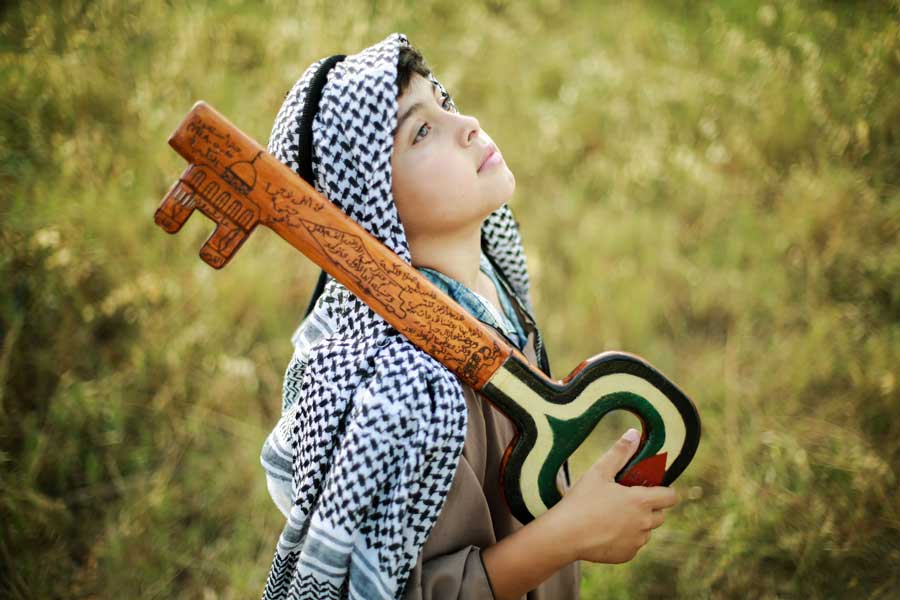
Many generations have faced singular tragedies, moving them to promise, “Never again.” Yet they often confront another tragedy which tests whether those words have sincere meaning. Today, Gaza has become one of those tests. Long after today’s headlines disappear, future generations will ask what happened, why it happened, how it happened, and what humanity learned from it.
One of the tragedies of our time is that the lessons humanity vowed to learn from past atrocities appear to have been forgotten. However, those lessons seem to resonate when Americans erect institutions such as the United States Holocaust Memorial Museum. In fact, these places do more than simply preserve history, they teach where hatred, propaganda, dehumanization, and indifference can ultimately lead. Their purpose is not merely to honor the dead but to educate the living.
With that in mind, perhaps it is time to establish a Gaza memorial and education center in the United States. This should not exist to fuel political division or assign collective blame. Rather, it should preserve memory while helping future generations recognize the warning signs that precede mass atrocities.
The United States is uniquely suited for such an initiative. As a nation of many faiths, ethnicities, and cultures, it can host a memorial with a universal rather than sectarian purpose. Muslims, Christians, Jews, people of other faiths, and those of no faith who believe in the dignity of every human life should work together to make it a reality.
A Gaza memorial should honor the victims, preserve their stories, and document the destruction they endured. It should also go beyond remembrance; it should educate visitors about dehumanization, propaganda, forced displacement, humanitarian law, moral courage, and the responsibilities of ordinary citizens when warning signs appear. It should tell the stories not only of victims but also of doctors, journalists, aid workers, rescuers, and peacemakers who upheld human dignity amid unimaginable suffering.
History teaches that atrocities do not begin with the first bomb or bullet; they begin when people stop seeing others as fully human. They begin when language strips people of their dignity, when fear replaces empathy, and when the suffering of some is considered less worthy of concern than that of others. Often by the time violence erupts, the moral foundations have already been weakened.
Every generation leaves behind memorials that preserve memory and pass lessons to those who follow. A Gaza memorial and education center should become part of that tradition, helping future generations understand not only what happened but also how such tragedies become possible and, more importantly, how they can be prevented. Ultimately, memorials are investments in the future. They remind each generation that the dignity and worth of every human life must never depend on nationality, ethnicity, religion, political affiliation, or any other human distinction.
The purpose of a memorial is not to preserve grief, rather to preserve wisdom. Memorials exist not because history cannot be changed but because the future can.
Those who wish to leave a better tomorrow for their children should consider supporting the creation of a Gaza memorial and education center. Palestinian organizations, human rights groups, educators, faith communities, philanthropists, and concerned citizens should begin discussing how to make such a vision a reality.
The cost of remembrance is small compared to the cost of repeating history.