بسم الله الرحمن الرحيم

Tag: muslim youth

  • The Power and Privilege of the Youth

    The Power and Privilege of the Youth

    The current condition and future status of a community is seen, on one level, in the state and actions of its youth, particularly its students. Although definitely not unprecedented, we are at a crossroads within the current climate: socially, politically, and academically. I have been in the field of education for decades and am witnessing an inversion of truth, an enforced narrative that belies what our eyes see plainly in front of us.

    Yet, a basic tenet of a sound education is the importance of critical thinking, just as freedom of speech is the lifeblood of democracy. Add to those essential principles, the American constitutional declaration that all individuals are created equal. What an irony of epic proportions that the current Establishment narrative denies, or at the very least obscures, the clear oppression and injustice in Palestine. Where are critical thinking, freedom of speech, and the equal rights to dignity and freedom of all human beings when the mainstream authorities try in every way to mute the voices and block the actions of those who see what is going on and conscience dictates speaking and acting on behalf of those who are being victimized in the most brutal ways? The message is simply this: “You actually do not have the freedom to speak and act according to your conscience, even if in fully lawful ways, and despite proclamations that you do.” It seems that too many Americans subscribe to the dystopian principle in George Orwell’s Animal Farm: “All animals are equal, but some animals are more equal than others.”

    We have been here before. The Jim Crow laws and enforced racial segregation, the misguided and destructive Vietnam War, pressing issues about the environment, economic and social inequality — all of these took students to the streets in the past, inspired writers to express outrage by pen, and woke up the general population.

    Columbia University in New York City, at the center of the current wave of protests, has seen similar uprisings before, including during the Vietnam War in 1968. Demonstrations led the university to end classified war research and stop military recruitment, among other changes, according to an article by Rosalind Rosenberg, a professor of history at Barnard College. On the other coast, in the 1950s, at the University of California, Berkeley, student groups taking part in any on- or off-campus political activities were banned from campus. Nearly 800 students were arrested by local police as a result. The overreaction to protestors ultimately worked in the students’ favor as the administration eventually overturned policies that would restrict the content of speech or advocacy. The shootings at Kent State in 1970, when police fired upon a protest killing two students, Phillip Lafayette Gibbs and James Earl Green, catalyzed the first general student strike in the history of the United States, when students from over 400 colleges and universities called off classes to protest the shooting.

    Courage, Maturity, and Strength of Character

    Campuses have come to the forefront of the news once again amidst the current unrest in the Middle East, as over 150 colleges and universities saw encampments on their grounds during the last academic year and now with new semester, with many faculty joining in as well. The courage, maturity, and strength in character exemplified by the students and many staff risking their livelihoods, are commendable. Encampments were set up on university campuses in calls for a ceasefire in Gaza and divestments from companies that are advancing the brutal military objectives of the occupying force. Thousands of protesting students were arrested in an unprecedented move. Meetings were set up with deans, presidents, and directors of these institutions to voice student concerns, and many were fruitful. The president of Columbia University, Dr. Minouche Nemat Shafik, was called to a Congressional Hearing in April 2024 to answer for her reaction to the climate of unrest on campus, and then eventually resigned in August 2024 amidst the uproar.

    For sure we are living at a critical time in history. In Bangladesh, for example, a tyrant ruled for decades. But she was ousted by the galvanization of students. The protests began after she instituted unfair policies regarding quotas in government jobs, and these demonstrations escalated as orders were issued to use force to disperse the gatherings. Anger mounted and could not be quelled, and former Bangladeshi Prime Minister Sheikh Hasina, the longest serving Muslim female head of state, was forced to resign and flee the country.

    The Student Body of the World Is a Powerful Force

    What makes the youth, the student body of the world, such a powerful force that can help end a war or an unjust racial policy? Why can the students, creating an uproar with their voices and actions calling for justice, bring about such dramatic and important change? The answer lies in their youthful energy and idealism. Their critical thinking skills have not yet been dampened by years of political propaganda and their own personal investment in the system. Their minds have not yet been corrupted by ulterior motives or tainted by greed, nor blurred by what the propaganda narrates and demands we conform to. They are still free. This is their power and their privilege.

    The students’ minds are restless and hunger for answers. They see injustice and call it out, simmer with anger and burn with an undaunted desire for action. Their confidence is unparalleled. It triggers the call — and in the face of ridicule, accusations, ostracism, legal actions, and oppressive policing, they cement their places and release their dynamic response in history as it unfolds. They have a responsibility; and they still have an ability to respond with honesty and determination.

    The kinetic disturbance of protesting energy grows into waves. This motivates others to join and soon, a group becomes a movement, galvanizing others by their voices and drowning out the backlash, overcoming those who would misrepresent and whitewash the wrongdoings that prompted the protests.

    Tiny seeds of honest discernment and uncompromising conscience can be nurtured to ultimately change the direction of the world. A seed is planted, and someone appears with a drum to signal the rhythm and beat of nature’s unrelenting will to take root and grow. This beat is a planting of ideas but also a viable march in time, and it yields a chant for freedom, calling to all human beings with a vision of justice and peace, daring to stand in defiance of those who monger fear and exploitation and war.

  • Urdu and Arabic: My People and My Faith

    Urdu and Arabic: My People and My Faith

    Like many young Muslims in this country, I’m second-generation American. My parents immigrated to this country in the ‘90s, and me and my siblings grew up as third culture kids — intermixing Urdu phrases in our English, jeans with a “kameez” (a long cultural shirt) was the height of fashion, and we learned to eat with our hands before ever touching a spoon.

    There’s often a lot of dialogue on the difficulties that children of immigrants face, that feeling of never quite fitting anywhere. But I wonder how many of us have thought about how much it must ache to truly belong to a place – to live in a place where everyone speaks how you speak, where everyone eats what you eat, where everyone dresses how you dress – and then to have to give it all up and move to a land where you become a “minority” that is mocked and ridiculed for the very things that are the cornerstones of your identity?

    I wonder sometimes, if I would have been able to make the kind of sacrifice that my parents made. Would I have been able to leave my country, my people, and everything that defined me, to immigrate to a different continent, just so I could give my own children their very best opportunity for success? I’d like to think I would, but I genuinely don’t know. That requires a level of strength and tawakkul that I’m not sure I possess.

    And then, imagine watching those very children, the ones you gave it all up for, go through that phase where they become ashamed of your culture. The food our moms’ make, imbued with so much love and care, suddenly becomes “boring”, or even “gross.” We’d love to be called multilingual, but in something exotic like Italian or French, not the Urdu and Arabic that is our birthright.

    There is this defining moment that almost every child of an immigrant goes through — you’re asked a question, in what should be your native language, that you understand completely and you know the answer to, but you have no clue how to articulate it. Your tongue stutters, and your throat seizes, and your thoughts race in English but never translate over, and you feel absolutely humiliated.

    This loss of language might be the most heart-breaking part of it all. Language is the soul of community. To know a people, we must know their language. How many stories lay untold on the tongues of our grandparents because we can barely stutter our way through a sentence in Arabic? How many of our uncles, our aunts, our cousins, those who should be some of our closest family, have we barely scratched the surface in getting to know them, because their English might be broken but our Urdu is still yet worse? How many gems sit in the bookshelves of our parents’ personal libraries, in the hearts of our scholars back home, that we have allowed to become inaccessible to ourselves?


    Urdu is a beautiful language. There’s a gentleness and an eloquence to it, and it quite literally sits softer on the tongue and the throat. There’s a common stereotype of Desis (those of South Asian descent) not having the best pronunciation of the Qur’an, and that’s actually because a lot of Arabic letters rely heavily on the back of the throat while Urdu is spoken almost completely from the mouth. But despite these pronunciation differences, Urdu is very similar to Arabic in vocabulary.

    Neither of my parents have formally studied Arabic. They couldn’t tell you all the grammatical rules, the different morphological patterns, or the reasons for a word’s vowels. But their Urdu is fluent. Me, on the other hand, I’ve been taking an intensive Arabic course for the past 9 months. I can break down a verse into all its components and tell you the root letters of almost any word. But my Urdu is broken.

    And the longer I study Arabic, the more I realize that the level of comprehension of the Qur’an that my parents have, which is miles ahead of mine, is almost purely founded on their grasp of Urdu vocabulary. In allowing my own Urdu to weaken, I lost with it a critical understanding of Qur’anic vocabulary. And while I can still learn Qur’anic vocabulary now, and am taking steps to do so alhamdulillah, I often think of how much easier I know this all would’ve been if I had just retained my Urdu.

    My parents really tried their best to encourage us to embrace Urdu as much possible – it used to be tradition in our household to only speak Urdu at the dinner table. But as we grew from naïve children into insecure teenagers, we were desperate to find our footing in American culture and we made such a fuss about speaking English, my parents eventually gave in. And now, as an adult with too many responsibilities and barely enough time, I look back and truly regret the moments that could have been spent solidifying my native tongue, but instead was wasted on trying to prove to myself that I was American enough.

    If it was just about Urdu as a language, I would still have these regrets of course, but perhaps they wouldn’t be as strong. But it’s also about how Urdu ties into Arabic and Arabic is the language of the Qur’an and the Qur’an is the Word of Allah. It is quite literally God’s Message to me and you. So, it is regret for the loss of the language itself, yes, but more importantly it’s the regret of knowing how much stronger my connection with the Qur’an could have been.

    But we can’t waste our lives on regret. Regret is meant to be a teacher – it should drive us to do better, it should force us to reflect on our errors, but it should never paralyze us.

    Our relationship with Allah in particular is the one part of our lives that we cannot allow to become stagnant. Allah loves us, and it is out of this mercy and care that He has revealed His Message in His chosen Arabic. And we live in the age of technology, it has never been easier to learn a language – there are so many classes, such passionate teachers, endless YouTube videos. There is genuinely no excuse for willful ignorance. And why would we want to stay ignorant? Our Creator, The Merciful, The All-Loving, The Most-Kind, has sent us a Message and given us the means to understand that Message. Don’t we want to know what our Creator has to say to us?

    So, this is a call to myself, first and foremost, to work on my relationship with the Qur’an. This is an oath to myself that I will learn the language of the Qur’an insha’Allah, even if it’s just one word at a time. And maybe, just maybe, in this endeavor to please Allah and find my faith, I will find it in me to strengthen my Urdu and connect with the heritage of my people.

  • Supporting Mental Health in Youth

    Supporting Mental Health in Youth

    Adolescence is a time of great change. Coming of age involves phases of physical, emotional, mental, and behavioral transitions and adjustments. As the individual grows into adulthood, there are various struggles and challenges, and attention to one’s mental health during this time is just as important as attention to physical health. In the past few years, particularly with the pandemic and lockdowns, there has been a tremendous increase in mental health issues in youth of all ages. According to the World Health Organization “globally, one in seven 10 to 19-year-olds experiences a mental health disorder, accounting for 13 percent of the global burden of disease in this age group.” Anxiety disorders and depression are the most prevalent in that age group, with an estimated 3.6 percent of 10 to 14-year-olds and 4.6 percent of 15 to 19-year-olds dealing with some form of anxiety. And 1.1 percent of 10 to 14-year-olds and 2.8 percent of 15 to 19-year-olds suffer from depression. One can assume that there are those who go undiagnosed and untreated.

    Risk Factors

    Many risk factors contribute to mental health issues including an unsupportive environment or even negligence or abuse. Trauma, substance abuse in the family, social stresses, fear, or anxiety — all of these can significantly affect a young person who does not know how to adequately cope.

    Adding to the usual factors that affect the mental health of youth is the pandemic. Numerous studies report on the negative psychological effects of the pandemic and the burden placed on children and youth who dealt with school closures resulting in remote learning, as well as being cut off from in-person friendships and social interactions. This disruption left many children lagging behind in cognitive and emotional development. In addition, the very limited social interactions with others left youth feeling lonely and parents, teachers, and experts have worried about the loss of this crucial aspect of development for children and teenagers alike.

    Combatting Stigma

    Adding to the dilemma is that stigma surrounding mental health challenges continues to plague many communities and/or families, and in some cultures this stigma is very strong and acts as impediment to seeking help or getting treatment. In some racial and ethnic communities, reaching out for help may be seen as a sign of weakness, lack of faith, or mental disease.

    Parents and communities can support children and teens who are struggling with mental health. The first step is to watch for warning signs and take note of emotional and behavioral changes. A child might openly express feeling stressed or depressed or he or she might signal that through acting out or withdrawing emotionally. Parents should make sure to openly communicate with their child about their emotions and feelings. If your child continues to have issues, it is important to seek help and support from a professional counselor.

    The Importance of Mental Health in Islam

    Islamically, mental health is just as important as your physical health and well-being. And is it critical to take care of one’s mental health in order to live a well-balanced lifestyle. In the past, Muslim scholars and physicians such as Al-Razi and Abu Zayd Al-Balkhi understood and acknowledged how important mental well-being is and highlighted the importance of balancing all aspects of the self, including the mental and physical aspects.

    In the Qur’an and ahadith there are many references to the importance of self-care and well-being. One verse describes the importance of knowing that Allah SWT is always with us and will not put any person through hardship beyond their capacity to bear (2:286). Dhikr, d’ua, and salat are prime ways to get closer to Allah SWT; and remembering Him helps to bring peace to minds and hearts.

    Help the Youth Develop Healthy Coping Skills

    Tailored to the age and maturity of your child/youth, the following can help your child maintain good mental health:

    • Model good behaviors and traits including patience, perseverance, resilience, and tolerance. These traits are especially important to demonstrate when the parent herself or himself feels stressed. Children learn from and imitate their parents so being a good role model is essential.


    • Help your child learn to look at the problem or cause of stress in a wider perspective. Their first impulse may be to catastrophize the situation. Lead them to view the situation as a problem to be solved and an opportunity to learn. Guide your child to consider factors or aspects of the situation they may not have recognized on their own.


    • Let them know that there are some issues that are outside our control and others that we can do something about. When the issue is minor or fleeting, teach them ways to “let things go” like deep breathing and positive self-talk.


    • Guide your child to activities such as reading, art, or sports/exercise that can provide great outlets for stress and contribute to coping in a healthy way with challenges and difficulties.


    • Make sure your child has a good support system including both family and friends. Let them know they can always come to you to share whatever they are going through, whether positive or negative. Practice listening in an active, nonjudgmental way when your child does share.


    • Teach your child to practice gratitude for the good things in their life. This is best done by example so be willing to express your own gratitude out loud, at appropriate times.


    • Invest time with your child in volunteer activities. Helping others has many benefits to the one who is helping, including realizing a sense of responsibility to those less fortunate as well as helping to put one’s own challenges in a wider perspective.

    Most importantly, teach your child that remembering Allah SWT, making dhikr, du’a, and salat are essential means to cope in a healthy way with life’s ups and downs; and calling on Him, for young and old alike, is a valuable and powerful way to find peace of mind and heart.

  • Tailoring Programs to Meet the Needs of Underserved Muslim Youth

    Tailoring Programs to Meet the Needs of Underserved Muslim Youth

    It is common to enter the masjid and see adults over thirty and small children under the age of ten. However, unless a concerted effort is made to offer youth programming, it is unusual to see teens and young adults spending their time there. In this difficult sociopolitical environment where Islamophobia is rampant, kids are being bullied, and political candidates are spewing hateful rhetoric, it is imperative that we make our masajid youth-friendly, a place where they can be educated and feel included, empowered, and gain a sense of belonging.

    Prophet Muhammad (pbuh) was not only aware of the vitality and strength of young Muslims, but he made sure to harness that energy to build a better Muslim community. He gave responsible youth positions of leadership; he interacted with them in a down-to-earth manner, making a point to not only listen to them but to take their suggestions, and to praise them for their contributions in front of their peers and elders. Many masajid are seeing the need for youth programming and stepping up to fill that void. It is important to keep in mind that just like the rest of the American Muslim community, American Muslim youth are a diverse group. They cannot be painted with the same broad brush. They have varying backgrounds, experiences, and needs. Not all of these needs are being met in the typical Muslim community.

    The Family and Youth Institute (The FYI) is a research and education nonprofit that conducts original research on Muslim youth and families to enable the ummah to know the issues they face, make necessary changes, and benefit from the information they provide. They compiled some of their research on Muslim youth in a comprehensive report in 2015. According to the report, American Muslim youth contain many subgroups that have been underserved by their communities. In order to better support these youth, it is important to understand who they are and tailor programs and efforts to their needs. Four subgroups highlighted in the report include: young American Muslim women, African American Muslim youth, convert Muslim youth, and refugee youth. They each have specific challenges and strengths that require special consideration.

    Young American Muslim Women

    Aliya is an outspoken and intelligent young lady. She holds student council and yearbook leadership positions at her middle school and often voices her ideas and concerns. On Fridays, when her parents take her to the masjid, she enters with her mom through a small side entrance to the dark and dingy area dedicated for women. The khutba and all extra spiritual opportunities are directed towards the “brothers” and she doesn’t see any place where she can be involved. Often times she leaves the prayer wondering if this is even a place where she belongs.

    Given the developmental importance of having a sense of belonging during adolescence and early adulthood, the lack of inclusion often results in young women seeking support and a sense of belonging elsewhere. Young American Muslim women have their own unique struggles which need to be understood and addressed. One particular issue discussed in The FYI report involves concerns and confusion surrounding their place in the masjid as determined by cultural narratives. There are many communities even today in which cultural interpretations of Islam prevent women from actively participating in community life. Some masajid discourage women from even attending congregational prayer, while others delegate women to a small back room, typically a cramped, confining space. Many prevent them from having leadership positions. In many masajid, khutbas and speeches are directed towards the men and women are usually not part of the congregational discourse. When they are discussed, it is often in relation to others (as mothers, daughters and wives) rather than independent beings serving God like their male peers.

    This is in direct contrast to community life during the time of the Prophet (pbuh). He informed Muslim males not to prevent women from coming to the masjid. He sought female companions’ advice on matters of the state and he gave them time and attention to help them develop their spirituality. In many regards, the Prophet (pbuh) helped to empower women, and this resulted in the development of strong female role models and active participants in Muslim community life. For example, Aisha bint Abu Bakr not only possessed great knowledge but took an active part in education and social reform. She was the teacher of many of the learned companions of the Prophet (pbuh).

    Similar to Aliya’s story, the current inability or unwillingness of many Muslim communities to provide an inclusive and empowering environment for young women often results in them feeling unimportant or unwelcome in mosques. In a 2013 study by The Islamic Society of North America (ISNA), exploring women’s participation in US mosques, the majority of mosques (86 percent) were rated as “fair” to “poor” in terms of being female-friendly, and only 4 percent of mosques in America reported programming for women as a priority. Many young women are unable to differentiate between Islamic principles and their masjid’s specific interpretation of Islam, and as a result they feel frustrated, spiritually disconnected, disempowered and alienated.

    Another issue mentioned in the report deals with that of hijab. Adolescence is the period when young women may first consider wearing hijab. The decision to wear or not to wear it has differing implications depending on the young woman’s environment. For example, one young woman may decide to wear hijab per religious mandate and report the experience as empowering, but her decision may result in stressful parental or family objections. Another young woman may choose not to wear hijab, which may result in experiencing marginalization by her community. Some young women report disliking societal association of hijab as a symbol of oppression. Some express being overwhelmed by the implicit responsibility of being a representative of Islam in a non-Muslim society. In addition, some young women worry about their ability to get a job if they wear hijab or report fear of emotional or physical harm, particularly amidst today’s anti-Islamic political rhetoric and widespread Islamophobia. These unique concerns, decisions, and need for support are crucial to the development of young American Muslim women. Communities need to have an open forum for discussion of these important issues.

    In addition, some young women are given mixed messages from their families and communities; they are encouraged to be outspoken about their rights within mainstream society but not to push the status quo within their religious and cultural communities. Recently, some young women have begun asserting themselves, trying to change the current narrative through leadership positions and advocating for increased programming and space within mosques and other religious organizations. Others are empowering themselves through the use of social media and using it as a platform to connect with other women and push for community conversations. The same study found that more women showed up for events at mosques where there existed female board members, female speakers were included for events, and attractive women’s prayer spaces accommodated them. Women were happy to spend their talents and expertise in the mosques where they felt at home and welcome. Muslim communities need to make an effort to open doors of opportunity for these dedicated and talented young women to both receive from and give back to their community.

    African American Muslim Youth

    Jamaal felt passionately about the Black Lives Matter movement and the need to end widespread racism and police brutality against African Americans. He brought this up to his Muslim youth group and suggested a fundraiser and community dinner to address the issue. It fell on deaf ears and another fundraising dinner for Palestine was planned instead. This conveyed to him that Palestinians but not African Americans were “our people and our problem.”

    African American Muslims are considered to be the largest percentage of native born Muslims in the United States. African American Muslim youth are a diverse group – living in different social and structural contexts, and having varying experiences depending on a number of factors. Whether they were born Muslim or converted, live in urban, suburban, or rural environments, attend an immigrant or African American religious community, and their religious congregation’s ideological understanding and practice of Islam all influence the youth’s development. However, across the board, African American youth’s social context is highly influenced by race.

    Institutional racism in America is clearly a problem, as evidenced by African American males, young and old, being disproportionately profiled, over-policed, arrested, and incarcerated. One in three African American men can expect to go to prison in their lifetime. African American youth are not immune to these experiences, and in fact, likely have a great effect on their day-to-day lives. Images of African Americans in the media and entertainment industries reinforces negative stereotypes and have an impact on the self-concept and identity of African American youth. The Black Lives Matter movement has recently been able to highlight the issue of police brutality against African Americans and increase its public exposure. Muslims must be at the forefront of this movement, as Islam stands against all oppression and senseless violence. Social justice and standing up to systematic oppression is a rich part of American Muslim history we must all embrace.

    Ongoing institutional racism has also resulted in a disproportionate number of African Americans experiencing poverty. The 2012 US census results found that the median family income for African American families was $39,988 compared to $67,892 for white families. Socioeconomic factors may have a direct or indirect profound impact on the development of African American Muslim youth. Financial stability, parental stress, housing and neighborhood options, and quality of education are all factors that impact the developmental outcomes of young people.

    Unfortunately, African American Muslims also often experience racism from within the greater Muslim community – both in the form of unforgivable name calling (“abeed,” the Arabic word for “slave”) as well as indirectly, such as assuming the person has limited knowledge of Islam based on their skin color. Recently the hashtag #BlackinMSA on twitter encouraged young African American Muslims to bring to light their negative Muslim Student Association experiences, and unfortunately these incidents are all too common and pervasive. Their stories are painful to read and highlight the isolation and mistreatment African American Muslim students have felt from their Muslim peers. We seem to have forgotten the words of Prophet Muhammad (pbuh) in his final sermon: “O people! Your God is one and your forefather (Adam) is one. An Arab is not better than a non-Arab and a non-Arab is not better than an Arab, and a white person is not better than a black person and a black person is not better than a white person, except in piety” (narrated in Musnad Ahmad ibn Hanbal).

    Thus, African American Muslim youth experience stigmatization due to both religious and racial identification on multiple levels. The shared history, racial struggles, societal experiences, and socioeconomic conditions may result in African American youth identifying with their non-Muslim African American peers more than their immigrant Muslim peers. Ignoring or failing to address racial injustice and take action to reduce it in the community can only result from underestimating its negative impact on the lives of African American Muslim youth, as well as impeding efforts to meet their unique needs.

    Young Muslim Converts

    It had been five years since Bryan accepted Islam and entered his Muslim community. And yet, it was Ramadan again and here he sat at iftar time, in front of his television, with his frozen dinner, eating alone. He had attended the community iftar at the Masjid the night before but found himself eating alone there too, as people of like cultures banded together. He figured if he was going to be eating alone, he might as well be in the comfort of his own home.

    About 25 percent of American Muslims are converts. Adolescence and early adulthood is a period often associated with self-exploration and this process may inspire a young person to convert to Islam. Young Muslim converts are susceptible to experiencing negative outcomes due to the loss of support from parents and relatives, and former friends, resulting in a critical unmet social need. Unfortunately, very little is known about the impact of conversion during adolescence and early adulthood on the young person’s development. Current research highlighted in The FYI report suggests that developmental issues unique to this subgroup include: disruption within the family context, lack of social support or mentorship, and challenges integrating into the Muslim community.

    The decision to convert to Islam often results in the disruption of the parent-child relationship. Parental reaction may range from lukewarm support to forcible removal from the parents’ home. The change in belief system, dress and lifestyle may cause tension, resulting in some cases of loss of support from parents and former friends. Unlike older converts, many adolescents and young adults may still be physically, financially, and emotionally dependent on their parents. Hence, the impact of this loss is much greater and deeper.

    As a result of this family disruption, new social support networks, a sense of belonging, integration and re-creation of a strong bond becomes particularly critical for convert Muslim youth. Unfortunately, most converts report limited social support from their Muslim community. Ramadan, Eid, and holidays associated with their former religion were reported as being a lonely time, resulting in feelings of marginalization. Ramadan is the most social month of the Muslim year, with family and friends often gathering over lavish evening meals. But many American converts to Islam break their fast alone, often in front of the TV. Those who did feel supported indicated they were “adopted” by individual families. These “family connections” served as a major source of support and helped with integration and connection within the Muslim community.

    Many young converts reported a need for mentors who understand their intersecting social identities to help them with their life challenges. Some converts are forming their own groups, one of which is Ta’leef Collective. Founded as a resource for new Muslims and prospective converts, Ta’leef runs classes, discussions, and support groups. Its headquarters are in Fremont, California, but it opened a Chicago chapter in 2012. Additionally, there are small discussion groups popping up in “third-spaces” in large cities such as New York and Washington, DC to gather and share resources and build community.

    Many converts also encounter struggles in their personal lives that require proper support. Many convert youth report struggling to channel their sexual energy after conversion. They now need to alter their previous behaviors – such as gender interaction, dating, and premarital sex. They may try to marry quickly to protect themselves from temptation. Converts also report difficulty with the marriage process due to lack of opportunities to meet potential mates, lack of support system to assist in the search, and potential spouses’ family objections due to concerns regarding implications of marrying a convert. Often times female converts are pursued for citizenship purposes rather than as genuine life partners.

    Experiences may differ based on the individual’s cultural background and the community into which they are attempting to integrate. One study reports that African American converts often believed that white converts received preferential treatment. White converts, on the other hand, often see themselves as a “community trophy.” As one shared: I think more than anything you’re kinda like a mascot…people are proud to like parade you around as a white convert or show you off, and, without ever really getting to know you.

    White women, particularly, who choose to wear hijab may experience more difficulty transitioning as they feel the loss of their societal white privilege. Female Muslim converts are particularly mischaracterized by the media, which portrays them as brainwashed, weak-willed, and easily misled by Muslim men. Deanna Othman writes that the female Muslim convert “provides a spectacle for the public to shake their heads at because she is a tragic character, and her tragic flaw is her conversion” to Islam. When young American Muslim converts are not supported through these trials and provided with a much needed social network, they often stop coming to the mosque all together and may even leave the religion.

    Refugee Muslim Youth

    Ameera sat on the floor in the corner of the small apartment, wishing that she were still in Syria before the war struck. She missed her friends and cousins and their fun days laughing in the garden. She missed the family gatherings that went late into the night and the large spread of food her mama used to cook. Most of all, she missed the peace and contentment her heart had felt before the war and the sleep that used to come so easily…

    As the political conflicts continue throughout the world, increasing numbers of refugees from predominantly Muslim countries are arriving in the United States. Refugee Muslim youth experience unique struggles as they attempt to integrate into the US. Understanding their individual and family experiences during the migratory process (pre-migration, asylum seeking, and resettlement stages) will be critical in assessing the impact on the individual’s development, identifying potential risks, and developing appropriate interventions. In addition, mental health, social disruption, and educational challenges have to be considered when trying to promote youth development in this subgroup.

    American Muslim refugee youth who have witnessed or been victims of violence may report problems processing these traumatic events. Their experiences may result in developmental delays, difficulties managing emotions, or poor academic performance. They may experience higher incidence of depression, anxiety, and post-traumatic stress disorder. They are more likely to report survivor’s guilt, a pessimistic outlook on life, and suicidal ideation. Often they may exhibit a developmental regression such as bedwetting, or they may report difficulty concentrating in class. In addition, traumatic experiences may result in the formation of negative thoughts and expectations about themselves, others, the world, and their future. This can impact the young person’s ability to form meaningful attachments and develop a social support network.

    The lack of trust in institutions and the future also complicates young refugees’ educational experiences. Many live in areas with poor school districts with overcrowded classrooms that have limited resources. There is often inadequate funding for language acquisition programs and this, coupled with racism and xenophobia, increase the difficulty of transition. Refugee youth that have experienced multiple losses, financial stress, lack of parental monitoring/availability, lack of social support network, and untreated psychological wounds may have an increased likelihood to engage in high risk behaviors. Unfortunately, the needs of this subgroup often go unnoticed and are therefore minimally supported by their community.

    The field of research on American Muslim youth is still evolving, and there are many questions that need to be explored and answered. Continued research is needed in order to understand the varying subgroups, their challenges, and how to better meet their needs. The current knowledge can be used by parents, as well as educational and religious institutions to form religiously, culturally, and developmentally relevant programs for young people, families, mentors, organizations, and mosques. By fulfilling the unmet needs of these underserved Muslim youth subgroups, and Muslim youth in general, we can hope, insha’Allah, to more effectively promote positive development of American Muslim youth. Individuals interested in additional information can find resources at The Family and Youth Institute’s website: www.thefyi.org

  • The Five Necessities

    The Five Necessities

    The conversation never gets old. Two parents are standing at the edge of the Masjid, on the verge of losing their kids to the crowd. It appears that the influence of their peers and the challenges of being young are getting the best of them. One concerned parent says emphatically to the other, “We need to do something for the youth!” A few cities over, the same realization is echoing at the weekly board meeting of your neighborhood Islamic Center and resounding from the pulpits of Muslim communities across the nation. If you’ve been involved in activism long enough you might have heard these words a thousand times.

    How do we instill this conviction in Muslim youth? One of the most effective ways is to put them through specialized dawah training. Why? Because many of them have the very same questions and doubts

    Nonetheless, there is an increasing awareness within our communities of a need that has been both present and pressing for a very long time. Where we have been delayed and left lingering for too long, however, is not in recognizing the need; rather it is in bringing forth and implementing practical solutions and methods to facilitate the fulfillment of that need. In other words, we have yet to cover the distance between “the what” and “the how.” We have yet to bridge the gap between the principle and the practical. We know we need to strengthen our Muslim youth but we don’t always know how. We know we need to cultivate in them the love of Allah and His Messenger, but again, we don’t always know how. We know we need to keep them engaged and active at the Masjid but we don’t always know how. This is where the old conversation usually comes to an end, and this is where the new conversation has to begin…

    There is a very beautiful and profound chapter of The Quran that is simple and short enough for a three-year-old child to memorize and to understand. In this chapter, Allah lays out a roadmap to success that is relevant to all of humanity and especially practical for Muslim youth. From it we can derive five basic necessities that, by Allah’s permission, will not only help our youth prosper in their religious affairs (deen) but will also help them prosper in their worldly affairs (dunya). The chapter that I am referring to is none other than Al-Asr (The Time), and the five necessities, that it so eloquently captures, are as follows: time management, conviction, righteous activity, inclusive engagement, and positive reinforcement.

    Time Management

    Allah says “By time, mankind is in a state of loss…” (103:1-2). One of the greatest challenges for our Muslim youth in the pursuit of their fullest potential is the fact that they have too much free, unaccounted for and unmonitored time, and not enough positive alternatives with which to fill that time. Many of them, in fact, are being left to their own devices and their own discretion without proper intervention or regulation, and as a result their true potential is being wasted. Yes, many of them may be doing well or excelling in school; but at the same time they are spending valuable hours on video games and social media, on the phone, watching 3-hour movies, and excessively engaging in fruitless activities. All the while, they are falling behind in their Islamic development.

    Mentorship is important for the success of youth because it creates a source for advice and support that is separate from the sensitivities that are present with family and friends

    Without a doubt there is great benefit in relaxation and entertainment, but when it begins to consume the lives of young people, then it becomes detrimental. What if we could cut the time that they spend engaging in entertainment and social media in half or even reserve a third of that time for beneficial endeavors? Now, instead of simply excelling in school, they could be over-excelling in school or taking on an extra-curricular that may contribute to their future success. In fact, with the amount of time that the average young person spends on the internet alone, they could be learning a trade or gaining a level of accreditation in one of the sciences of Islam. Time management is so vital and so necessary for our success that Allah uses the remainder of this chapter (Al-Asr) to lay out for us a specific regiment for the usage of our time.

    Conviction

    After informing us that all human beings are in a state of loss, Allah makes an exception by saying “…except for those who have faith…” (103:3). The second and the most important necessity that should occupy the time of our Muslim youth in order to prevent their potential from being lost is the development and preservation of their conviction in Allah. Why? Because without true faith and certainty in Allah, their taqwa (their mindfulness of Allah which leads to virtue and prevents sin) cannot be fully developed. Moreover, as long as they have doubts about Islam they run the risk of not only falling into sin but of losing their identity all together. On the other hand, if they do develop the necessary level of certainty and mindfulness of Allah, then they will begin to take account of themselves and make their own initiative to maintain their Islam. The real question, however, is how do we instill this conviction in Muslim youth?

    One of the most effective and practical ways to nurture conviction in the hearts of Muslim youth, especially teenagers, is to put them through specialized dawah training. Why? Because many of them have the very same questions and doubts that a non-Muslim would have. Many of them don’t know why they believe what they believe, and a part of the reason why is because they have not been introduced to Allah’s proofs in a way that captivates their minds and keeps them engaged. In fact, many young Muslims have never even been asked the question “Why are you, personally, a Muslim?” And the very inability to answer this question is a sign that their conviction may be deficient or unfounded, and their Islam may simply be cultural, a lifestyle that was passed on to them from their parents. Such a possibility should never be left unresolved. Also, dawah training, if done properly, should accomplish three things. It should stimulate faith and build certainty, connect hearts to the Quran, and provide individuals with the language and the skill to articulate and defend their Islamic identity in a time when Islam is at the center of the world stage.

    Righteous Activity

    After conviction, Allah mentions righteous activity which is the third necessity for success. Allah says “… those who do righteous deeds” (103:3). Oftentimes when we think of righteous activity, we limit it to praying, fasting, giving charity, and basic acts of kindness. However, righteous activity is that which is essentially beneficial and is a very broad category that can even include such things as physical fitness and social events if they are facilitated in the proper way with the correct intention. Righteous activity also includes those activities that will prevent you from falling into disobedience as well as those activities that facilitate good deeds. A good example of this type of righteous activity is participating in sports. Not only does sports prevent many young people from wasting time and engaging in other harmful things, but also through sports certain qualities and life skills are practiced and developed such as sportsmanship, teamwork, sacrifice, effective communication, tolerance, strategic planning, and even self-confidence. Moreover, if these activities are being facilitated by Muslims, then prayer and beneficial reminders can actually be incorporated as well.

    Now, I know that not every young Muslim likes sports. That’s fine. There are plenty of other activities that can benefit them and keep them engaged. Be creative! Ask them what their interests are and develop your programming around them. Take their favorite game shows like Jeopardy and Family Feud and create Islamic versions. Try to put them together in teams as much as possible and create incentives and merit systems to reward those who put forth their best efforts. Facilitate writing workshops that reinforce the importance of creativity and written expression in Islam, and encourage them, for example to write poems about the prophets or short pieces about what Islam means to them. Make sure that study circles for the youth seem less like lectures and more like conversations that involve both the speaker and the listener. Ask them if they know before you tell them the answer and they will be much more attentive. Lastly, one of the most transformative righteous activities that Muslim youth can participate in is feeding and helping those in need. This has a very profound impact on young people, especially those who have lived a relatively privileged life, without deprivation in food, shelter, or other basic necessities.

    Inclusive Engagement

    As for the fourth necessity on the roadmap to success, Allah says “…and those who participate in and encourage truth…” (103:3). If we want to see Muslim youth attached to the Masjid and taking up the cause of Islam on their own initiative, then participation is paramount. They have to feel like the Masjid is their Masjid. They have to feel like they are a part of the process. Even if they are given a donation basket to hold on Friday or a stack of flyers to hand out to the congregation as they leave, that seemingly small act of inclusion may change their entire perspective of the Masjid and their relationship with it as well. Through participation we not only can instill a sense of ownership in them, but we can also begin to cultivate leadership, and transition the youth into active, even proactive, members of the community!

    If you want to take it a step further, then don’t just let them hand out food to the needy on the day of distribution; let them manage the entire process themselves. Let them make phone calls from the office phone in the Masjid. Let them collect donations from community members. Let them plan the coat drive. Let them organize and host their own events under the guidance of the administration. Let them decide where they want to go for their quarterly youth trip. These things may seem insignificant but they can go a long way in the life of a young Muslim. Lastly, offer tutoring in English and math and SAT preparation classes at your community center because this will send the signal that you are concerned about the overall success and well-being of the Muslim youth. It also is a strategic way to bring them together in the House of Allah with other young Muslims.

    Positive Reinforcement

    As for the fifth necessity for success, Allah says “…and those who observe and encourage patience and perseverance” (103:3). Strengthening Muslim youth is all about positive reinforcement which should ultimately manifest into a comprehensive support system that includes family, friends, and mentors. This creates an environment wherein Muslim youth are constantly being invited and encouraged to do good. One of the most vital components to this support system is the youth group because youth are more influenced by their peers than anyone else, and are more inclined to come to the Masjid and participate in programs when they know that other youth will be present. What can enhance the positive youth-to-youth impact is the collaboration with other youth groups. This provides an extended sense of belonging, and sends the signal that other people like them are enjoying themselves doing similar things.

    Mentorship is perhaps just as important for the success of our youth because it creates a source for advice and support that is separate from the sensitivities and incentives that are present with family and friends. Youth need a safe-zone where they can express their insecurities and their personal struggles without feeling that they are being judged or condemned. They have real challenges that are not simply overcome just by knowing right from wrong; and the Imam might not be the person that they feel comfortable disclosing themselves to. This is where the mentor becomes very important. Some ideal candidates for mentors are university students, young professionals, and athletes – all of whom should be well-grounded and well-balanced in their Islamic identity.

    Lastly, everything crumbles without positive parental reinforcement in the homes. In fact, without it, the positive effects of involvement with high-minded Muslims peers and the guidance and support of mentors are undone. Parents cannot think that just because they send their children to the Masjid or even to Islamic school that their responsibility has been fulfilled. Rather, they have to know that they are the single most important pillar in the lives of their children because of the level of authority and proximity that Allah has given them. Ultimately, the five necessities cannot be properly implemented, monitored, and measured, without the involvement of the home.

    To conclude, we should know that Muslim youth are just youth who are Muslim. Their challenges and their interests are very much the same as other youth. However, the only thing that sets Muslim youth apart, and will allow them to prosper through the challenges, is the clear guidance sent by Allah!

  • Preparing Youth for Success in Life, Service, and Leadership

    Preparing Youth for Success in Life, Service, and Leadership

    Looking metaphorically at the phenomenon of the “butterfly effect,” wherein, theoretically, the flapping of a butterfly’s wings in Japan could cause a tornado in Texas, it is likewise conceivable that the humble efforts of a single youth could positively and dramatically change the world. Despite this plausible reality, oftentimes we hear youth saying, “I’m young, what can I do?” Instead, perhaps, they should say,” I’m young—with the help of Allah (SWT)—what can’t I do?”

    We must provide constructive programs and outlets for youth to come together, discuss common struggles and challenges, and through specific projects, make a positive contribution to their communities

    It appears that our youth are not aware of the substantial role played by young people in Islamic history. Prophet lbrahim, for example, was a young man who challenged the disbelievers and destroyed their idols; at the age of 10, Ali ibn Abi Talib was the first male to accept Islam; Umair ibn Abi Waqqas joined the Battle of Badr around the age of 15; and Aisha (RA), who became the wife of the Prophet, narrated many hadith and was a leader in her own right during her youth.

    Devaluing the Potential Contributions of Youth

    It’s not only youth that underestimate themselves, but community leaders underestimate them as well. Muslim community leaders must realize the vital importance of youth and view them as valuable resources, rather than spoiled youngsters with little to offer, requiring video games and constant entertainment/stimuli to hold their interest. In fact, youth is the

    stage of life during which individuals are most enthusiastic, energetic, creative, open to learning, and physically strong. Allah (SWT) says in the Quran, “Allah is He who created you of weakness, then He appointed after weakness strength, then after strength He appointed weakness and grey hair…” (Quran 30:54). It is in the best interest of our communities to re-evaluate the strength and value of our youth, contemplate the substantial contributions they can make, and do our best to prepare them for success, service, and leadership.

    Mass Media Seek to Indoctrinate Youth

    The general society unquestionably values youth as a commodity. In fact, society elites and predatory marketers and advertisers recognize the intrinsic value of youth and spend a great deal of time and money to manipulate and control their behavior and shape their identity.

    Youth are not just the future; they can, today, be the endowment of our commitment and their own, benefiting and improving their own lives and that of their families, but also that of ummah and society

    In an article, “How Disney Magic and the Corporate Media Shape Youth Identity in the Digital Age,” author Henry J. Giroux writes, “Youth are now assaulted by a never-ending proliferation of marketing strategies that colonize their consciousness and daily lives…[i]n what has become the most ‘consumer-oriented society in the world,’…. youth now inhabit a cultural landscape in which, increasingly, they can only recognize themselves in terms preferred by the market. Multi-billion-dollar media corporations, with a commanding role over commodity markets as well as support from the highest reaches of government, have become the primary educational and cultural force in shaping, if not hijacking, how youth define their interests, values and relations to others.” For this reason, community leaders and parents need to be active players in this struggle to influence the hearts and minds of youth.

    Exemplary Youth Inspire Peers to Strengthen Iman

    Without exemplary youth providing a good example and positive peer influence, Muslim youth are left hanging in the balance. Popular culture with all its many vices are a continuous temptation and distraction for youth, and Muslim youth do not live in a vacuum. If they are not provided positive Islamic experience and acculturation, they will be susceptible to any and all negative influences from non-Muslim friends, popular culture, mass media, and profit-motivated advertisers. Youth leaders, in conjunction with more mature individuals in their communities, are needed to reach out to the youth and provide constructive programs and outlets for youth to come together, discuss common struggles and challenges, and through specific projects, make a positive contribution to their communities. Also, within this climate of Islamophobia, youth need, more than ever, the inner strength that comes from adequate Islamic knowledge and personal confidence. They can then stand tall against those in society who feel justified in hating and criticizing them because of their association with Islam.

    Youth Disenfranchised from Our Communities

    Obviously, youth who are disenfranchised and disconnected from the masjid and Islamic community run a greater risk of becoming wandering invisible Muslims who discard their Islamic practice and potentially stop identifying as Muslim altogether. Muslim youth who are not at the masjid are also not in some empty room staring at the walls. No, they are busy somewhere doing something.

    The reasons for youth being absent from the masjids vary. A few years ago, at a sisters’ halaqa, I met some new sisters and began talking about the community needs, etc. During the conversation, one sister mentioned that there were some Muslim youth and adults who were attending churches because they “provided better programs and activities.” I thought I had “heard everything,” but this revelation was unexpected and, unfortunately, true. If a masjid becomes merely a place to hold the five daily prayers and jumah, then it really is not providing the essential services needed to sustain a healthy, vibrant community.

    Another reason youth don’t regularly visit the masjids is because they don’t feel they are stakeholders and haven’t been empowered to make a significant contribution. Youth have a lot to offer their communities. It is time for masjid boards to show confidence in their youth, invite the older youth and young adults to join the masjid board, and empower them to reach out to other youth and develop programs to benefit the youth and the community at large.

    In order to attract youth to the masjid, activities must be provided that are interesting and stimulating to them. Comprehensive programs for them are needed and can be developed gradually. However, initially attracting them can be accomplished by having youth organize and advertise youth sports tournaments with pizza parties and ice cream socials. After that, the youth themselves can recommend other programs that interest them and keep them active in the masjid.

    “It takes a Village”— Parent and Community Partnership

    Preparing youth to succeed in their lives, to contribute to society, and to take on leadership responsibilities, requires that they have a deeper understanding of Islam. After learning the basic beliefs, the five pillars, surahs from the Quran, a collection of hadith, and other requisite Islamic knowledge — they should then attempt to understand some deeper Islamic concepts. A deeper understanding of Islam is a blessing from Allah (SWT). The Prophet (pbuh) said, “When Allah wishes good for a person, He causes him to understand the religion” (Bukhari).

    Parents and communities should form a partnership to provide children and youth the requisite Islamic knowledge necessary to become dynamic and successful members of the community and society. The partnership includes combining resources and disseminating Islamic information and training through full time Islamic schools, Sunday schools, masjid halaqas for youth, as well as workshops, visiting lecturers, and parent-guided educational activities. Ultimately it is the parent’s role to manage the logistics of providing their children and youth knowledge and Islamic leadership training —but they can utilize both home resources and community resources to obtain the desired outcomes. Knowledge is the foundation of religious commitment, and central to Islamic success, and for leadership. Whether it is spiritual or academic, it is essential, and Allah (SWT) will Insha’Allah make the knowledge sought attainable. The prophet (pbuh) said, “Whoever treads a path in seeking knowledge, Allah will make easy for him the path to Paradise” (Al-Tirmidhi).

    Helping Youth Understand Purpose and Meaning of Life

    Youth need to strive to better understand the purpose and meaning of life and how that relates to living as a Muslim and seeking to attain Paradise. Allah (SWT) tells us, “I created the jinn and humankind that they might worship Me” (Quran 51:56). Likewise, youth should be guided to contemplate the “test” of life. Allah (SWT) has taught that the creation of the heavens and the earth and of life and death is to test mankind. Allah (SWT) says, “And He it is Who has created the heavens and the earth in six Days and His Throne was over the water, that He might try which of you is the best in conduct. But if you were to say to them, ‘You shall indeed be raised up after death,’ those who disbelieve would be sure to say, ‘This is nothing but obvious magic.’” (Quran 11:7). Along the same lines, youth should also contemplate the meaning of true success in this world and realize that success is not measured by material possessions but by one’s good deeds and earning the pleasure of Allah (SWT). The deep study of Islam is a life-long endeavor, and both parents and the community should motivate youth to continuously expand their knowledge and understanding.

    Helping Youth Understand the Importance of Time

    Youth should realize time is one of the most precious resources on earth — and it is fleeting. A person can have all their worldly possessions taken from them, and spend many years working hard to replace what they lost. But time is one precious resource that can never be replaced. Every second that ticks away is gone forever. Surah Al-Asr should be studied and understood as it relates to life and the value of time. Allah (SWT) says, “By time, verily man is in loss, except such as have faith, and do righteous deeds, and [join together] in the mutual teaching of truth, and of patience and constancy” (Quran 103:1-3).

    There are certain major time wasters that should be cautioned against and avoided in order to better value time. Activities like spending hour after hour watching TV, playing video games, or being glued to a smart phone on social media can be detrimental, if not done in moderation and after other, more important activities have been fulfilled. Let’s say some youth spent six hours a day combining TV, video games, and social media. Doing the math, we calculate that they are spending 2,190 hours or nearly three full months over the period of a year. This is a startling figure. There are so many better ways to spend one’s time which could truly bring benefit such as reading and memorizing Quran, attending a halaqa, participating in sports-centered recreational activities with fellow Muslims, cleaning the masjid, and studying and increasing one’s knowledge. The Prophet (pbuh) has said, “Take advantage of five matters before five other matters: your youth before you become old; your health before you fall sick; your wealth before you become poor; your free time before you become busy; and your life, before your death” (Al Hakim and Musnad Ahmad).

    Helping Youth Prepare Academically and Intellectually

    Academics are an important part of training youth, and striving for excellence is one of the qualities of a good Muslim, contributing member of society, and leader. With regard to academics, youth should be life-long learners and always strive for excellence in their studies. They should be conscientious towards their school work, and when necessary, seek out the help of tutors to help them master challenging subject matter. By being an exemplary student, a Muslim improves the image of Muslims in society, and that is a form of indirect dawah. Regardless of whether they attend an Islamic school, public school, or college, they should have good character and lead by example. In addition, if students are focusing on beneficial activities like studying in their free time, then they should have no trouble excelling in school and becoming adequately prepared for any field of employment. This spirit of striving for excellence is a practice that is essential to all personal endeavors, family life, career, civic participation, and, of course, religious practice.

    Helping Youth Prepare Physically

    Overall heath is an important aspect of helping youth prepare for a successful life, for dedication to activism and contribution, and for leadership. The Prophet (pbuh) encouraged certain physical fitness activities like swimming, archery, and horseback riding. So in general, a variety of sports and fitness activities including joining a sports team and regular exercise could be beneficial in keeping oneself healthy and active. A highly recommended activity conducted by some Muslim communities is organizing children and youth competitive flag football and soccer leagues which is beneficial both socially and physically. In addition, it is important to teach youth to eat healthy from a young age. If a child or youth has a weight problem, then parents can take a more active role by not bringing unhealthy foods into the home, and not only modeling and encouraging healthy eating, but also providing an adequate amount of physical fitness activities for their child or youth.

    Helping Youth Choose Friends Wisely and Practice Kindness and Inclusiveness

    Peer pressure is very powerful, and negative peer pressure can lead our youth down the wrong paths. The prophet (pbuh) has said, “The comparison of a good friend and a bad friend is like a perfume seller and a blacksmith. The perfume seller will give you the gift of perfume or you can enjoy its fragrance. The blacksmith will either burn your clothes, or you may be exposed to his bad smell” (Bukhari and Muslim). The best of youth are leaders, not followers, and they are very careful of the company they keep. The Prophet (pbuh) was asked, “Which of our companions are best?” He replied, “One whose appearance reminds you of Allah, and whose speech increases you in knowledge, and whose actions remind you of the hereafter.”

    In addition, youth should understand the importance of inclusiveness and kindness towards all others including those who are new in the community or of different races or backgrounds. Youth should also be reminded to offer salaams, especially to those who are new, and find ways to focus on similarities rather than differences with those whom they are unfamiliar.

    Helping Youth Prepare for Service and Activism

    The best way to prepare our youth for service and activism is to, ourselves, be committed to service and activism. This starts with a frequent presence at the masjid, conveying that the masjid is our second home. We set the example by always looking for ways to improve things, to organize, to keep the masjid clean. And we approach this with an attitude of taking initiative, not waiting for someone to ask us to do something, but doing so for the sake of Allah (SWT).

    Being balanced and committed Muslims who not only serve the Muslim community, but the greater community at large, helps prepare our youth, through example, for service and activism. We have to engage with the greater community and strive to include our youth in these activities, like volunteering at soup kitchens, visiting with seniors at senior citizen homes, and participating in dawah activities to convey better understanding of Islam to the general public.

    Helping Youth Realize that Their Best Role Model is Prophet Muhammad (p)

    It is human nature to be enchanted with heroes and winners. The unfortunate reality is that some Muslim youth know more about the lives of sports stars and celebrities than our Prophet Muhammad (pbuh). We have to help our youth realize that there is no better role model than Prophet Muhammad (pbuh). Our Prophet was a mercy for humankind, and the best example of human maturity, fairness, caring, and spiritual success; and his message and example is available for posterity.

    By doing all we can to help our youth prepare for success, for service, and for leadership, we fulfill our responsibilities as parents and active community members. Youth are not just the future; they can, today, be the endowment of our commitment and their own, benefiting and improving their own lives and that of their families, but also that of their communities, the ummah, and society at large.

  • A Day Trip to the Kaaba: The Ultimate Privilege and an Absolute Blessing

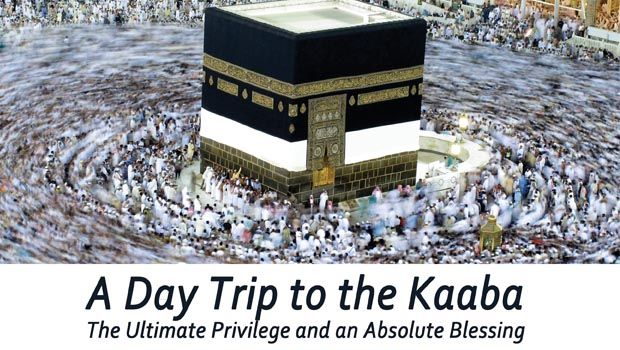
    A Day Trip to the Kaaba: The Ultimate Privilege and an Absolute Blessing

    At seven in the morning I would step out of my house into glorious sunshine and board the bus with my neighbours, who were also my colleagues, my friends, and my newly adopted family. In a state of Ihram and donned in two pieces of white cloth, the men would take the front of the bus. The women would be armed with their prayer beads and supplies of breakfast snacks as we yet again shared our overwhelming awe of being absorbed in the present moment: a day trip to the glorious Kaaba.

    We were a group of British and South African teachers living out an adventure in Jeddah, Saudi Arabia. The reasons to emigrate were many, but the common thread was our desire to be within close proximity to our spiritual home. The frustrations and stresses of working within a Saudi system paled in comparison to standing in front of the Kaaba, or in front of the beloved Prophet Muhammed’s (peace be upon him) grave and amongst thousands of worshippers who shared the same desire and passion to immerse themselves in contemplation of the oneness of God — escaping from the earthly world and into the ephemeral where the human heart can find complete rest and tranquillity.

    Words cannot convey the immensity of gratitude that ran through me each time I visited the two holy cities. Inevitably, large crowds of worshippers brought with them many challenges that had to be overcome; patience, respect, and understanding were all part of the process in ensuring that the full benefits of the Umrah trips were gained. However, during periods when international visas were closed, uninterrupted meditations were an absolute blessing. I would place my hands on the wall of the Kaaba fully absorbed in the moment. Deep in heartfelt prayers, I had the privileged opportunity to pray for all of humanity. From my late father who passed away prematurely from pancreatic cancer to the stranger who laboured endlessly to fund his child’s education, I asked Allah to grant them all peace in this world and the hereafter.

    Medina was a more relaxed experience compared to Mecca, and during the periods of closed visas, it offered an even more incredible opportunity to feel the love of the beloved prophet (pbuh). Through the blessings of Allah, I could sit close to the Prophet’s grave, taking my time in offering the two rakats of prayer and simply absorbing the immense strength of spirituality that seemed to have a unique and powerful vibe exclusively reserved for the city of Medina.

    My one year stay in Jeddah was an eclectic mix of experiences. Frustration, anger, and disappointment was balanced out with inspiring nature and beautiful friendships. But my greatest motivation was always my deep desire to be spiritually moved, to be fully absorbed into a world of prayer where only God exists. Mecca and Medina fulfilled this desire, and as I sit in my home in the UK watching the autumn change into winter, I cannot express enough gratitude for the blessings of having said time and time again, “Let’s go for a day trip to the Kaaba!”

    It is narrated on the authority of the amir al-muminin (leader of the believers), Abu Hafs Umar bin al-Khattab (may Allah be pleased with him), who said, “I heard the Messenger of Allah (peace be upon him), say, ‘Actions are according to intentions, and everyone will get what was intended. Whoever migrates with an intention for Allah and His messenger, the migration will be for the sake of Allah and his Messenger. And whoever migrates for worldly gain or to marry a woman, then his migration will be for the sake of whatever he migrated for’” (Bukhari and Muslim).

  • Muslim Youth: Developing Leaders for Today and Tomorrow

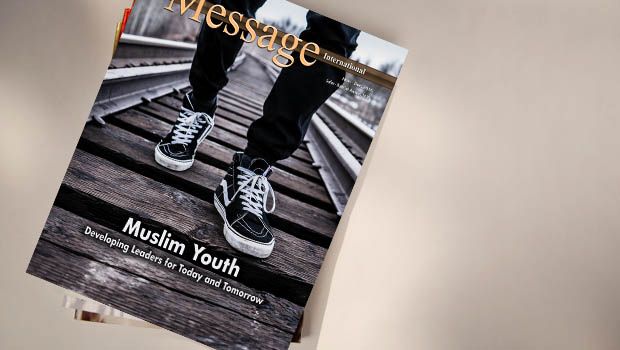
    Muslim Youth: Developing Leaders for Today and Tomorrow

    “The youth of today are the leaders of tomorrow.” This concept has been drilled into our heads. Both in Islamic contexts and elsewhere, we hear about youth potential and how one day they will be leaders of society. While experience and maturity is important, the role of Muslim youth is not to sit back and wait for the future to arrive. Prophet Muhammad, peace be upon him, told all Muslims that when we see something wrong, we should first change it with our hands. If we cannot change it with our hands, then change it with our tongues, by speaking up, and if we cannot do that, then at the very least we must recognize that evil and in our hearts, support changing the situation.

    Young Muslims presents and stresses core concepts of Islamic character and leadership, helping youth deepen their understanding of Islam and implement virtuous traits crucial to their success

    Muslim youth in America face challenges that can stifle their potential. One of the biggest challenges is the lack of necessary Islamic knowledge. Oftentimes Muslim youth in America are taught only the basics of their faith and sometimes not even that. They typically learn how to read and write Arabic without learning the meaning. It is no mystery why many young Muslims are not confident in their faith. Many do not understand Arabic enough to understand the Quran for themselves. Their own holy book can seem strange and foreign. If they want to truly understand their faith, they must go out of their way to seek Islamic knowledge.

    Another hurdle for Muslim youth in America is the lack of support in Muslim communities. Mosques sometimes feel to young people like a place of judgment and close-minded attitudes. Mosques are meant to be community centers where anyone can find help and support. Sadly, youth find that the issues they deal with are considered by adults to be too taboo or uncomfortable to discuss amongst Muslims. Youth end up turning to other sources for guidance, whether peers, social media gurus, or non-Muslim teachers or advisers. Their advice, while often well-intended, may contradict Islamic principles. Who can blame youth for taking that advice when Muslim mentors aren’t available to give them credible information and guidance suitable for young Muslims?

    Muslim youth are also constantly surrounded by vulgarity in pop culture. Every day they are exposed to music, movies, TV shows, and media filled with obscene messages. Living in a culture where modesty is rejected and “doing whatever you want” is celebrated can drain anyone, especially young people who are still building identities and figuring out their boundaries. Young Muslims in America are in a constant struggle between being accepted by society and firmly adhering to their faith. It is easier to follow the crowd and gain acceptance than to reject societal norms and risk being an outcast.

    Despite the challenges, Muslim American youth are part of history in the making. Being a Muslim in America today means you are contributing to the ever-changing portrait of Islam in America. Whether through standing up and driving change, or staying silent and allowing politicians, journalists, or even Islamophobes to speak for them, Muslim youth affect the image of Islam in America every day. The passion and energy of youth is an incredible asset. Young people can accomplish amazing feats in life when their efforts are channeled correctly. Some of the most esteemed companions of the Prophet (pbuh) gained respect and leadership positions at a young age. They used their passion and youth to help their communities grow and prosper. Their age did not limit them, instead their youth helped them further contribute to society. In order for Muslim youth to succeed as they have in the past, they must be given the proper tools.

    Safe spaces are crucial for developing dynamic youth. Muslim youth need to be in an environment where good deeds and good character are celebrated, somewhere they can to turn to receive wholesome Islamic advice without being looked down upon for their flaws. Being around people who encourage good deeds and discourage bad is a positive form of peer pressure that builds confidence and strength of character. Communities can implement this by encouraging youth to participate in community affairs, providing space to grow and learn from fellow community members while contributing to discussions and activism with their unique perspectives.

    Young Muslims, a division of ICNA, connects Muslim youth throughout America. This grassroots organization provides the tools youth need to grow and develop. YM presents and stresses core concepts of Islamic character and leadership, helping youth deepen their understanding of Islam and implement virtuous traits crucial to their success. Through weekly meetings, YM gives youth the opportunity to explore their faith and build bonds of companionship that last a lifetime. Organizations like YM give Muslim youth the tools they need to become the leaders of today and tomorrow.

  • Want Your Child to Grow in Confidence, Maturity, and Responsibility?

    Want Your Child to Grow in Confidence, Maturity, and Responsibility?

    Want Your Child to Grow in Confidence, Maturity, and Responsibility?

    Prophet Muhammad (pbuh) said: “Make [things] easy, not difficult…” (Bukhari). He (pbuh) also said, “Woe to those who exaggerate [who are too strict]!”(Bukhari). He (pbuh) also said: “Moderation, moderation! For only with moderation will you succeed” (Muslim).

    Authoritarian Parenting
    • Parents’ role comes across to the children as despotic (absolute and dictatorial power over the child)
    • Strict rules and expectations which tend to be rigid and inflexible
    • Children are expected to be unconditionally obedient and unquestioning of parental demands
    • Parents feel it is their right to be respected by the child regardless of their own behavior; little or no consideration is given to the right of the child to be respected by the parent
    • High expectations are placed on children regarding their performance academically and in reaching any other goals set in place by parents
    • Little warmth or nurturing is expressed by the parents
    • Punishments are meted out with little or no explanation; with the aim of making the child “pay” for his/her mistake or non-compliance; punishments can be harsh, unrelated to the infraction, and inconsistent
    • Children are not given choices or options; complete control is exercised over the child
    Permissive Parenting
    • Parents often seem more like a friend than a parent
    • Few rules or standards of behavior are put in place and when there are rules, they are often very inconsistent
    • Bribery with toys, gifts, and food are used as a means to get child to behave
    • Abundant love and nurturing of the children is expressed without the balance of discipline
    • Few expectations are placed on children with regard to academic performance or other goals
    Authoritative Parenting

    Authoritarian and permissive parenting styles are seen as being opposite extremes. In between the two is the authoritative parenting style.

    So don’t use an authoritarian or permissive parenting style — choose Authoritative Parenting

    • Parent comes across to the children as role model, teacher, and guide
    • Rules are established and limits are put in place; expectations about children’s behavior and goals are expressed and discussed; flexibility and willingness to make adjustments are utilized as needed or appropriate
    • Children are expected to be obedient but parents are willing to listen to the children and allow their expression of opinion as a way to encourage good communication skills, independence, responsibility, and self-direction
    • Parents feel it is their right to be respected by the child but also believe that the respect must be deserved based on their own proper and fair behavior toward the child; equal consideration is given to the right of the child to be respected by the parents
    • High expectations are placed on children regarding their performance academically and in reaching any other goals set in place by parents, often in collaboration with the child
    • Warmth, caring, and nurturance are freely and frequently expressed
    • Consequences are used as a means to teach greater self-discipline and responsibility rather than as a rote punishment of the child; parents administer fair and consistent discipline and are willing to explain the natural connection between the infraction and the consequence
    • Children are encouraged to discuss options, make choices, and develop the capacity for decision-making and self-regulation in daily living

    Contributed by LivingEman.com

  • Labeling Children as Learning-Disabled:  Offsetting the Potential Harm

    Labeling Children as Learning-Disabled: Offsetting the Potential Harm

    According to the Twenty-Ninth Annual Report to Congress by the U.S. Department of Education in 2010, as many as one out of five people in the U.S. has a learning disability, and roughly one million children receive special education in school. While it is good that children with learning disabilities are getting the specific services they need, there is also potential harm done by labeling children as learning-disabled, behaviorally-challenged, and so on; and this is an issue that parents and teachers should take seriously. The dangers of labeling go both ways: a perceived negative label such as “learning disabled” often sets a child up for academic failure and social rejection. A seemingly positive label such as “gifted” can make a child feel pressured to live up to that image and if they don’t, to feel like a failure. However, we live in a world in which labeling is, for now, inevitable and we have to find ways to offset any potential harm.

    Naming or characterizing abilities or disabilities allows a parent or teacher to utilize the right approaches in teaching and accommodating learning disabilities or handling disruptive and challenging behaviors. The problem with “naming” psychological, biochemical, and/or behavioral conditions is that the lines are often blurred as to the source of the symptoms. For example, the DEA (Drug Enforcement Administration) is alarmed that since the 1990s, Ritalin prescriptions have increased 500 percent. What in the past was seen as a child with high energy or disruptive behavior is now looked upon as a medical condition needing a pharmaceutical treatment. While there are some children who might genuinely have a biochemical imbalance, it seems certain that many more children are being treated with drugs because they exhibit behavioral issues that are a challenge in the family and the classroom and it is all too easy to drug the child rather than take the time and exert the energy to successfully address and effectively handle the challenging behaviors.

    A very interesting study was done that has far-reaching implications. Mothers of children diagnosed with ADHD were given mindfulness training. This training included: (a) contemplative and concentration exercises; (b) behavioral practices such as loving-kindness, compassion, and generosity; (c) cognitive strategies such as reflection on the transitory nature of events and circumstances; and (d) empathy practices that help a person “walk in another’s shoes.” The training provided to mothers did bring about improved behavior in the children. When the children were also provided the training, behavioral improvements were even more pronounced and some were able to be taken off their medication. This study appears to support the idea that if parents and teachers take the time and have the intention to look beyond the surface of the behavioral problem into the worth of the child — to do whatever it takes to assist him or her to find a more effective mode of coping, behaving, and responding to the world — that beneficial outcomes are possible.

    Contributed by LivingEman.com