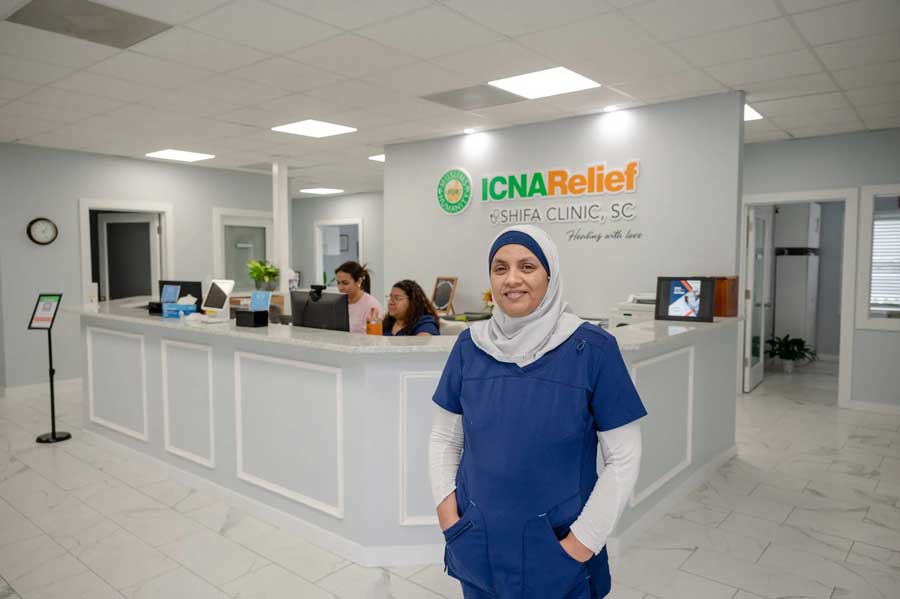
“Nine hours wait,” the emergency room nurse responds, each word landing like a heavyweight blow after a painstaking journey to the front desk. The waiting room felt like an assault on the senses, each passing second delivering a relentless punch to the stomach. The needle in the arm, an agonizing reminder of blood work done two hours ago, protruded from my skin, a silent echo to the urgency of the situation. As I surveyed the bleak waiting room, the air thick with the sounds of snoring and coughing, the gravity of the moment became palpable.
The clock ticked away, each second transforming into an hour, and the contrast between the past and the present sharpened. Just a couple of months ago, life had a different rhythm, as I was extending a helping hand at Shifa Clinic. The memory now felt like a distant past, a stark contrast to the current predicament. The stark reality of the waiting room stressed the unpredictable twists of fate, as if time itself had become an unrelenting adversary. In the midst of the seemingly endless wait, reflections on the fragility of health and the vulnerability of the human condition danced in the backdrop of my thoughts.
Volunteering at ICNA Shifa Clinic
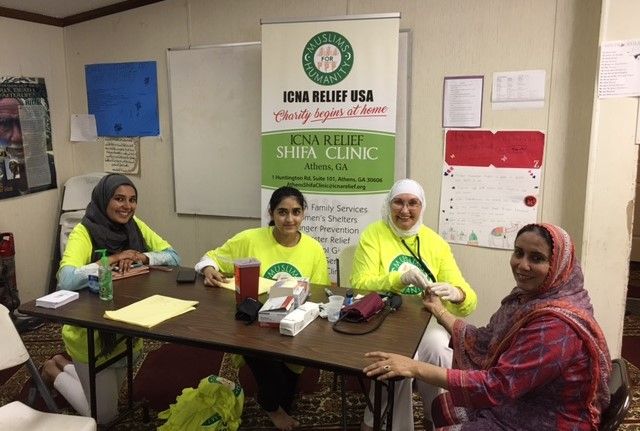 The journey at Shifa Clinic of Duluth began in 2017. From humble beginnings assisting patients with check-in to progressing through shadowing of clinical staff as part of my training, and then triaging, the experience within a compassionate and collaborative team has been, for me, transformative. ICNA Shifa Clinic, fused within the community, stands as a beacon of hope for those lacking access to adequate healthcare. Providing essential medical services for underserved patients, the clinic serves as a haven for those in the midst of financial hardship.
The vision for the future sees healthcare services reaching underserved populations throughout Georgia, especially in rural areas where access remains a challenge. Shifa Clinic’s ethos, emphasizing the importance of community engagement and education, has guided the vision toward fostering a sense of community and compassion in all facets of patient care. The core commitment is not just to treat medical conditions but to cultivate a robust sense of community. This involves catering to immediate medical needs but also elevating the overall well-being of underserved populations. The clinic is determined to create a safe and inclusive environment where everyone, regardless of background or circumstances, can access high-quality care. Shifa Clinic’s influence on my personal development played a pivotal role in directing me towards a career that prioritizes serving the underserved, advocating for equitable healthcare, and weaving a fabric of community and compassion into the very fabric of patient care. My journey with Shifa Clinic serves as a testament to the transformative power of collaborative and compassionate healthcare, inspiring a commitment to making a positive impact on the lives of those in need.
The Unforeseen Challenge
Life, however, has a way of throwing unexpected curveballs. Despite dedicating my time to helping others, I found myself on the other side of the equation when I fell seriously ill. The irony of volunteering at a healthcare clinic while grappling with my own health was not lost on me. It was a surreal experience to transition from being the one offering assistance to being the one in need.
The severity of my illness required hospitalization, and I spent four days in the hospital after being admitted from the emergency department. Immediately placed on the highest pain medication, morphine, my thoughts began to wander. The doctors, visibly distraught by the mysterious cause of my pain, ordered test after test, as I endured continuous vomiting and escalating pain in an unrelenting cycle. It wasn’t until the third day of my hospital stay that the diagnosis was finally revealed. However, by then, the overwhelming pressure had taken its toll. Nurses entering the room every two hours throughout the night to check on me deprived me of the much-needed rest. Four different specialists had checked on me every day, each encounter leaving me feeling more vulnerable. In that state, my four-day stay seemed endless. The vulnerability that accompanies illness is a humbling experience, making one acutely aware of the fragility of life. Lying in the hospital bed, my thoughts oscillated between concern for my well-being and a deep appreciation for the tireless efforts of healthcare professionals who dedicate their lives to healing others.
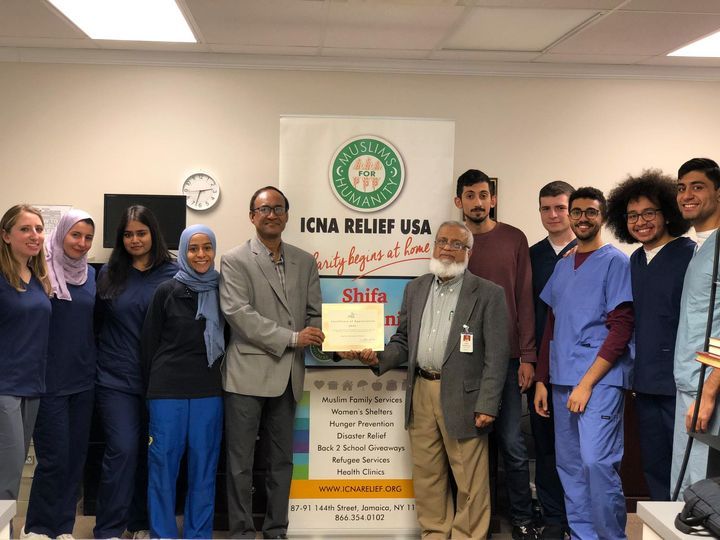 The concerns about my health were evident in the worried whispers of friends, family, and the caring individuals at Shifa Clinic. During this challenging time, Dr. Abrar, the head of ICNA’s Shifa Clinic, Duluth, stood as a beacon of support. His daily outreach, checking in on my well-being, was a comforting reassurance amid the uncertainty. Dr. Abrar’s genuine concern exemplified the close-knit community fostered at Shifa Clinic, highlighting the depth of connections that extend beyond the realm of professional collaboration.
Dr. Abrar’s consistent outreach marked not only the importance of leadership in times of adversity but also the essence of a community that genuinely cares for the well-being of its members. As I navigated the path to recovery, concern and support was an ongoing source of strength, reinforcing the understanding that personal health is not only an individual concern but a shared commitment woven into the fabric of community service.
Conclusion
Life’s unexpected curveballs, from volunteering in a healthcare setting to grappling with my own severe illness, underscore the inherent vulnerability of the human experience. Through hospitalization and the unwavering support of Dr. Abrar and the Shifa Clinic community, the fragility of life is presented, and the significance of empathy, compassion, and community care shines through. A small yet profound story affirms the essence of service and healing. The clinic’s compassionate ethos showcases a vibrant community of collective power and unwavering dedication to assisting those in need.