بسم الله الرحمن الرحيم

Author: Liliana Anaya Giraldo

  • El papel de la mujer musulmana  en la crianza de sus hijos

    El papel de la mujer musulmana en la crianza de sus hijos

    Hace más de diez años que soy musulmana, alhamdulillah (toda alabanza es para Alá). Nací en Colombia en una familia católica por tradición, y desde mis inicios en el islam siempre había tenido muy presente el hecho de que mis acciones serían cuestionadas en el Día de Juicio. Hace más de tres años, tuve el privilegio de ser madre. En ese momento me di cuenta que no solo sería interrogada acerca de mi islam, sino también por el de mis hijos; me había convertido en la madre de un creyente. Eso dio pie a cuestionar el rol de la mujer musulmana en desarrollar un ambiente propicio en sociedades donde el islam es una minoría para que nuestros hijos fueran buenos musulmanes y tuvieran un conocimiento del Corán y la Sunnah. Es claro que Alá es el que guía los corazones, sin embargo es nuestra obligación como mujeres musulmanas y como madres, el preparar el ambiente social y familiar para que nuestros hijos puedan desarrollarse como musulmanes de bien.

    Este artículo es una adaptación de un estudio realizado por la esposa del conocido Dr. Bilal Philips, quien realizó una investigación mientras vivía en Qatar entrevistando a madres de musulmanes que eran considerados piadosos, para ver cuáles eran los factores en el hogar y el ambiente, tanto como los hábitos y las características que tuvieron sus padres para hacer posible la crianza de buenos hijos musulmanes. Mi punto de vista se enfoca en la realidad de las mujeres musulmanas en sociedades donde no somos la mayoría, a diferencia de Qatar, para saber cómo establecer un ambiente propicio y saludable para facilitar la crianza islámica para los hijos, y el rol de la mujer musulmana en el desarrollo de estas características.

    Primero que nada tenemos que tener un objetivo claro en la crianza de nuestros hijos y ese debe ser criar musulmanes rectos para que obtengan el paraíso; musulmanes que tengan claro que en esta vida estamos para adorar a Alá y buscar su complacencia. El Profeta, que la paz este con él (p), menciono que el paraíso se les promete a los niños que sean criados como musulmanes rectos y piadosos.

    Narró Abu Hurairah, que Alá este complacido con él, que el Profeta (p) dijo como parte de una narración más larga: “Siete personas serán albergadas por Alá bajo Su sombra el día en que no habrá más sombra que la Suya: Un dirigente de la comunidad que haya sido justo, un joven que haya crecido en la adoración a Alá…” (Bujari)

    La primera característica necesaria para criar creyentes piadosos es la taqua, la piedad. Es el derecho de todo niño musulmán que sus padres sean rectos y piadosos. Alá ha prometido como uno de los frutos de la taqua, hijos piados. Los padres deben asegurarse que su creencia vaya acorde al Corán y la Sunnah, y que pongan en práctica todo lo que aprendan. La forma de asegurarnos el futuro en esta vida y en la otra es teniendo taqua. Dice Alá en el Corán:

    “Sabed que Alá siempre le dará una salida a quien Le tema, y le sustentará de donde menos lo espera”.

    La forma de acercarnos a la taqua es a través del conocimiento. Es indispensable que la mujer musulmana se eduque, y tenga conocimiento de quien es Alá, sus atributos, y todo aquello que sea pertinente a la trasmisión del conocimiento islámico a nuestros hijos. Porque la educación islámica no se inicia cuando nuestros niños puedan ir a las escuelas, se inicia antes, con los padres. Es el derecho de los niños musulmanes que el ambiente en el que ellos se desarrollen como personas vaya en concordancia con los principios y valores islámicos que les queremos enseñar.

    La segunda característica que debemos desarrollar para criar musulmanes rectos es hacer dua (suplica) por nuestros hijos. Es el derecho de los niños musulmanes que sus padres recen por ellos, incluso antes de nacer, tanto así que se nos enseña a hacer una súplica cada vez que vamos a tener una intimidad con nuestros esposos, en la cual pedimos a Alá por la protección de nuestros hijos si fueran a nacer a causa de esa relación.

    Alá dice en el Corán:

    “Aquellos que piden: ¡Oh, Señor nuestro! Agrácianos con conyugues e hijos que sean un motivo de alegría y tranquilidad para nosotros, y haz que seamos un ejemplo para los piadosos”.

    Como padres debemos hacer súplicas sinceras pidiendo hijos piadosos, con la certeza de que nuestras súplicas van a ser respondidas. Sin embargo debemos tener en cuenta que para que nuestras súplicas sean contestadas debemos ser personas correctas en el islam y no tener un corazón negligente, y hacer las súplicas con la metodología que el Profeta (p) nos enseñó.

    La tercera característica necesaria para la crianza de creyentes piadosos es el derecho de los niños musulmanes de que sus padres sean buenos ejemplos. No se les puede pedir a los niños que hagan algo que no hacen sus padres. Alá critica severamente a los que hacen esto:

    “¿Acaso ordenáis la piedad a las personas y os olvidáis de practicarla vosotros mismos, siendo que leéis el Libro? ¿Es que no razonáis?”

    Podemos forzar a los niños a hacer lo que decimos, pero eso no significa que ellos han internalizado esa característica o comportamiento deseado y tampoco que continuarán actuando de la manera correcta ya cuando no tengan supervisión. Los padres deben tratar de ser el mejor ejemplo para sus hijos porque el carácter se forma en el hogar. Y los niños más a menudo imitan a los padres, ya sea en el bien o en el mal.

    La cuarta característica es la paternidad con apego, o crianza con apego, un enfoque de la crianza de los niños que se basa en la crianza sensible y emocionalmente disponible. Es el derecho del niño ser tratado con cariño; de ser amado. Esto se inicia con la lactancia materna. Es fundamental para el desarrollo psicológico y emocional del niño crear este vínculo con la madre en su infancia. Alá ha prescrito dos años de lactancia. Dice en el Corán:

    “Las madres divorciadas también amamantarán a sus hijos dos años si desean completar la lactancia, y el padre tiene la obligación de proveer a la madre de su hijo el sustento diario y la vestimenta de acuerdo a sus recursos, a nadie se le exige fuera de sus posibilidades.” (2:233)

    Durante mucho tiempo, la sociedad se ha alejado de esto, y es hasta ahora que se ha vuelto a resaltar la importancia de la lactancia exclusiva durante los primeros seis meses, y lactancia hasta los dos años, tal como lo estipula la ORGANIZACIÓN MUNDIAL DE LA SALUD, que recomienda “la lactancia continua junto a los alimentos adecuados suplementarios hasta los dos años de edad…”. El beneficio de la lactancia fue establecido en nuestras tradiciones islámicas hace más de 1.400 años, pues el lazo entre la madre y el bebé forma la base para una relación entre los padres y el niño llena de amor y misericordia. De igual manera, este contacto es importante para el desarrollo emocional del niño. El profeta (p) dijo: “No es de los nuestros quien no es misericordioso con nuestros niños”. Este derecho del niño recibir misericordia de sus padres se extiende a ambos padres- darles tiempo de calidad, atención, compresión, cariño, y un sentido de seguridad.

    La quinta característica necesaria para la crianza de creyentes piadosos es el derecho de los niños ser educados islámicamente. Como dijo el Profeta Muhammad (p): “La búsqueda del conocimiento es una obligación para todo musulmán”. Esto se refiere principalmente al conocimiento islámico. Esto se debe iniciar desde temprana edad. A los niños se les debe enseñar la aqidah (doctrina), los valores, y los actos de adoración, todo de una manera apropiada para su edad. Es importante también promover la meta de alcanzar una educación profesional en nuestros hijos pero la intención no debe ser una materialista o mundanal, sin referencia al Más Alla. Se les debe enseñar que el objetivo de obtener títulos y desarrollar una carrera es una manera de suplementar la educación islámica para adquirir el conocimiento islámico y la virtud. De esta forma, la educación superior se usará para servirle a Allah, a la comunidad musulmana, y a la humanidad.

    Debemos enseñarle el amor por el profeta Muhammad (p) a través de historias, y enseñarles sobre el bien y el mal, y la recompensa en el paraíso y el castigo en el infierno por nuestras acciones, en un lenguaje que ellos entiendan, y sobre todo debemos ensenarles sobre el ihsan, que Alá todo lo ve.

    Tenemos que incorporar, ante los ojos de nuestros niños impresionables, la devoción que surge de amar, adorar, y confiar en Allah tan profundamente que la relación con Él es como si se le viera – ese sentimiento que motiva hacia la bondad. Debemos asegurarnos de que nuestros hijos sepan cómo el Profeta Muhammad (p) ha descrito el Ihsan: “… adorar a Dios como si lo pudieras ver, y si no lo puedes ver, entonces ciertamente [sabed que] Él te ve” (Al-Bujari y al-Muslim).

    Tenemos que La sexta característica es el derecho de un niño musulmán que su casa sea un ambiente positivo donde se practique el Corán y la Sunnah del Profeta (p). Debemos tener en nuestra casa todo lo necesario para crear un ambiente tranquilo y estable para los niños. Muchos elementos contribuyen a este ambiente, pero escuchar el Corán y rodearse con personas religiosas y de buen carácter, son esenciales.

    Adicionalmente, debemos enseñarles a nuestros hijos como responder a las preguntas y cuestionamientos acerca del Islam y sobre todo cómo interactuar con amor y compasión con todos aquellos que no siguen nuestra fe. El acuerdo y el apoyo mutuo entre los padres son esenciales al disciplinar o establecer límites para los niños. Los padres deben compartir la misma visión acerca de la crianza y consultarse mutuamente para establecer las reglas y normas de disciplina. También se debe recompensar adecuadamente a los niños con el refuerzo positivo, las expresiones de aprecio y gratitud, y de vez en cuando con una recompensa material, con el fin de promover sus buenas acciones y apoyar su crecimiento y desarrollo.

    Finalmente, si nosotras entendemos nuestra religión, podemos ser una parte activa en la sociedad, sin llegar a sacrificar nuestra identidad como musulmanas y a través del ejemplo, inculcarle a nuestros hijos que ser musulmanes no sólo implica trabajar por nuestras comunidades, sino procurar el mejoramiento social en general. Debemos sentirnos orgullosas del rol que tenemos como mujeres musulmanas, y como madres de las futuras generaciones de creyentes, y la importancia de nuestro papel en cultivarles a nuestros hijos los principios islámicos para que sean agentes de cambio y desarrollo positivo, saludable, y balanceado en esta sociedad.

  • The Role of the Muslim Woman in the Upbringing of Her Children

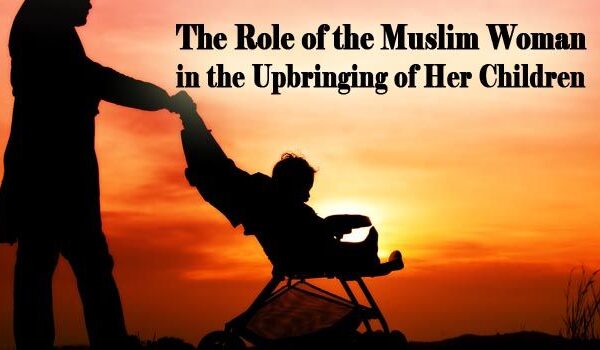
    The Role of the Muslim Woman in the Upbringing of Her Children

    It has been over ten years now that I have been a Muslim, alhamdulillah (all praise is due to Allah). I was born in Colombia into a Catholic family, so from my early days in Islam, I was very aware that my actions would be questioned on the Day of Judgment. More than three years ago, I had the privilege of becoming a mother. At that time, I realized that not only would I be questioned about my Islam, but also about that of my children. I had become the mother of a believer. That led me to question the role of Muslim women in developing an ideal environment in societies where Muslims are a minority so that our children grow up to be good Muslims and have knowledge of the Quran and Sunnah. It is clear that Allah is the one who guides the hearts, but it is our duty as Muslim women and as mothers to prepare the social and family environment for our children to develop into good Muslims.

    It is the right of Muslim children that the environment in which they are raised is in line with the principles and values that are Islamically ordained

    This article is adapted from a study by the wife of the renowned Dr. Bilal Philips, who conducted research while living in Qatar. She interviewed mothers of Muslims who were considered pious to see what factors in the home and environment, as well as what habits and characteristics the parents had, that made raising good Muslim children possible. My focus is on the reality of Muslim women living in societies where Muslims are not the majority, unlike Qatar, so as to learn how to establish a suitable environment, healthy and loving family dynamic, and parental characteristics that all facilitate an Islamic upbringing for the children.

    First of all, we must have a clear objective in raising our children and that should be to raise righteous Muslims so that they can gain paradise — Muslims who are clear that we are in this life to worship Allah and seek His pleasure. The Prophet, peace be upon him (p), mentioned that Paradise is promised to the children who are raised as righteous and pious Muslims. Narrated Abu Hurairah, may Allah be pleased with him, the Prophet (p) said as part of a longer hadith, “Seven people will be shaded by Allah under His shade on the Day when there will be no shade except His. They are a just ruler, a young man who has been brought up in the worship of Allah…” (Bukhari)

    The first factor necessary in the raising of righteous believers is taqwa, piety or God-consciousness. It is the right of every Muslim child that his or her parents be righteous and pious. Allah has promised as one of the fruits of taqwa, pious children. Parents should ensure that their beliefs are in accordance with the Quran and Sunnah, and that they implement and put into practice whatever they know and learn. Allah says in the Quran: “And whosoever fears Allah and keeps his duty to Him, He will make a way for him to get out [from every difficulty]. And He will provide him from [sources] he never could imagine” (Qur’an, 65:2-3).

    The way to obtain taqwa is through knowledge that leads to purifying of the heart. It is essential that the Muslim woman become educated and aware of Allah, His attributes, and everything that is relevant to the transmission of Islamic knowledge to her children. Islamic education does not begin when our children go to school; it begins earlier with the parents. It is the right of Muslim children that the environment in which they are raised is in line with the principles and values that are Islamically ordained.

    The second factor that facilitates the raising of righteous Muslims is making dua (supplication) for them. It is the right of Muslim children that their parents pray for them, even before birth, so much so that we are taught to make a prayer every time we are intimate with our spouses, in which we ask Allah to protect our children in case they are born as a result of that intimacy. Allah says in the Qur’an: “And those who say: ‘Our Lord! Bestow on us from our wives and our offspring the comfort of our eyes, and make us leaders of the righteous’” (25:74). As parents, we should make heartfelt pleas asking for pious children, with the certainty that our prayers will be answered. However, we should also note that for our prayers to be answered, we should be upright individuals, ensure that our hearts are supple with surrender, and make our supplications sincere and full of yearning.

    The third factor necessary in the raising of righteous believers is the right of the Muslim child to have parents that are, themselves, good examples of virtue. Parents cannot ask a child to do something that they are not in the habit of doing. Allah severely criticizes those who do this: “Do you enjoin righteousness on the people and forget yourselves [to practice it]. And yet you study the Scripture! Have you then no sense?” (Qur’an 2:44). We can force children to do whatever we demand of them, but that does not mean they have internalized the desired trait or behavior and will continue to act as such when they are no longer under parental supervision. Parents should strive to be the best example for their children because good character is formed at home. And children will most often imitate the parents, be it in goodness or wrongdoing.

    The fourth factor is attachment parenting which is an approach to childrearing that is based upon sensitive and emotionally available parenting. It is the child’s right to be treated with affection, love, and caring. This begins with breastfeeding. It is essential for the psychological and emotional development of the child to create this bond with the mother. Allah has prescribed up to two years of breastfeeding. It says in the Quran: “And the [divorced] mothers may nurse their children for two whole years, if they wish to complete the period of nursing; and it is incumbent upon him who has begotten the child to provide in a fair manner for their sustenance and clothing. No human being shall be burdened with more than he is able to bear” (2:233).

    In recent times society had moved away from this. The importance of breastfeeding exclusively for the first six months, however, has gained traction more recently and its benefits have once again been emphasized by many in the medical community. The World Health Organization recommends “continued breastfeeding along with appropriate complementary foods up to two years of age…” The benefit of breastfeeding was established in our Islamic traditions over 1400 years ago as the bond between mother and child forms the basis for an ongoing parent-child relationship infused with love and mercy. The Prophet (p) said: “He is not one of us who is not merciful to our children.” This right of children that their parents be merciful to them must be granted by both parents—giving them quality time, attention, understanding, affection, and a profound sense of security.

    The fifth factor necessary in the raising of righteous believers is the right of children to be educated in Islam. As Prophet Muhammad (p) said: “Seeking knowledge is an obligation for every Muslim.” This refers, first and foremost, to Islamic knowledge, and should begin at an early age. Children should be taught aqeedah (doctrine), good manners, and acts of worship, appropriate to their age, of course. It is also important to promote in our children the goal of obtaining professional education. However, the intention should not be a materialistic or worldly one, with no reference to the Hereafter. The goal of earning college degrees and building successful careers should be ingrained in our children as being supplemental to the goal of being Islamically knowledgeable and virtuous. Thus, higher education is to be used to serve Allah SWT, the ummah, and humanity. We should teach our children a love of the Prophet Muhammad (p) through stories, and teach them about good and evil and the recompense in heaven or hell for one’s life choices, always on a level appropriate to their age and degree of maturity and understanding.

    And we must teach our children about ihsan, the striving for perfection, an excellence that comes with demonstrating and expressing the conviction of one’s inner faith in daily words and actions. We must embody, in the eyes of our growing, impressionable children, the devotion that stems from loving, worshipping, and trusting Allah SWT so deeply that the relationship with Him is as if one sees Him — that immediate, that heartfelt, indelibly motivating toward goodness. We must make sure our children know how Prophet Muhammad (p) has described ihsan: “… to worship God as though you see Him, and if you cannot see Him, then indeed [know that] He sees you” (Al-Bukhari and Al-Muslim).

    The sixth factor is the right of a Muslim child to have a home in which there is a positive environment, where the Quran and the Sunnah of the Prophet (p) are practiced. We must have in our homes everything needed to create a peaceful and stable environment for our children. Many elements contribute to this kind of environment, but listening to the Quran and surrounding ourselves with religious people, those of good character, are essential.

    Additionally, we must teach our children how to answer questions and queries about Islam, and especially how to interact with love and compassion with those who do not follow our faith. Agreement and mutual support between parents are essential when disciplining or setting limits for children. The parents must share the same vision of childrearing and consult with each other so as to establish an agreed-upon set of guidelines and rules for discipline. We should also reward our children when they are deserving, with positive reinforcement, expressions of appreciation and gratitude, and occasionally with a material reward, in order to promote their good deeds and support their growth and development.

    Finally, if we understand our religion, we can play an active part in the society, without sacrificing our identity as Muslims; and through example, to instill in our children that being a Muslim not only means working for our communities, but seeking social improvement in general. We should be proud of the role we have as Muslim women, and as mothers of the future generations of believers, and the importance of our role in cultivating Islamic principles in our children so that they can be agents of positive, healthy, and balanced change and development in the society.