
In the 1980s, the Muslim community would print flyers with political representatives’ names and contact information. People were encouraged to call or send a standard letter: “I am a tax-paying citizen…”
In the 1990s, the same information moved online.
Then came the 2000s, with apps that let you find your representatives and send emails directly. Throughout this time, the community also was urged to register and vote. Slowly, more people began participating.
Methods and tools have improved, but for years Muslim political engagement in the United States has followed a familiar script: Call your representative. Register to vote. Vote.
More recently, Muslims added another dimension – advocacy days.
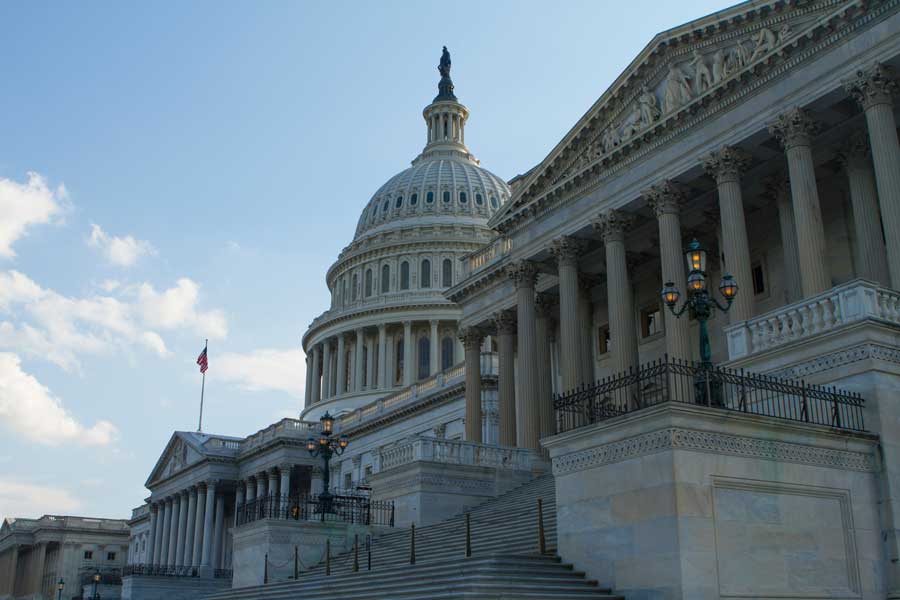
We fly volunteers to Washington, D.C., train them, and send them to meet their representatives, often for about 15–20 minutes. This is good, and it has real benefits. Young people experience Capitol Hill, see how advocacy works, and they may return energized and more politically aware.
We celebrate these moments, and, to be fair, they have value. They build confidence, exposure, and a sense of participation.
But we must ask an honest question: Are these activities actually shifting power? Are they truly impactful, knowing how our representatives are approached by all sides and, perhaps, multiple times in many ways?
 Calling your representative and visiting them in person are, at their core, the same activity. One happens on your phone, the other is achieved after spending thousands of dollars. Meanwhile, powerful and influential political action committees operate very differently. They fund campaigns, shape media narratives, influence voters, and build long-term pipelines.* They understand the system, and they work it at every level.
On the other hand, we are focusing mostly on the last step – talking to elected officials. At the same time, we are largely ignoring earlier and more powerful steps such as shaping public opinion, influencing voters, supporting candidates early, and building future leaders.
So perhaps it is time to consider a strategic shift.
Strategic Shift: From Access to Influence
-
Invest in Social Media Influence
Run targeted campaigns, speak to broader audiences, and frame issues in a language people understand. There are organizations like TrackAIPAC and AmericansAgainstBillions working to influence voters with impressive material. We can support such efforts or build our own coordinated campaigns.
-
Build a Pipeline
Create structured internships with existing organizations, support political education, place youth in campaigns, and mentor future leaders. Influence grows when you develop people, not just moments.
-
Support Broader Coalitions
Partner with civil liberties groups and reform organizations working on shared concerns. Impact increases when we are part of larger, credible movements.
-
Reframe Success
Measure impact not by how many people attend events, but by shifts in public opinion, voter engagement, and long-term placement in influential roles.
I believe that, compared to in-person advocacy visits, spending the same resources on a well-planned media and outreach strategy can have a much greater long-term impact. Politicians do not change because they are persuaded in a meeting. They change because they feel pressure from voters. They are running to win.
Let’s not just speak to power; Let’s shape the forces that create power.
Beyond Advocacy Day: Building Long-Term Relationships
Those who would like to plan/ attend advocacy days should not limit themselves to one annual trip. If meetings with elected officials are worth taking part in, they should occur several times throughout the year.
Many advocacy visits focus exclusively on what we want. We arrive, present our concerns, make our requests, take a photograph, and leave. But effective advocacy is built on relationships, not transactions.
Before meeting with elected officials, participants should be educated about the issues under discussion, the political realities surrounding them, and the specific actions being requested. Knowing what is happening behind the issues their representative has voted on allows advocates to speak more effectively and realistically.
 What’s more, meetings should not focus only on criticism or demands. Elected officials also should hear appreciation for actions they have taken in other matters that benefit the community. Genuine appreciation builds credibility and trust and demonstrates that advocates are involved. Most importantly, representatives need to know their relationship with the community does not begin and end with an advocacy visit. Politicians notice this pattern, and, when there is no continued engagement, it becomes easier to ignore requests.
Communities should remain visible within their districts. Invite elected officials to community centers, schools, mosques, churches, and local events. Attend town halls, and organize small neighborhood discussions and corner meetings. Maintain regular contact.
Advocates also should understand a basic political reality: Campaigns spend money on advertising, mailings, yard signs, and media exposure for one reason – to earn votes. While financial support may help candidates communicate their message, organized voters are often even more valuable. A community that can mobilize voters, volunteers, and public support possesses real political influence.
Representatives should know your community is prepared not only to ask for help but also to help them connect with constituents, understand local concerns, and earn public trust. The most effective advocacy occurs when elected officials see a community as a permanent partner rather than an occasional visitor.
Advocacy is not an annual event. It is the continuous conversion of relationships into influence and influence into desired change.
*Pipelines
A deliberate system for identifying, training, supporting, and advancing people into positions of influence over many years.
A powerful PAC does not simply try to influence today’s politician, it invests in creating tomorrow’s politicians, journalists, judges, activists, donors, policy experts, and community leaders.
Think of it as a pipeline: High school student → college activist → intern → campaign volunteer → legislative staffer → policy analyst → candidate → elected official
The organization helps people move through those stages. When the results are produced, the organization is no longer merely a lobbying power. It has become part of the power structure itself. One approach seeks influence from outsiders. The other develops influence from within. Meeting leaders is necessary, but developing tomorrow’s leaders is even more important.
For example, many influential organizations:
- Offer internships for students.
- Place young people in congressional offices.
- Train future candidates.
- Connect them with mentors.
- Introduce them to donors.
- Help them build professional networks.
- Encourage them to serve on boards and commissions.
- Support them when they run for office.
Twenty years later, some of those individuals become:
- Members of Congress
- State legislators
- Mayors
- Judges
- Journalists
- University professors
- Agency officials
- Political consultants
Media Pipeline
A community may complain about negative coverage. A more strategic approach is to encourage and support:
- Student journalists
- Writers
- Podcasters
- Documentary filmmakers
- Social media influencers
- Policy researchers
Over time, some become editors, producers, columnists, and media executives.
A Civic Pipeline
We can encourage people to serve on:
- School boards
- Park districts
- Library boards
- Police advisory committees
- Municipal commissions
- Chambers of commerce