بسم الله الرحمن الرحيم

Tag: malcolm x

  • Convicted Killers of Malcolm X Exonerated

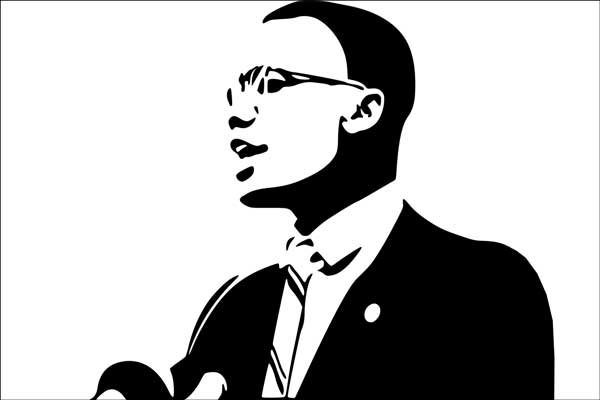
    Convicted Killers of Malcolm X Exonerated

    The recent exoneration of 83-year-old Muhammad Aziz and the late Khalil Islam for the 1965 assassination of human rights icon Malcolm X is a 55 year long-delayed judicial affirmation of their innocence. Formerly known as Norman 3X Butler and Thomas 15X Johnson, Aziz and Islam were members of the Nation of Islam and, like many in the organization, wanted to see Malcolm X dead because of their insistence that he had betrayed the trust of Elijah Muhammad. But they were innocent of the murder, and the exoneration came after the Manhattan District Attorney’s office and lawyers for the defendants engaged in a 22-month investigation to review evidence in the case.

    The reinvestigation of the men’s convictions was predicated on previously withheld evidence pointing to their innocence. The legal efforts to exonerate the two men were bolstered by the tireless efforts of historians, researchers, lawyers, and those who knew the two men who were tenacious in maintaining their innocence for more than five decades. The pressure to reopen the investigation reached a crescendo after the airing of the highly acclaimed Emmy-nominated Netflix documentary Who Killed Malcolm X in February 2020. Decades-long exhaustive research and exclusive interviews by historian and longtime Malcolm X admirer Abdur Rahman Muhammad provided the impetus for the documentary. The film revealed the roles played by the New York City Police Department, the FBI, and the Nation of Islam in facilitating the killing of Malcolm X and the perpetuation of the false narrative about the tragic event.

    I first met Abdur Rahman Muhammad one evening decades ago in Washington, D.C. on Georgia Avenue NW in front of the ever-popular Pyramid Bookstore. He was a new convert to Islam at the time and was engaged in a heated exchange with 3 or 4 Nation of Islam members about their unorthodox beliefs. My instinct was to try to diffuse the situation by extracting the fiery Abdur Rahman from that space before something bad happened. He is not a neophyte to Malcolm research. I believe his research about Malcolm X and the Nation of Islam began sometime around this event a few decades ago.

    Prosecutorial and Law Enforcement Misconduct

    Many past and present social justice figures, politicians, and community leaders and influencers have been victims of prosecutorial and law enforcement misconduct. These manufactured convictions have had the effect of undermining respect of, and confidence in, the judicial system. This system has been proved to be fundamentally flawed because of structural racism as well as inequitable dispensation of justice based on the financial capacity of defendants to “purchase” justice. There have been more than 2,500 known exonerations in the United States since 1989. At least 190 individuals formerly on death row have been exonerated. If the recent exoneration of two men who served two decades in prison for assassinating Malcolm X teaches us anything, it should be that not everyone convicted in U.S. courts is necessarily guilty of a crime. A good example is the case of Imam Jamil Abdullah Al-Amin. Like other political prisoners in the U.S., he is a victim of slow death by medical neglect. He was convicted of murdering a Cobb County deputy sheriff in 2002 and wounding a second deputy even though his supporters’ and defense attorneys’ belief is that the evidence was illegitimate. Before the conclusion of Al-Amin’s trial, another man, Otis Jackson, confessed to the shooting. The shooting victims both testified (the deputy who died described the assailant before his death) that the shooter was 5 feet 8 inches tall with gray eyes. Imam Jamil is 6 feet 5 inches with brown eyes. Otis Jackson fits the description given by the officers.

    The Brazen Killing of Malcolm X

    The assassination of Malcolm X in Harlem’s Audubon Ballroom was brazenly carried out by a team of Nation of Islam assassins in a crowded hall of 400 people. Present were individuals curious about Malcolm X’s post-NOI direction and there were his ardent supporters as well, including his wife Betty Shabazz and four of their young daughters. The assassins made no attempt to disguise their identities or devise an elaborate escape plan. They correctly surmised that the shock effect of their bold actions would so terrorize potential witnesses that few, if any, would provide positive identification of the murderers. Thomas Hagan, also known at the time of the assassination as Talmadge X Hayer and currently going by Mujahid Abdul Halim, was captured by some of Malcolm’s followers, brutally beaten, and shot in the leg as he attempted to escape the Ballroom.

    Thomas Hagan was arrested on the scene that fateful day by New York City police officers and charged with the murder of Malcolm X, El Hajj Malik El Shabazz. Two days later, Norman 3X Butler and Thomas 15X Johnson were arrested and charged with Malcolm’s assassination. During his 1966 trial, Hagan informed the court that neither Norman 3X Butler nor Thomas 15X Johnson participated in the assassination. The court rejected consideration of this newly revealed information, resulting in all three of the accused being found guilty and sentenced to 20 years to life in prison.

    Hagan initially denied his involvement, but during the trial confessed to the crime. At the time, Hagan did not disclose the identities of his accomplishes. In 1977, when Butler and Johnson unsuccessfully appealed their convictions, Hagan submitted sworn affidavits once again denying Butler’s and Johnson’s participation in the assassination and disclosing the names of four of his actual partners in Malcolm’s assassination. The names provided to the court by Hagan were Ben X Thomas (aka Ben Thompson), Leon X Davis, William X, and Wilbur X, all members of Newark’s Temple No. 25. The full names of the killers were Benjamin Thomas, Leon Davis, William Bradley, and Wilbur Mckinley. The four hitmen were never charged with the murder of Malcolm X. William Bradley, who was identified as the man sitting in the front row during those fateful moments of Malcolm’s assassination, sprang from his seat and with one shotgun blast to the left side of the chest of the fallen martyr, ended the life of one of the most influential figures of the 20th century.

    Bradley was a career criminal after Malcolm’s murder, committing robberies, aggravated assault, and drug offenses. Changing his name to Al-Mustafa Shabazz, he married a prominent political activist in Newark, New Jersey. He curiously even appeared in a political advertisement in Newark for then mayoral candidate Corey Booker. The ad was pulled after a New York Times article exposed Shabazz’s likely connection to the murder of Malcolm X. The other three alleged unindicted murderers all lived their lives virtually hiding in plain sight.

    Many Knew the Identities of the Murderers

    In 1978, I was assigned to work in Southern Alabama on union organizing campaigns. One of my union co-workers was the sister of former heavyweight boxing champion Joe Frazier. Over meals, the organizers would mostly discuss campaign strategies and politics. Frazier’s sister was amused that I was naïve enough at the time to believe that Thomas 15X Johnson and Norman 3X Butler were the assassins of Malcolm X. She would laugh and say that every fool knew that two of the actual murderers lived in her adopted home of Patterson, New Jersey and that she knew the names of the other two and how they got their “daily bread.” As my fascination with Malcolm grew over the years, I met and developed different levels of friendships with several of his close associates from the NOI, Muslim Mosque, Inc, and Organization of Afro-American Unity, including Dr. Betty Shabazz.

    Among those willing to discuss the issue, there was unanimity of opinion that Butler and Johnson were not part of the team of assassins who killed Malcolm X. In 1975, I gave a lecture on Islam to a large gathering of inmates at Lewisburg Federal Penitentiary in Pennsylvania. I was amazed when one of the brothers informed me that one of the convicted killers of Malcolm X, Mujahid Abdul Halim, was in the audience and had been temporarily transferred for either medical treatment or protective custody. I had no desire to meet him.

    Mujahid Abdul Halim was paroled from New York state prison in 1985. Muhammad Abdul Aziz was also paroled in 1985. Khalil Islam was released from prison in 1987 and died in 2009. According to the meticulous research in the 1992 book The Judas Factor: The Plot to Kill Malcolm X by Karl Evanzz, Malcolm told his confidante and supporter James Shabazz on February 16, 1965, that, “I have the names of five Black Muslims assigned to kill me. I will announce them at the meeting [February 21, 1965].” Malcolm did not live long enough to reveal the names of his suspected killers. Eyewitnesses reported that Betty Shabazz took a blood-soaked piece of paper believed to be the list containing those names from her husband’s coat pocket as he lay on the stage of the Audubon. Before his martyrdom, Malcolm also expressed to his close associates that he was going to stop saying that it was the Nation of Islam that was trying to kill him. He knew they did not have the reach to try to poison him in the Cairo Hilton Hotel restaurant or to influence the French government to forbid his deplaning in France on his final overseas trip mere weeks before his assassination. So, others, more powerful, were also intending to take him out.

    There is a hadith that states when Allah SWT loves someone, He declares that love to angels who announce that love throughout the heavens. Allah SWT then places the love of that person in the hearts of humans so that he or she is loved on earth. Malik Shabazz, Malcolm X, has been a beloved figure worldwide for over half a century. His life lessons and prescriptions for the establishment of social justice movements have transcended the boundaries of his generation, race, nationality, and political beliefs. Although he was only 39 years old and had been a practitioner of mainstream Sunni Islam for just 11 months before he died, Malcolm X has influenced millions worldwide to embrace Islam. It seems ironic that 55 years after his martyrdom that a documentary streaming on Netflix, and the exoneration of two people falsely convicted of his murder, would ignite for another generation a newly found interest in America’s Muslim martyr.

    A Larger Perspective on the Exonerations

    The exoneration of Muhammad Aziz and Khalil Islam for the assassination of Malcolm X is a long-overdue remedy for the gross miscarriage of justice committed against them. Yet, the national and international publicity that highlighted their two decades of false imprisonment and excruciating 55-year delay before being cleared of all charges can never remedy the hardship and pain suffered by the two men and their family members. Nor is it likely that other victims of prosecutorial and law enforcement misconduct who are currently languishing in prisons today will directly benefit from this high-profile exoneration. The United States is a carceral nation that has intertwined racial capitalism [“the process of deriving social and economic value from the racial identity of another person” (Leong)] and structural racism. Thus, the U.S. has the largest prison population of any country, with currently 2.1 million citizens incarcerated, according to the Pew Research Center. According to The Color of Justice Sentencing Project statistics, African Americans are incarcerated in state prisons at a rate of five times that of Whites, the most disproportionate representation of a single racial or ethnic group anywhere on earth. The U.S. also has the largest number of for-profit privately-owned prisons in any country.

    Nationally, one in 81 African American adults in the U.S. is serving time in prison. Since exonerations are granted on the state level, it is highly improbable that states will be motivated to accelerate their own pace of evidentiary review of convictions because of New York state murder convictions from half a century ago that ultimately were vacated and the convicted men exonerated. The efforts of groups like the Innocence Project to investigate dubious felony murder conviction cases are meritorious and valuable. However, a simultaneous movement to overhaul the criminal justice system is essential to minimize, with the ultimate objective of eliminating, convictions based on random arrests, witness tampering and coercion, and exclusion of African Americans and Latinos from jury pools. Nonetheless, the exoneration of Muhammad Aziz and Khalil Islam and the resultant correction of the historical record involving the assassination of Malcolm X, Malik Shabazz, cannot be overstated.

    For additional information, the following books are recommended:
    The Autobiography of Malcolm X: As Told to Alex Haley
    The Judas Factor: The Assassination of Malcolm X, by Karl Evanzz
    The Dead Are Arising, The Life of Malcolm X, by Les Payne and Kamara Payne
    On The Side of My People: A Religious Life of Malcolm X, by Louis A. DeCaro, Jr.
  • The Cry of the Bugle: Stand Back and Stand By

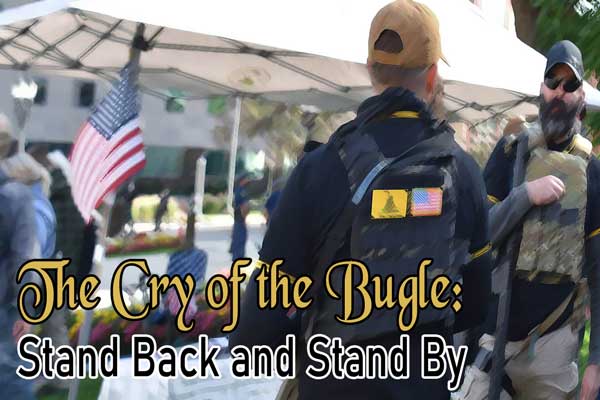
    The Cry of the Bugle: Stand Back and Stand By

    As early as 1758, some variation of a brass bugle was used by military commanders in England, and later in the United States, to clearly communicate commands on the battlefield. The bugle’s distinct-sounding cry could be heard far above the noise and confusion of combat. That, of course, was prior to the advent of aerial bombings, thunderous-sounding ground weapon blasts, and megaton field explosions. Soldiers understood the bugle’s non-verbal communications initiated by their field leaders to retreat or advance, fire or stop firing. Like military commanders on the battlefield, politicians often utilize a form of political messaging that uniquely communicates with their supporters while potentially not generating significant attention or opposition— this is dog-whistle politicking. During former president Richard Nixon’s successful 1968 presidential campaign, Lee Atwater, a Republican party strategist at the time, was credited with devising Nixon’s “Southern strategy” of playing dog-whistle politics by appealing to Southern voters with coded language that encouraged and inflamed anti-Black attitudes and perspectives. Nixon appealed to Southern racist voters not by referring to Blacks using racial epithets, but by using coded expressions such as “prone to crime” or “threats to the Southern way of life.”

    Refusing to Condemn: ‘Good People on Both Sides’

    At an August 2017 Unite the Right rally in Charlottesville, Virginia, White supremacists, neo-Nazis, Klansmen, and militias marched through the streets carrying burning tiki torches and confederate and Nazi flags while shouting racist and anti-Semitic slogans. One counter protestor was killed, and 19 others were injured after being rammed by a vehicle driven by one of the Unite the Right rally participants. President Trump refused to condemn the White supremacists and neo-Nazis for their hate-filled words and violent actions even after being pressured to do so by numerous journalists, elected officials, and political commentators. Trump’s response was to shockingly declare that there were “good people on both sides” at the Charlottesville rally.

    Since his election in 2016, Trump has failed to distance himself from the racist rhetoric of some elected officials or to condemn the intimidation tactics and even physical attacks against Blacks, Hispanics, and non-European immigrants by law enforcement officers and White supremacists. Additionally, this president often uses false and incendiary statements to mischaracterize the efforts of opposition politicians, critics of his social policies, and peaceful protestors. Classifying his detractors as far-left extremists, socialists, or members of antifa is commonplace for Trump. Antifa is a contraction of the word anti-fascist. It is a loose association of individuals who share in some opposition tactics against fascism, not a structured organization with an official membership and designated leaders.

    An Enduring Legacy of Hate

    For all of Trump’s bluster and daily dissemination of misinformation, his symbiotic relationship with gun toting organized militia and other White supremacist groups may be one of his most enduring legacies and a continuing threat to the national security of the United States long after he leaves office. In the first presidential debate of the 2020 campaign, debate moderator Chris Wallace repeatedly asked Trump if he was “willing to denounce White supremacist and militia groups.” The pointed question seemed relevant considering his past refusal to condemn the recent violent actions of such groups and individuals in Kenosha, Wisconsin and across the country that have threatened domestic security across the nation and contributed to a culture of violence. Demonstrations in Kenosha protested the shooting by a White police officer of 29-year-old African-America Jacob Blake. He was shot seven times in the back while his horrified children sat in the rear seat of his car. During the protests, two protestors were shot and killed, and a third person seriously injured, by a 17-year-old, self-professed gun-loving, uber supporter of Blue Lives Matter. Kyle Rittenhouse was driven to the protest from his home in Antioch, Illinois by his mother. After arriving on the scene, Kyle walked pass Kenosha police officers, without being stopped, carrying a loaded AK-47 assault rifle, the weapon used in his murderous assault.

    Trump asked debate moderator Chris Wallace to identify a specific group for him to denounce. Presidential candidate Joe Biden interjected with the specific name, “Proud Boys,” one of many militia, White supremacist, and anti-Muslim groups, like Boogaloo, that have emerged on the national scene since the ascendancy of Trump to the White House. His response to the Proud Boys prompt was, “Stand back and stand by.” After months of refusing to denounce racially-motivated hate crimes by White supremacist and militia groups, the President’s debate rejoinder appears to be a dog-whistle call for those groups to lay low for the time being, but to stay ready to be called into action by the President. Only Donald Trump knows the intent of these comments. What is known, though, is that Trump is the only U.S. president in the 20th and 21st centuries who has overtly, and with reckless calculation, incited armed White supremacist groups and antigovernment militias. These groups are perceived by millions of Americans as likely to rise up in violent protest if Trump loses the election. The political history of the United States is replete with contentious presidential campaigns, but never has a sitting commander in chief, before Trump, openly cast doubt about cooperating in a peaceful transfer of power if the American people vote him out of office.

    Number of Militia Groups Skyrockets

    Racial terrorism has unfortunately enveloped American history since the founding of the republic 244 years ago. Notorious White supremacist domestic terrorist organizations like the Ku Klux Klan, founded in 1865 in Polanski, Tennessee, were the forerunners for acts of organized terror against Blacks, Jews, and until several decades ago, Catholics. According to the Counter Extremism Project’s report on White supremacy, there are currently 199 known White supremacist groups in the country today. While the modern-day militia movement does not necessarily express itself in racist language, the election of the first Black president in 2008, not coincidentally, saw the number of militia groups in the country skyrocket 813 percent, from 149 to 1,360 by 2012, according to the Southern Poverty Law Center. While their stated reason to exist may not be White supremacy, their beliefs and actions have become more closely aligned with White nationalist extremists. Militia groups in the U.S. share a near-obsession about the right to own weapons, increasingly high-powered guns with no discernible civilian use. Protection against federal encroachment over the rights of States and individuals is also exceedingly high on their agenda. The nation’s militia groups are typically anti-immigration and self-avowed protectors of America’s southern borders with Mexico.

    President Donald Trump’s open flirtation with militia groups and White supremacists for his own perceived political gain is a disastrous occurrence that will militate against the unity of the American people for years to come. A plot by at least six members of a Michigan militia group to kidnap and possibly murder Michigan governor Gretchen Whitmer was recently foiled by the FBI. According to an FBI spokesman, the men were discussing murdering “tyrants.” Governor Whitmer became a target for this group after she implemented strict social distancing and other measures in response to the coronavirus pandemic. Virginia Governor Ralph Northern was also a potential target for kidnapping by a militia group because of lockdown measures that he implemented for his state. The militia group objected to the lockdown’s harmful effect on businesses. Both Democratic governors were verbally attacked by Trump for their positions. These militia groups have been emboldened by the endorsement of their positions by Trump. The consequences of this alliance will likely negatively reverberate across this land long after Trump is out of office.

    Malcolm X: ‘America Needs to Understand Islam’

    According to Islamic guidelines, we should define the success and prosperity of a nation by its moral might, not its military might; and by the well-being of all its citizens, not the privilege and wealth of a few. Most of all, we would define our exceptionalism as that of faithful and dedicated pursuit of justice in our own nation and around the world. And through submission to the guidelines for society established by Allah (SWT) in the Qur’an and the Sunnah, established tradition, of Prophet Muhammad ibn Abdullah (peace be upon him), we might narrow the political divisions and heal the racial wounds.

    In the words of Malcolm X, America’s illustrious martyr, “America needs to understand Islam, because this is the one religion that erases from its society the race problem. Throughout my travels in the Muslim world, I have met, talked to, and even eaten with people who in America would have been considered white — but the white attitude was removed from their minds by the religion of Islam. I have never before seen sincere and true brotherhood practiced by all colors together, irrespective of their color… I could see from this, that perhaps if white Americans could accept the Oneness of God, then perhaps, too, they could accept in reality the Oneness of Man — and cease to measure, and hinder, and harm others in terms of their ‘differences’ in color.”

  • The Matter of Black Lives

    The Matter of Black Lives

    Every July 4th in the United States, citizens rush to the streets and parks to delight in the great spectacle of colorful and thunderous fireworks celebrating the anniversary of the adoption of the Declaration of Independence, a document declaring the 13 original American colonies’ demands for justice and independence from the British Empire. Within the pages of this famous document are the following universal words: “We hold these truths to be self-evident, that all men are created equal, that they are endowed by their Creator with certain unalienable Rights, that among these are Life, Liberty and the pursuit of Happiness.”

    It is unfair to generalize or suggest that all police officers are racist or quick to pull the trigger. The fact is that while law enforcement is crucial to maintaining law and order, African-American communities across the nation must feel confident that the police will deal with them fairly and humanely.

    These words, written in 1776, which profess to be true of “all men,” have unfortunately not been granted in full to everyone, especially the African-American community. Although race relations in the United States have certainly progressed leaps and bounds since the dark days of slavery, racial tensions in 2016 seem to be at a boiling point. And the notion of racial equality for all is more of a dream than a reality. The Black Lives Matter movement is currently at the forefront of the rallying cry to highlight injustices against the black community in America.

    Devaluing Life

    To begin with, it goes without saying that black lives absolutely do matter — they always have and always will — as do all lives, including blue lives (police officers). Islam rejects the notion that individuals or nations are superior because of color or race, or other arbitrary distinctions. Prophet Muhammad (peace be upon him) said in his final sermon: “All mankind is from Adam and Eve; an Arab has no superiority over a non-Arab nor a non-Arab any superiority over an Arab; also a white has no superiority over a black nor a black any superiority over a white, except by piety and good action.”

    Furthermore, life itself is sacred, and to kill anyone without lawful and moral cause is a travesty of justice. Allah (SWT) says in the Quran: “Whoever kills a person [unjustly]…it is as though he has killed all mankind. And whoever saves a life, it is as though he has saved all mankind” (Quran 5:32). Not only in America, but all around the world, whether on the battlefield or elsewhere, there is an unfortunate tendency to devalue the sanctity of life. This has been seen in the U.S. where some police officers have been found shooting and killing, rather than arresting, young unarmed black men. Likewise, around the world, innocent men, women, and children are viciously and senselessly slaughtered in the name of war. According to the Costs of War project at The Watson Institute for International and Public Affairs at Brown University, “Approximately 210,000 Afghan, Iraqi, and Pakistani civilians have died violent deaths as a direct result of the wars.” This is only one region, but this ongoing problem of devaluing life in general, and the lives and blood of black and brown people in particular, is at the heart of the movement called Black Lives Matter.

    The Black Lives Matter Movement

    The Black Lives Matter organization was established in 2013, following the controversial death of unarmed teenager Trayvon Martin who was gunned down by neighborhood watch volunteer, George Zimmerman. Trayvon was walking home after purchasing snacks at a convenience store in Sanford, Florida. When Zimmerman was ultimately acquitted of all charges, cries of foul play, protests, and demands for justice ensued.

    According to Alicia Garza on BlackLivesMatter.com, “I created #BlackLivesMatter with Patrisse Cullors and Opal Tometi, two of my sisters, as a call to action for Black people after 17-year-old Trayvon Martin was posthumously placed on trial for his own murder and the killer, George Zimmerman, was not held accountable for the crime he committed. It was a response to the anti-Black racism that permeates our society and also, unfortunately, our movements. Black Lives Matter is an ideological and political intervention in a world where Black lives are systematically and intentionally targeted for demise. It is an affirmation of Black folks’ contributions to this society, our humanity, and our resilience in the face of deadly oppression.”

    Two other nationally covered cases added fuel to the fire and seemed to further ignite the strength and breadth of the Black Lives Matter movement. The first of these occurred when unarmed 18-year-old Michael Brown was shot on February 12, 2014 in broad daylight by officer Darren Wilson in Ferguson, Missouri, after being stopped on suspicion of burglary. Some eyewitnesses asserted that at some point Brown held up his hands in surrender, but a Department of Justice report concluded that Brown likely didn’t have his hands up when he was shot and many of the witnesses were ultimately found to be not credible or admitted they lied. A second DOJ report, however, investigated the Ferguson police department and found broad-based racial bias, and routine violation of the constitutional rights of African-American citizens. After Wilson’s acquittal, Ferguson, Missouri was a hot spot for protests, and unfortunately there were instances of looting and the burning down of stores. Another case which drew national attention and outrage was the chokehold death of Eric Garner on July 17, 2014, for allegedly selling cigarettes without a license. He is heard pleading, “I can’t breathe” as he is restrained. The medical examiner found his death was due to chokehold, chest compression, and poor health.

    The question of injustice in these cases has to do with the fact that the ultimate punishment of death was outrageous, considering the circumstances of these incidents: walking down the street after purchasing snacks — Trayvon Martin; being suspected of shop lifting — Michael Brown; and selling cigarettes without a license — Eric Garner.

    The Difference the Black Lives Matter Movement Has Made

    As in past civil rights/social justice movements such as Gandhi’s Indian independence movement and Martin Luther King Jr.’s civil rights movement, civil disobedience and protests have been an effective means to garner the attention of the powers that be, and effect permanent change. The more protesters demand change and justice, the more political leaders take heed.

    Khury Petersen-Smith had this to say about the BLM movement in an article in the International Socialist Review entitled “Black Lives Matter–A new movement takes shape”: “In a matter of weeks, the (BLM) movement shattered what remained of the notion of a ‘post-racial’ America and reoriented the entire national conversation on anti-Black racism. The movement follows in a tradition of Black struggles in the United States whose impacts far exceed the numbers of people involved and go well beyond their point of origin …The strength of today’s Ferguson-inspired movement can be gauged in a number of ways. For one, the movement has been militant from its inception. One of the movement’s most popular refrains in street protests and social media is ‘shut it down!’ Beyond a rhetorical slogan, this has found expression in the real world as activists in dozens of cities have marched onto highways to disrupt traffic; linked arms across railroad tracks to stop trains; sat down in urban intersections; delayed sporting events; and temporarily occupied shopping malls, major retail stores, police departments, and city halls.” The growing lack of trust between the African-American communities and law enforcement has been a central focus of the BLM struggle.

    Justice From and Toward Law Enforcement

    Disappointment and outrage against law enforcement has been at the heart of the Black Lives Matter movement, and the fact that some police officers have been caught on video using excessive or deadly force when apprehending suspects of color has given credence to ongoing allegations of police brutality.

    But it is unfair to generalize or suggest that all police officers are racist or quick to pull the trigger. The fact is that while law enforcement is crucial to maintaining law and order, African-American communities across the nation must feel confident that the police will deal with them fairly and humanely. Certainly officers must be able to protect themselves while policing the community. But they must also be trained and predisposed to de-escalating rather than ratchetting up tense situations. They need to be trained to avoid stereotyping, profiling, or pre-judging individuals or circumstances based on any sort of racial, religious, or socio-economic class bias. The tragic consequence of distrust and anger toward law enforcement – when it is not adequately addressed and therefore allowed to grow and fester — is the horrific targeting of police such as the murder of five officers in Dallas, Texas in July of this year.

    Islam demands that justice be served to all parties and on all sides of an issue: “O you who believe! Stand out firmly for justice, as witnesses to Allah, even as against yourselves, or your parents, or your kin, and whether it be [for or against] rich or poor: for Allah can best protect both. ….and if you distort or decline to do justice, verily Allah is well- acquainted with all that you do” (Quran 4: 135).

    Educational Inequity

    The issues of discrimination, of social and economic inequities, that the black community in America faces is brought to the fore by the graphic violence and injustice of police brutality. Far too many African-Americans are in prison, and there is unequal and inferior education in the inner cities. Education is seen by many as the great equalizer—as an opportunity to reach one’s greatest potential, to climb the socio-economic ladder so as to achieve economic independence and success. When quality public education is lacking, serious questions of injustice can and should be raised. Seeking and acquiring education is critical in Islam, and was the theme of the first words revealed in the Quran: “Read in the name of your Lord who created. Created man, out of a clot of congealed blood. Read, and your Lord is the most Generous, Who taught by the pen, taught man that which he knew not” (Quran 96:1-5).

    Nearly 60 years after the 1954 landmark ruling in Brown v. the Board of Education, in which the U.S. Supreme Court declared public education is “a right which must be made available on equal terms,” racial inequities in school spending persist. An article entitled “Students of Color Still Receiving Unequal Education,” on Americanprogress.org, gives clear evidence that the historical problem of inequity in American education has not gone away. The article presents the following data to back up that claim:

    • Across the country schools spent $334 more on every white student than on every nonwhite student
    • Mostly white schools (90 percent or more white) spent $733 more per student than mostly nonwhite schools (90 percent or more nonwhite)
    • The United States spends $293 less per year on students in mostly nonwhite schools than on students in all other schools. That’s 7 percent of the median per-pupil spending.

    Although slavery is thankfully a thing of the past, “justice for all” is still, unfortunately, an American dream unrealized. We need groups like the Black Lives Matter movement to keep such injustices in the forefront of our minds.

     Beyond Protests: A New Vision Towards Policy Change and Justice

    According to an article on NBCnews.com, entitled “Black Lives Matter Releases Policy Agenda,” the movement has taken serious and unified steps to communicate and document clear goals and demands for policy changes to support racial equality and social justice. The plan, “A Vision for Black Lives: Policy Demands for Black Power, Freedom and Justice,” is the work of more than 50 organizations nationwide, and advances six core demands and 40 policy priorities. According to Montague Simmons of Organization for Black Struggle and the Movement for Black Lives Policy Table: “Our grievances and solutions extend beyond the police killing of our people; state violence includes failing schools that criminalize our children, dwindling earning opportunities…., and so much more…That’s why we united, with a renewed energy and purpose, to put forth a shared vision of the world we want to live in.” The six core demands are as follows:

    • End the war on black people
    • Reparations for past and continuing harms
    • Divestment from the institutions that criminalize, cage and harm black people; and investment in the education, health and safety of black people
    • Economic justice for all and a reconstruction of the economy to ensure our communities have collective ownership, not merely access
    • Community control of the laws, institutions and policies that most impact us
    • Independent black political power and black self-determination in all areas of society
    Global Solidarity Between the BLM Movement and the Palestinian Struggle

    There is a shared longing for change within the Palestinian and African-American struggles for justice. In an article entitled “Black Lives Matter Activists Declare Solidarity with Palestine” at in these times.com, it is noted that as far back as 1970, black activists published a full-page ad in the New York Times titled, “An Appeal by Black Americans Against United States Support of the Zionist Government of Israel.” This ad was signed by fifty-six writers, educators, and activists, and the first paragraph reads: “We, the black American signatories of this advertisement, are in complete solidarity with our Palestinian brothers and sisters, who, like us, are struggling for self-determination and an end to racist oppression.”

    The BLM platform of 2016 states: “The US military accounts for over 50 percent of discretionary federal spending, a total of 598.5 Billion dollars spent annually, as compared to 70 billion spent on education, 66 billion spent on healthcare, 63.2 billion spent on housing and 29.1 billion spent on social security and unemployment. In addition, approximately 3 billion dollars in US aid is allocated to Israel, a state that practices systematic discrimination and has maintained a military occupation of Palestine for decades… In the years since September 11 and the US-driven ‘global war on terror’, US military spending has increased by 50 percent. This war has led to the killing of 4 million civilians in the Middle East. US arms and military corporations have made billions of dollars in profit off of waging disaster and destabilization in the Middle East, while increasing western control over the land and resources of the region. In South America and the Caribbean the war on terror has combined with a long-running war on drugs intensifying forced migrations, land grabs, and political disenfranchisement. The war on terror, has not made us safer and has only increased hopelessness as our fears are realized.” The call for justice by the BLM movement, in conjunction with social justice organizations around the world, will continue until social, economic, and political justice objectives are achieved.

     The Need for the BLM Movement in America

    The Black Lives Matter movement and other civil rights and social justice campaigns in America and abroad are critical in bringing the existence of inequality to the fore and into the political discourse, and in demanding change. We can no longer turn a blind eye to attitudes of discrimination, racism, or rancid and retrogressive notions of the inferiority of persons of color. The United states is said to be a “land of opportunity,” and all people deserve an equal opportunity to “pursue happiness.” Justice and peace go hand in hand–where there is no justice, then there will likewise be no peace.

    The words of Martin Luther King Jr. in his “I have a Dream” speech still ring true: “There are those who are asking the devotees of civil rights, ‘When will you be satisfied?’ We can never be satisfied as long as the Negro is the victim of the unspeakable horrors of police brutality. No, no, we are not satisfied, and we will not be satisfied until ‘justice rolls down like waters, and righteousness like a mighty stream.’”

    Until education is equal, job opportunity is equal, and the police and courts treat all men and women equal—the Black Lives Matter Movement will remain necessary to lead the rallying cry against the systemic attitudes, policies, and behaviors that oppress African-Americans and other people of color.

    As the Quran teaches, humanity is one family—and there will never be universal peace until all of our brothers and sisters are treated with justice.

    “O mankind, We have created you from a male and a female and have made you into nations and tribes for you to know one another. Truly, the noblest of you with God is the most pious. Truly, God is All-Knowing, All-Aware” (Quran 49:13).

  • Model for Civic Engagement – Dar al-Noor Masjid (MAV) in Manassas, VA

    Model for Civic Engagement – Dar al-Noor Masjid (MAV) in Manassas, VA

    Civic engagement for America’s Masajid could not be more crucial than now. America is facing challenges that can only be overcome by propelling the voices of reason into public and civic life and driving the voices of bigotry and closed- mindedness out of the public spotlight. We are facing the public rise of anti-Islamic sentiment while some of the country’s political leadership, both at the local and state levels and in Washington, D.C., have become detached from reality. Consequently, the safety and security of our families have become a growing concern for everyone. Muslim-Americans must engage in the civic arena in order to ensure, by Allah’s permission and will, that we contribute to the betterment of America, something that we, and all fair and decent citizens, want for ourselves and for our children.

    With civic engagement, your Masjid will have a voice in government decisions both big and small; your Masjid can achieve solutions for issues in the community; and your Masjid can do its part to ensure social justice and equality for all – with Allah’s guidance and help. Muslim-Americans’ civic engagement with their communities and our participation in the political process is a mutually beneficial affair. Engaging with our elected and public officials guarantees that the voices of Muslim-Americans are heard, especially on topics such as presenting accurate information about Islam, countering terrorism and violence in our communities, and finding sensible solutions to community issues.

    The Muslim Association of Virginia (MAV) has, in fact, been active in the civic arena for some 16 years now. Alhamdulillah, MAV has been successful in achieving major accomplishments for our community including the successful defeat of the anti-Sharia legislation in the Virginia Congress; the introduction and passing of a Halal bill in Virginia to regulate the labeling, identification, and sale of Halal products; lobbying for legislation granting students a religious holiday for Eid; and active voter registration which resulted in registering over 200 voters during Ramadan this year.

    MAV has identified some crucial steps and activities in a successful civic engagement program, and encourages all Masajid and Muslim organizations who have not already done so, to develop their own civic engagement program. Some of the steps and activities include:

    Set Up Voter Registration

    Your primary leverage with elected officials is demonstrating that you represent a large group of voters. In order to effectively represent your Masjid, you must ensure that its members are registered to vote. There are two ways to accomplish this goal: (1) your Masjid can set up its own voter registration team with registration tables at Jumu’ah prayers; or (2) you can bring in an outside organization that focuses on getting voters registered.

    Provide a Forum for Community Engagement

    The Masjid is a perfect space for school board or town hall meetings, and for debates between local, regional, and even national candidates. Not only does this benefit your community by bringing the information directly to your Masjid, but this also allows some non-Muslim members of the community an opportunity to set foot inside a Masjid for the first time in their lives. That opportunity to introduce community members of other faiths to your Masjid and their Muslim neighbors is critical to the success of your civic engagement program.

    Assist Homeless Shelters

    Show your community how vital charity is in Islam. Assist with food drives, help find shelter for families in need, visit the elderly at senior centers, become mentors/tutors for disadvantaged youth, volunteer at local schools or hospitals — your involvement in charity outside the Masjid demonstrates that you are dedicated to improving the community and, more importantly, that we care about our fellow citizens, Muslims and non-Muslims alike.

    Build a Relationship with Local Law Enforcement

    The security, good will, and community building that your Masjid receives from fostering a good relationship with local law enforcement is vital to the success of your civic engagement program. When a tragic event injures or takes the life of an officer protecting your community, be proactive about supporting the police station and the families of the officers. Your support of law enforcement events, memorials, and parades establishes a relationship of trust between the Masjid, its community, and local law enforcement. Inviting local law enforcement leaders to the Masjid is a great way to begin that relationship.

    Encourage Members of your Masjid to Get Involved

    Members of your Masjid should strive to serve on school boards, commissions, and civic associations, and to run for elected office. Having Muslims in those positions amplifies the voice of your Masjid and the Muslim community, from the grassroots level and up.

    Participate in Public Events

    Announce at your Masjid public events like parades and 4th of July celebrations and encourage attendance. If possible, provide transportation to such events to ensure turnout and that your community supports these events as a unified group. The more the wider community interacts with the members of your Masjid, the more successful your civic engagement program can, and will be, insha’Allah.

    Offer Elected Officials Speaking Time During Jumu’ah and Eid Prayers

    Invite local, state, and federal elected officials and candidates to speak at your Masjid. This benefits your Masjid in the following ways: 1) gives your members an opportunity to hear directly from officials and candidates; and 2) offers an opportunity for your members to speak directly to their elected official, asking questions to learn where that official stands on important issues. Set aside time (approximately 10-15 minutes) before the start of prayers to allow elected officials to speak to your community (for those officials who did not get to speak, acknowledge them and their attendance). It is vital that you make every effort to invite all candidates who are running for an elected office, regardless of party affiliation. Ensure that you are keeping a record of those invitations so that the non-profit status of your Masjid is protected and not placed in legal jeopardy.

    Support Sensible Elected Officials Regardless of Party Affiliation

    Do not engage with only one side of the political spectrum. Not every issue your Masjid encounters will be a shared concern of the major political party you (may) typically affiliate with. There are sensible elected officials in every party and it is important to have the opportunity to speak with them and raise issues, regardless of their political affiliation.

    Work Towards Common Goals

    When you engage an elected official, work towards achieving common goals rather than debating divisive issues. Your Masjid’s civic engagement program cannot solve every issue. Identify what issues are feasible for that elected official to accomplish and focus on those. Aggressively pursuing issues that the elected official is strongly opposed to, or where an agreement cannot be achieved, will usually result in little being accomplished and can burn rather than build bridges of understanding and cooperation. Choose your battles carefully.

    Organize with Others When Meeting Elected Officials

    Communicate with other Masajid, interfaith organizations, civic organizations, and local entities to encourage leaders from those organizations to attend meetings with elected officials alongside you. Showing unity and representation of a large voting bloc is important when speaking with elected officials. Don’t show up at the elected official’s office with a mob, however. Carefully choose leaders that represent a variety of organizations with goals and concerns in common with your Masjid.

    Know your Strengths and Abilities

    If you know you have large numerical or widespread support in the community – and can demonstrate or document it – strategically and tactically let officials know. Do not be hostile or overbearing at any time. Do not exaggerate your capabilities and strengths. Accentuate your good relations with other elected officials who support your position(s) and who may be allies to the particular official you are meeting with. Be organized in your presentations, making sure to highlight the key objectives or issues on your list.

    Establish Interfaith Engagement

    Reach out to other faith organizations in your area and work with them in all aspects of your civic engagement program. They likely already have some activities and strategies in place and may be willing to share what they have learned. And many faith organizations share similar values with Muslims. Remember, the more unity, the better!

    Promote on Social Media

    Remember that most Americans get their news and social views from what is on their social media feeds. Promote your Masjid and community events on social media and connect with other local organizations and your wider community.

    Determine the Intentions of Those Who You Engage With

    There are three reasons why another organization or an elected official is engaging with your Masjid:

    • They are focused on the best interests of the community
    • They are there for their own self-interest
    • They just need your Masjid for a photo opportunity
    • Know what you want to accomplish with those your Masjid engages with and focus your efforts on those who can produce positive results.

    Designate a Credible Spokesperson

    Your Masjid’s civic engagement program must have a credible spokesperson who can meet with elected officials, other organizations, and the wider community to successfully engage in the civic arena. The designated spokesperson does not need experience in politics; they just need to be able to accurately and effectively convey the community’s issues and messaging to elected officials.

    REMEMBER:

    In order for 501(c)(3) organizations to participate in civic political engagement, they must invite all candidates who are involved in an election and they must announce that they do not endorse or oppose any candidate.
    ——
    This article is compiled by Dar al-Noor Masjid (MAV) in Manassas, VA.

  • Al Servicio de la Comunidad Mexicana

    Al Servicio de la Comunidad Mexicana

    Hace solo cuatro años que el primer informe fue escrito acerca del Proyecto WhyIslam en México, pero mucho ha ocurrido desde entonces. La campaña mexicana comenzó con un deseo de repartir ropa islámica y literatura a una comunidad creciente en la Ciudad de México llamada Centro Al Hikmah. Siete organizaciones se unieron para contribuir a la causa, donando todo lo necesario. Durante su vacación, Nahela Morales, una conversa mexicana, distribuyó los artículos a la comunidad islámica en junio de 2012. El viaje tuvo tanto éxito que se convirtió en un esfuerzo anual.

    El interés aumentó cuando personalidades muy conocidas como Nouman Ali Khan, Omar Suleiman, y Boonaa Mohammed respaldaron los proyectos en México. En 2013, Nouman Ali Khan viajó al estado mexicano de Chiapas, al pueblo de San Cristobal de las Casas, como parte del segundo viaje de divulgación en México. Se conmovió tanto al ver las condiciones de vida tan pobres en las que viven las familias musulmanas indígenas, que decidió filmar un recorrido de un hogar típico, una estructura humilde hecha de paredes de madera cubiertas en plástico para que no entre la lluvia, un techo de chapa, y piso de tierra. El video fue lanzado en el canal de YouTube de WhyIslam y lo han visto más de 215.000 personas.

    La meta para ese año era comenzar planes para renovar la mezquita, Al Kauthar. A través del uso de medios de comunicación y campañas para recaudar fondos, Morales logró reunir más de $30.000 para el material islámico y alimentos a distribuir durante el mes de Ramadán, y el proyecto de renovación para la mezquita. Sin embargo, las metas futuras eran ofrecer apoyo continuo a las familias necesitadas en este sector y proporcionar renovaciones a sus casas. Esto provocó planes para establecer un capítulo de Mano Amiga para la Ayuda y el Desarrollo en México, o HHRD (Helping Hand for Relief and Development).

    En 2014 Boonaa Mohammed viajó con HHRD y un equipo de grabación a México para producir documentales que llaman la atención necesaria a esta causa.

    El Profeta Muhammad, la paz sea con él, una vez aconsejó a Aisha cuando ella deseaba ofrecer un regalo a un vecino; le dijo que debía dar “a aquel cuya puerta está más cerca a la tuya”. La idea de ayudar a nuestros hermanos y hermanas en México nace de este consejo, siendo que México es uno de solo dos países que comparte una frontera con los EE.UU. También es el país más grande de América Latina con la población musulmana más pequeña. Sin embargo, los musulmanes están creciendo en número y necesitan ayuda. Alhamdulillah, hemos sido bendecidos con la capacidad de ayudar a nuestros hermanos por lo que pedimos su continuo apoyo y oraciones.

    Esperamos que ustedes disfruten leer algunos relatos y artículos informativos de nuestros hermanos y hermanas de México y de habla hispana, y que también los recuerden en sus oraciones. YazakumAllahu khaiyran.


  • Serving the  Mexican Community

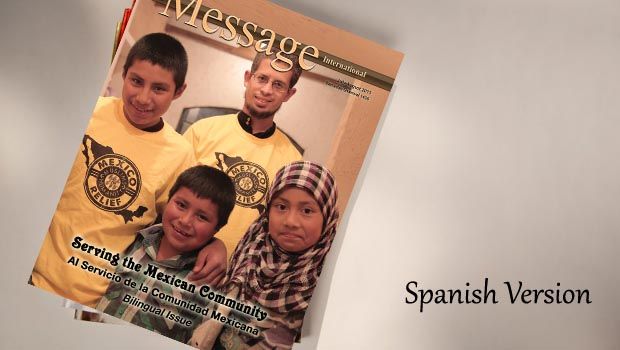
    Serving the Mexican Community

    It was only four years ago that the first story about WhyIslam in Mexico was written, but many exciting events have transpired since then. The Mexican campaign began with a desire to deliver Islamic attire and literature to a growing community in Mexico City, Al Hikmah Center. Seven organizations joined forces to contribute to the cause, donating everything from Islamic CDs to siwaks. During her vacation, Nahela Morales, a Mexican convert, distributed the items to the Islamic community in June of 2012. The trip was so successful that it became an annual effort and each year expanded to cover more than five cities within the country.

    Interest really took off when well-known lecturers and personalities such as Nouman Ali Khan, Omar Suleiman, and Boonaa Mohammed endorsed the projects in Mexico. In 2013, Nouman Ali Khan even traveled to the Mexican state of Chiapas, to the Islamic village in San Cristobal de las Casas, as part of the second annual dawah trip to Mexico. He was so moved by the poor living conditions of the indigenous Muslim families that he filmed a video tour of a typical home, a humble structure with walls made of planks and plastic covering to keep out the rain, a tin rooftop, and a dirt floor. The video was released on WhyIslam’s YouTube channel and has over 215,000 views.

    The goal for that year was to begin plans to renovate the town’s masjid Al Kauthar. Through the use of social media and fundraising campaigns, Morales was able to gather over $30,000 for Islamic material and food for distribution during Ramadan, and the masjid renovation project. However, future goals were to offer continuous support to needy families in this sector and to provide home renovations and reconstructions. This sparked plans to launch Mexico Relief Project by Helping Hand for Relief and Development.

    In 2014 Boonaa Mohammed traveled with HHRD and film crews to Mexico to produce documentaries that bring the necessary attention to this cause.

    The Prophet Muhammad, peace be upon him, once advised Aisha when she desired to offer a gift to a neighbor, that she should give, “to the one whose door is nearer to you.” The idea of helping our brothers and sisters in Mexico is one that stems from neighborliness, in the sense that Mexico is one of only two countries which share a border with the US. It is also the largest Latin American country with the smallest Muslim population; however, the Muslims are growing in number and need assistance. Alhamdulillah, we have been blessed with the ability to aid our brethren so we ask for your continued support and prayers.

    We hope that you will enjoy reading some stories and informative articles from our Mexican and Spanish-speaking brothers and sisters, and that you will also remember them in your prayers. JazakumAllahu khaiyran.

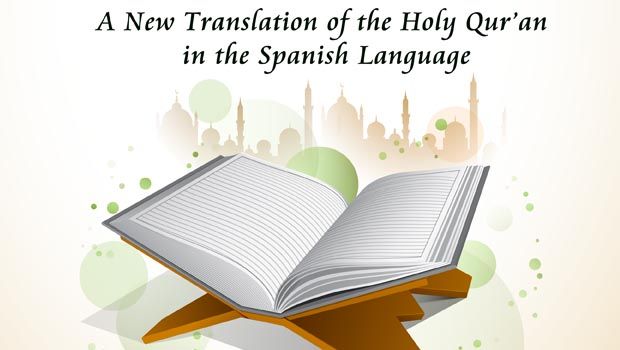
  • Una Nueva Traduccion del Sagrado Coran al Idioma Espanol

    Una Nueva Traduccion del Sagrado Coran al Idioma Espanol

    Se despertó en mí el interés de hacer una traducción del Sagrado Corán que se preocupara me-nos por parecer árabe o por intentar imitar la calidad literaria del texto original, y estuviera pen-sada más en transmitir de forma correcta y directa todos aquellos significados, profundos y espi-rituales, pero también de un gran orden social, que había comprendido al leerlo y estudiarlo en su idioma original.

    –Isa García

    Un poco de historia

    Cuando acepté el Islam y lo asumí como forma de vida, estaba sediento de saber, quería conocer lo mejor posible la fuente primera del conocimiento, la revelación divina: el Sagrado Corán. Sabía desde el principio que el Corán fue revelado en árabe, y que este texto es original: ha sido pre-servado y mantenido intacto a lo largo de más de 14 siglos. Pero al no saber árabe, tuve que re-mitirme a diferentes traducciones que se han hecho al español.

    Lo que encontré llegó en ocasiones a decepcionarme, pues el texto aparecía muchas veces con-fuso o incongruente.

    Comprendí que esto se debía, principalmente, a dos factores. El primero, que muchas traduccio-nes han sido elaboradas por personas que no tenían el suficiente conocimiento del Islam, su mensaje y su historia, y que por ello confundían conceptos o incluso, en algunos casos de forma premeditada, trastocaban los sentidos para desacreditar al Islam y su libro sagrado.

    El segundo, que en su mayoría las traducciones son demasiado literalistas, imitan el estilo árabe en la traducción, no solamente en la expresión del significado sino en el orden mismo de las pa-labras, de modo que no se apegan a la gramática del español y por ello resultan confusas. A esto debe agregársele que algunas de las traducciones al español utilizan un lenguaje antiguo y lejano al que solemos utilizar en el continente americano, y que a la vez carecen en su mayoría de notas aclarativas sobre el contexto histórico o las implicaciones legales.

    Más tarde, cuando tuve la oportunidad de estudiar el idioma árabe y acceder a los significados del Sagrado Corán en su idioma original, comprendí que en la traducción me había perdido de mucho. Si bien es cierto que ninguna traducción podrá jamás acercarse a la belleza narrativa, poética y retórica del Corán, ni reproducir a la vez su sonoridad y las múltiples formas en que puede ser recitado, también es cierto que las traducciones, unas más que otras, fallan en trans-mitirle al lector la verdadera esencia del mensaje coránico.

    Esto despertó en mí el interés de hacer una traducción del Sagrado Corán que se preocupara menos por parecer árabe o por intentar imitar la calidad literaria del texto original, y estuviera pensada más en transmitir de forma correcta y directa todos aquellos significados, profundos y espirituales, pero también de un gran orden social, que había comprendido al leerlo y estudiarlo en su idioma original.

    Gracias a Dios pude por fin embarcarme en una traducción del Sagrado Corán pensada para la población hispanoparlante del mundo, pero principalmente para el público latinoamericano. Jun-to con un equipo de colaboradores expertos, he procurado poner al alcance de musulmanes y de no musulmanes, el mensaje del Islam de la forma más cercana posible a la revelación original en idioma árabe, pero utilizando a la vez un lenguaje sencillo y explicaciones claras de los términos, de manera que el contenido del texto resulte fácil de comprender.

    Antecedentes

    Si bien el Islam no es hoy día una de las religiones con mayor número de fieles en América Latina, se está expandiendo rápidamente por todo el continente. Ya existen mezquitas en todas las ca-pitales y ciudades importantes de Hispanoamérica y también está creciendo mucho entre la po-blación latina de Estados Unidos.

    Teniendo en cuenta la mala imagen que proyectan los medios de comunicación del Islam y de los musulmanes, contar con una traducción del Corán al idioma español que transmita de forma di-recta y sencilla el verdadero mensaje del Islam, cada vez se hace más importante y urgente por dos razones:

    Primera, porque los musulmanes que no conocen el idioma árabe necesitan leer los significados del Corán en su idioma para comprender y practicar mejor su religión, y así ser buen ejemplo de lo que es realmente un musulmán.

    Segunda, porque los no musulmanes que desean conocer el Islam necesitan tener una fuente confiable de información, que les permita formarse una opinión basada en lo que enseña real-mente el Corán, y no en estereotipos y concepciones erróneas que han permanecido durante siglos en muchas obras de orientalistas y en algunas de las traducciones del Corán.

    De ahí que el objetivo de esta traducción es presentar a los hispanoparlantes el verdadero men-saje del Corán, tal como ha sido conocido, entendido y practicado por los eruditos del Islam y por los musulmanes devotos durante más de 1.400 años, para ello se basa en un lenguaje claro, sen-cillo, directo y actual, pensando en el público latinoamericano.

    Distribución de copias impresas y versión digital

    El objetivo de esta traducción es su distribución gratuita para que de esta manera llegue al máxi-mo público posible.

    Para conseguir este objetivo se ha distribuido una versión digital en formato PDF, se ha agregado a distintas aplicaciones con múltiples traducciones y en breve saldrá una aplicación propia para lectura y audio.

    También se han hecho múltiples impresiones para su distribución gratuita. La primera de ellas fue de 50.000 copias de tamaño bolsillo para distribuir durante la Copa Mundial de Futbol en Brasil 2014.

    También se imprimieron 100.000 copias en Qatar para distribuir a nivel mundial, y en América La-tina se han hecho pequeñas impresiones en países como Bolivia, Colombia, Guatemala y México. En España ha comenzado un proyecto de distribución para el que ya han impreso 10.000 copias.

    Creo que es necesario que los musulmanes se unan y colaboren en la impresión de esta traduc-ción con el objetivo de acercar el mensaje del Islam a los musulmanes y no musulmanes.

    Sobre el traductor

    Isa García nació en Argentina, es licenciado en Lengua Árabe y en Teología Islámica de la Univer-sidad de Umm Al-Qura de la ciudad de La Meca en Arabia Saudí, especializado en la misma en los “Orígenes de las tradiciones Proféticas”. Cursó estudios en mediación y resolución de conflictos en Estados Unidos. Ha sido director del departamento de español en las editoriales International Islamic Publishing House y Darussalam, y de diferentes páginas web islámicas. Permanentemen-te dicta conferencias en diferentes países de América Latina y Europa, y en Estados Unidos. Ha trabajado como traductor del árabe y del inglés al español durante los últimos 15 años, y es tam-bién autor de obras sobre teología islámica y distintos temas sociales que afectan a la comunidad islámica. Fue nombrado por la revista The Muslim 500 como uno de los musulmanes más influ-yentes del mundo en los años 2013 y 2014.

  • Una Mision de Amor

    Una Mision de Amor

    A medida que inicié mi viaje más importante de Dawah a México, me puse a reflexionar y pensar en mis últimas tres misiones de divulgación. “¿Por qué era este el más importante?”, Me pregunté a mí misma, siendo que estaba viajando con menos equipaje y sola. Sin embargo, la respuesta era que iba para llamar a mi abuelita al Islam, mientras se encontraba en su lecho de muerte, y no sería algo fácil. Ver a mi familia angustiada y sentimental sería difícil, también. Hice este viaje en exclusiva para ella, para mi abuelita. Ella pidió verme y yo tomé esta solicitud como mi última oportunidad para transmitir el mensaje del Islam a ella. Mientras estaba volando sobre el Golfo de México le supliqué al Todopoderoso que abriera su corazón e hiciera que sus últimas palabras sean las mejores palabras, las palabras de Tauhid.

    Ha sido bastante tiempo desde que soy musulmana y he pasado por varias pruebas pero esta era la primera vez que Alá me estaba probando con la muerte. La muerte siempre parece estar tan lejos hasta que lo estás presenciando realmente. Para una conversa, la muerte es aún más aterradora y una de nuestras peores pesadillas. La idea de perder a un familiar me recuerda a nuestro amado Profeta Muhammad, la paz sea con él, cuando intentó llamar a su tío, Abu Talib, al Islam sin éxito.

    Hoy estoy experimentando esto con la posibilidad de perder a mi abuela quien me acogió desde los 3 meses hasta los 5 años. Durante visitas previas, nos habíamos sentado a conversar pero debido a su edad, siempre terminaba la conversación para evitar molestarla. He suplicado muchísimo, pidiéndole a mi Creador que me ayude con las mejores palabras para decirle. Como dije anteriormente, este viaje era diferente porque no llevaba 10, 11, o 12 maletas llenas de donaciones para los musulmanes de México, ni iba con un grupo de voluntarios. En el pasado, visitaba a mi familia por algunos días antes de visitar a las comunidades musulmanas para proporcionarles materiales islámicos, para dar una lectura o para ayudar a restaurar una mezquita. Sin embargo, me sentí más bendecida en poder compartir una conversación privada con este ser tan maravilloso quien me cuidó incondicionalmente.

    Al llegar, rompí en llanto viéndola tan débil, delgada y con oxígeno; como mínimo fue devastador. Una tía me aconsejó que saliera y me lavara la cara porque mi abuelita me necesitaba fuerte y no llorando. Cuando regresé al cuarto me fije en una pintura de la Virgen de Guadalupe, una imagen de María, la madre de Jesús, que es venerada e incluso adorada en México, y claro, me incomodó un poco porque la consideraba un obstáculo para mi misión.

    Mi abuela se despertó y al ver que yo estaba allí, ella sonrió y me pidió que me acercara. La abracé como siempre, apretándola con todas mis fuerzas. Ella gritó y dijo: “¡Tú me vas a romper!” Nos reímos y nos contemplamos la una a la otra. Yo le dije que la amaba y que todo iba a estar bien. Ella preguntó por mi hijo y le dije que estaba bien y en la escuela. Le dije, “Estoy aquí para ti, para cuidarte sin interrupciones, sólo tú y yo”.

    Mi visita fue corta pero pareció larga debido a los momentos agradables que pasamos juntas. Yo tuve la oportunidad de darle de comer, bañarle y durante todo tuvimos varias conversaciones acerca de la unicidad de Dios. Una hermana de la comunidad de la Ciudad de México llamada Nabíla se unió a mí para ofrecer su apoyo, el mejor regalo que Dios me envió, mashaAllah. Con su ayuda, pudimos hablar con ella y el resto de mi familia sobre el Islam. También durante su visita dimos Shahada a una joven local que se encontró con ella en el autobús de camino a verme. Al tercer día de mi visita, mientras la hermana Nabíla y yo salimos, el retrato de la Virgen de Guadalupe había sido retirado de la pared.

    La última noche que pasé al lado de mi abuelita le pregunté si creía en Dios como el Todopoderoso y el único Creador y ella me respondió que sí. Le pregunté: “¿Quién es Jesús?” Ella respondió: “Un mensajero de Dios”. Le pregunté si ella cree que él es el hijo de Dios, a lo que ella respondió que no. Trate de introducir la segunda parte del testimonio de la fe, pero ella se sintió abrumada. Me pidió que dejara las cosas así, ya que nunca había oído hablar del Profeta Muhammad, la paz sea con él. Al regresar a los Estados Unidos le comenté al imam local del incidente y él me informó que debido a su edad avanzada (104 años) y condición, fue suficiente, y Alá sabe mejor.

    Hoy me siento aquí muy agradecida por la oportunidad de completar esta misión y la oportunidad de ver a mi abuela por diferentes motivos. Fue maravilloso pasar tiempo con ella a pesar de que extrañe mucho a mi hijo, ya que nunca había estado lejos de él. Tampoco había visto a toda mi familia tan unida y dispuesta a escuchar lo que tenía que decir. Todos hicieron muchas preguntas y, por primera vez, después de todos estos años, sentí su aceptación y amor. Le pido a Dios que guíe nuestras familias, que nos dé la sabiduría para transmitir el hermoso mensaje del Islam, que los colme con la misma dulzura que hemos sido bendecidos y que nos permita vernos tanto en esta vida como la siguiente. Amen.

  • A Mission of Love

    A Mission of Love

    As I embarked on my most important dawah trip to Mexico, I began to reflect and think of my past three outreach missions. “Why was this the most important?” I asked myself, “I am traveling with the least amount of luggage and alone.” The answer was that I was going in order to call my elderly grandmother to Islam, while she lay on her deathbed, and it would not be easy. Seeing my family in distress and emotional would be hard, as well. I booked this trip exclusively for her, my “Abuelita,” my grandma. She requested to see me, and I took this request as my last opportunity to convey the message of Islam to her. As I was flying over the Gulf a Mexico I prayed for the Almighty to open her heart and make her last words be the best words, words of tawheed.

    It’s been quite some time since I became Muslim and I have been tested in various ways but this was the first time Allah was testing me with death. Death always seems so distant until you are actually experiencing it. As a convert, death is even more frightening, and one of our biggest challenges is losing a family member who does not embrace Islam. I am reminded of our beloved Prophet, peace be upon him, when he called his uncle, Abu Talib, to Islam, but to no avail.

    Today I am experiencing this with the possibility of losing my grandmother who took care of me from the tender age of 3 months until I was almost 5 years old. In previous visits we sat and had several conversations but due to her age I have always dropped the conversation to avoid upsetting her. I have made tons of du’a and asked my Creator to help me with the best words to say to her. Again, this trip was different because I was not carrying 10, 11, or 12 pieces of luggage full of donations for the Muslims in Mexico, nor did I have a group of volunteers. In the past I would come to visit my family a couple of days at a time before visiting Muslim communities to either provide them with Islamic material, give a talk, or help restore/rebuild a masjid. However, I feel more blessed to be able to have a one-on-one conversation with this wonderful woman who unconditionally cared for me.

    Upon my arrival, I broke down so see her so weak, thin and with oxygen; it was devastating to say the least. I was advised by an aunt to step out, wash my face, and come back. She told me that she needed me to be strong and not crying, so I did just that. When I came back to the room I noticed a huge poster of the virgin of Guadalupe, a depiction of Mary, the mother of Jesus, that is revered and even worshipped in Mexico, and of course, I was a bit bothered by it because I saw it as an obstacle to my mission.

    My grandmother woke up and when she saw that I was there, she smiled and asked me to come close. I hugged her as always, so tight and with all my might. She yelled and said, “You are going to break me!” We both laughed and gazed at each other. I told her I love her and that everything was going to be okay. She asked about my son and I told her he was fine and at school. I told her, “I am here for you, to care for you without interruptions, just me and you.”

    My visit was short but seemed long because of the quality time we spent together. I got a chance to feed her, bathe her and throughout all that we had several conversations about the oneness of God. A sister from the Mexico City community named Nabila joined me to offer her support, the best gift Allah sent my way, mashaAllah. With her help, we were able to speak to her and the rest of my family about Islam. Also during her visit we gave Shahada to a local young girl whom she ran into on the bus on her way to see me. By the third day of my stay, while Sister Nabila and I had stepped out, the poster of the virgin of Guadalupe had been removed from the wall.

    The last night I spent by my grandmother’s side I asked her if she believed in God as the Almighty and sole Creator and she said yes. I asked her, “Who is Jesus?” She replied, “A messenger of God.” I asked if she believed he is the son of God, to which she replied no. We tried covering the second part of the testimony of faith but she was overwhelmed. She asked me to leave it at that, since she had never heard of the Prophet Muhammad, peace be upon him. Upon returning to the States I asked the local imam about the incident and he informed me that due to her advanced age (104) and condition, it was enough and Allah knows best.

    Today I sit here so grateful for the opportunity to complete this mission and the opportunity to see my grandmother on different grounds. It was wonderful to spend quality time with her even though I missed my son so much, as I had never been apart from him. I had also never seen my entire family so united and willing to hear what I had to say. Everyone asked tons of questions and for once, after all these years, I felt their acceptance and love. I ask Allah to guide our families, to give us the wisdom to convey the beautiful message of Islam, to shower them with the sweetness we have been blessed with, and to allow us to see one another both in this life and the next. Ameen.


  • Combating Domestic Violence as a Muslim Woman

    Combating Domestic Violence as a Muslim Woman

    Violence against women is a matter that should concern us all, yet it seems only a few people are concerned. Throughout the world, one in three women is beaten or suffers some type of abuse in her lifetime. According to data from the World Health Organization, 70 percent of women who are killed, die at the hands of their partner or ex-partner.

    Violence against women is present in all societies in the world regardless of political or economic system, regardless of social status of perpetrator or victim, level of education, ethnicity, financial situation, culture, or religion. This everyday reality is manifested many different ways and it takes place in a number of settings; and my own country, Mexico, is of course no exception. In Mexico, violence against women is a social problem that hides itself within the home. Many female victims of domestic violence live with their enemy in the same house and are exposed to danger day to day.

    I am a psychologist working for an institution that provides psychological support to women who have been victims of family violence. Every day I hear stories of how their husbands beat them, threaten them, are unfaithful to them, insult them, and sadly some women have also died while making an attempt tto escape the violence. This is a hidden reality many choose not to talk about. My work is a positive challenge in my life, alhamdulilah; it is what I love doing. I feel very blessed for having the opportunity to be able to listen to women who put in my hands their hope of coming out of a problem that affects their lives and the lives of their children.

    I am Muslim, Mexican and defend women’s rights. This probably comes as a surprise to many of the women who come into my office; some of them even think it is contradictory. “Are you telling me that it is not?” A woman once asked me, “How can a woman who covers her head out of submission (she said referring to my hijab), tell me how I can escape the violence I am dealing with, when she herself cannot escape her own submission?” I smiled smiled and answered her with confidence. My hijab is my best tool for giving dawah.

    In fact, it was my inconformity and sense of injustice regarding violence against women that brought me closer to Islam. I also had a wrong idea about the situation of Muslim women, which I see now reflected in the faces of many of my patients when they see me for the first time; many express their surprise, and others – even if they don’t say anything – have a look of astonishment or shock on their faces.

    I could say that I do see my old self mirrored in some of them; who I was when I first met Muslim women smiling and happy, when they talked to me about the value of women in Islam, when I read about the rights of women in Islam. I used to ask myself, “Is this possible?” trying to understand. And this is why I do enjoy so much explaining to them why I am a Muslim, with my own words and with my behavior.

    Islam came to complement my life and it has helped better understand the work I do. It helped me understand my own value as a woman. Men mistreat women because of ignorance and failure to properly understand power dynamics. Muslims, men and women, must work together to combat domestic violence.